
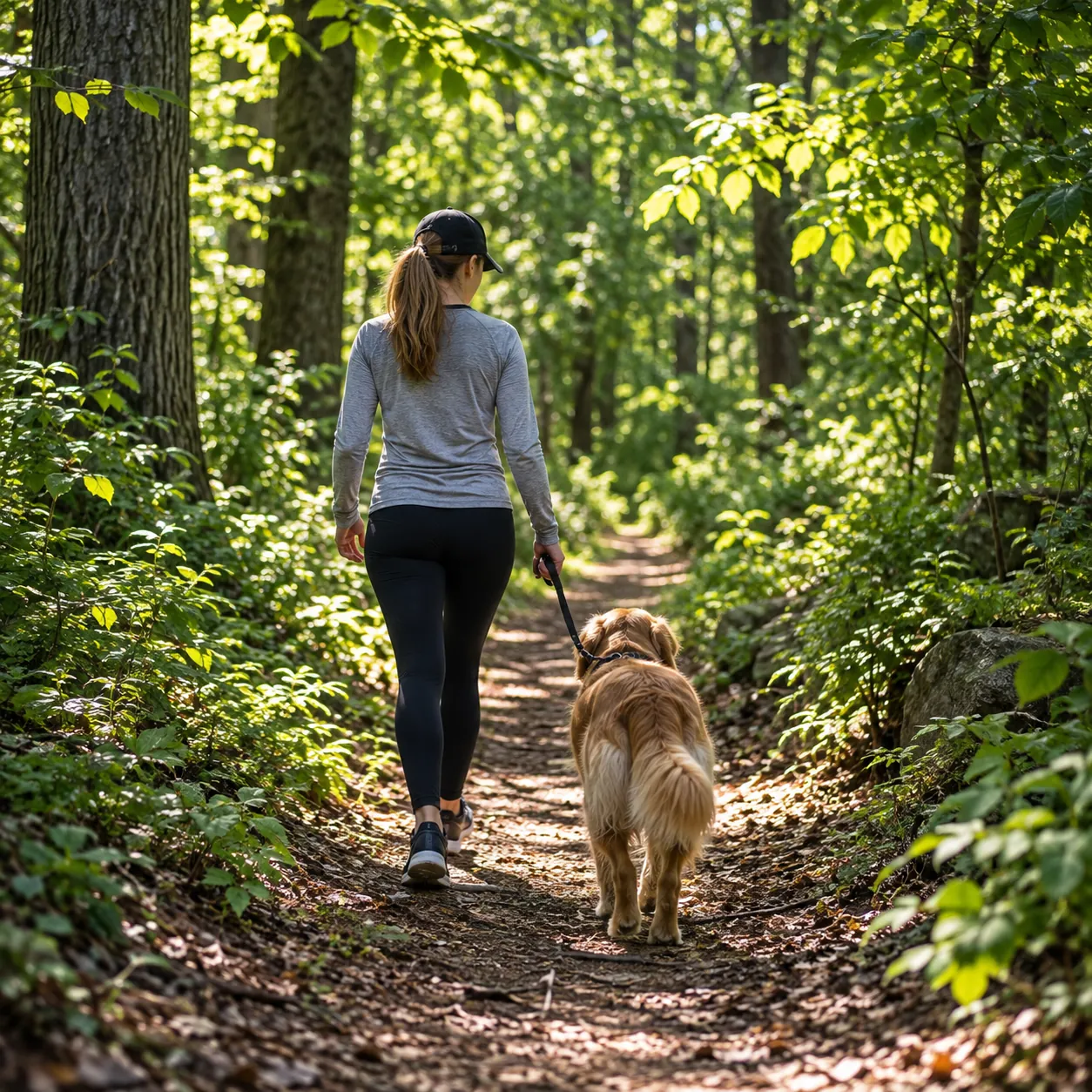
Disease & Insects
Flea & Tick Control for Your Yard in New Jersey
Where ticks and fleas actually live in a New Jersey yard, which ticks to watch for, and the landscaping habits and treatment timing that make your property less friendly to them.
GreenStripe Lawn Advice
Reviewed by the GreenStripe Turf Team
Last updated:
On This Page
The Short Answer
Ticks and Fleas Live at the Edges, Not the Open Lawn.
Most ticks in a New Jersey yard are found where the lawn meets woods, tall grass, leaf litter and shaded beds. Fleas favor similar shady, moist spots where pets and wildlife rest. The most effective approach combines yard habits that remove that habitat with targeted treatments of those edge zones, timed to the seasons when ticks are most active, plus personal and pet protection.
Treat the habitat, not just the pest.
A sunny, open, well-mowed lawn is a poor home for ticks. Shrinking shady cover does a lot of the work.
Know the Zones
Wooded edges, leaf litter, shade.
Change the Yard
Mow, clear leaves, open up cover.
Time Treatments
Spring through fall, focused on edges.
Protect People & Pets
Checks, repellents, vet-advised care.
Where Ticks and Fleas Hide in Your Yard
Ticks need humidity to survive. They avoid hot, dry, open lawn and stay where it's shaded and moist.
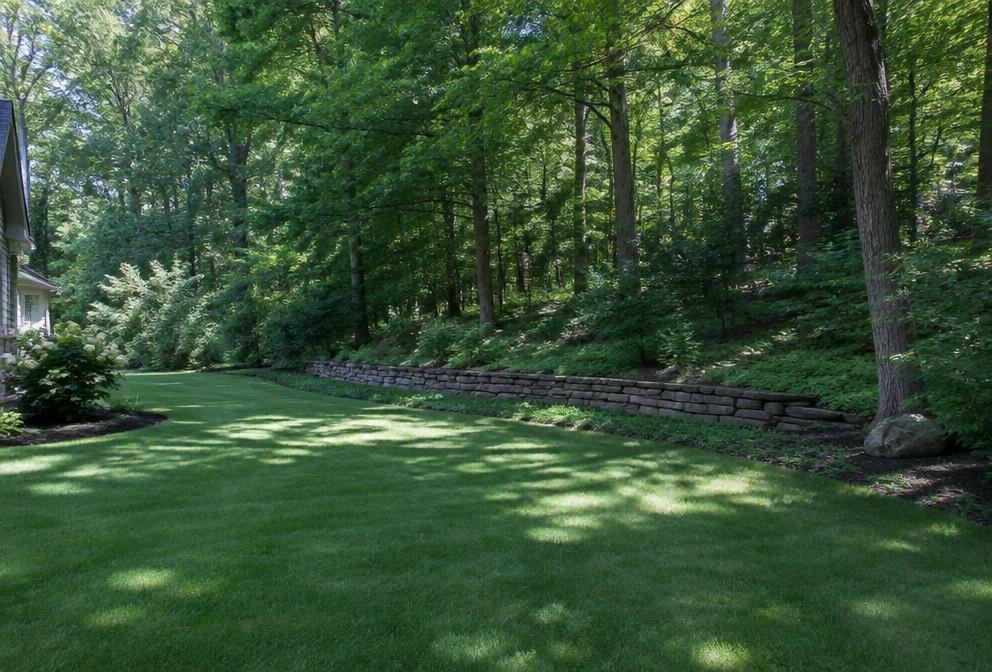
Wooded Edges
Highest risk
Forest edges and tree lines provide ideal habitat.
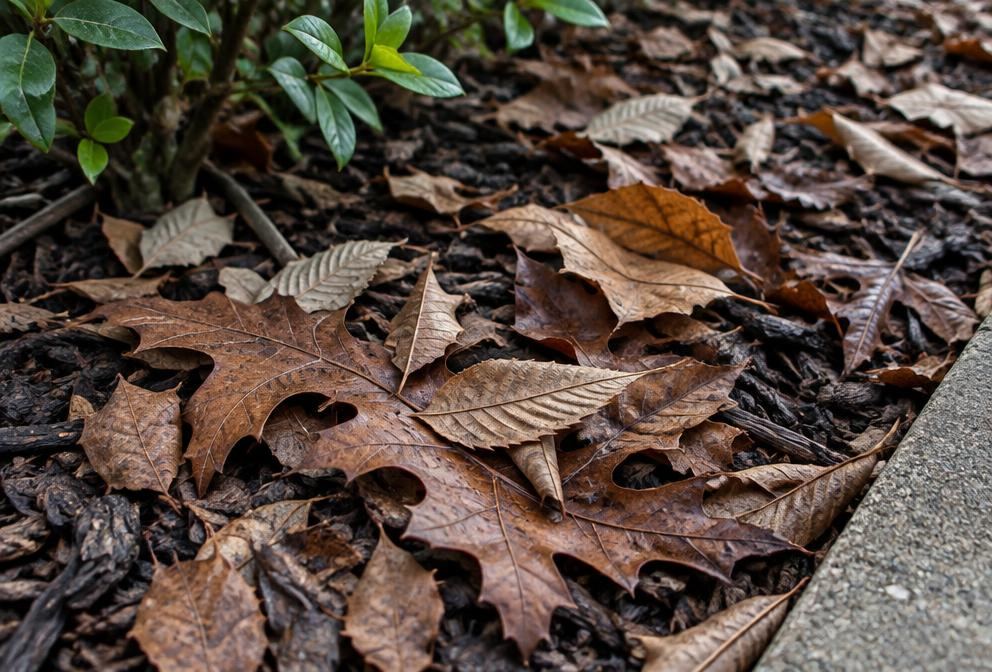
Leaf Litter
Shelter
Fallen leaves hold moisture and create a protected environment for ticks.
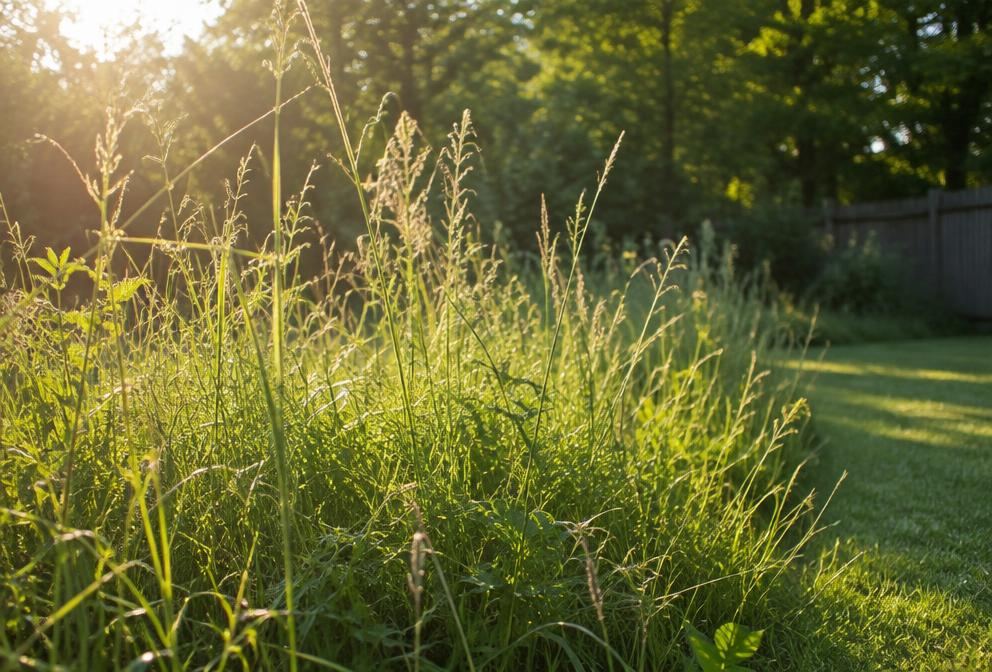
Tall Grass
Questing spots
Ticks climb tall grass and ground cover to wait for a host.
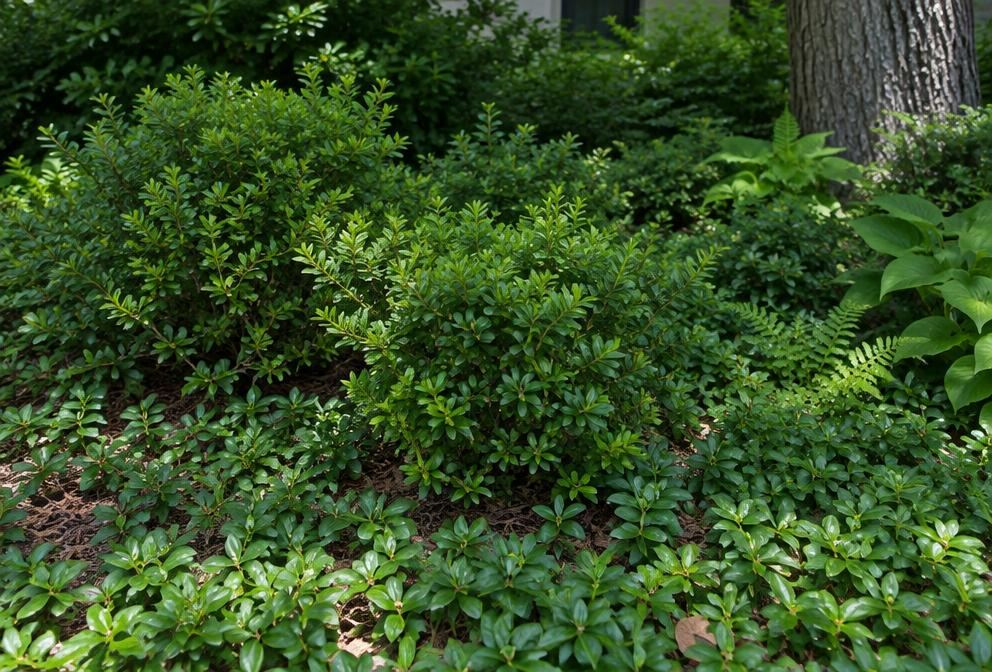
Dense Shrubs
Cover
Low vegetation gives ticks, and the wildlife that carry them, a place to rest.
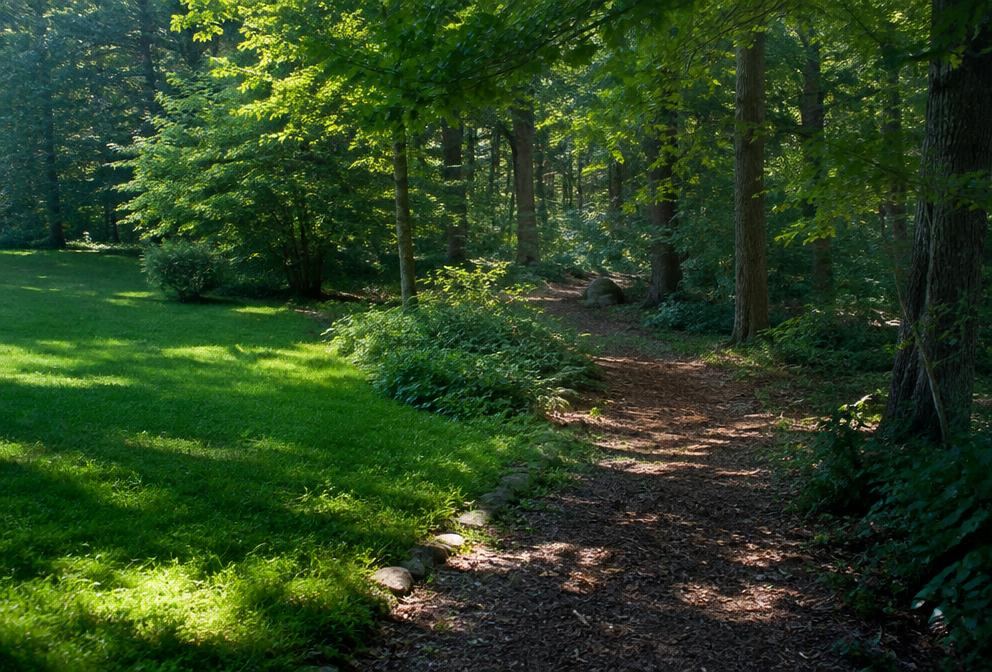
Shaded Transitions
Moisture
Moist, shaded areas help ticks survive and stay active longer.
Common Ticks in New Jersey
Blacklegged (Deer) Tick
Small and dark. Known in New Jersey for transmitting Lyme disease and other pathogens. Nymphs, about the size of a poppy seed, are most active in late spring and early summer.
Lone Star Tick
Adult females have a single white dot on the back. An aggressive, human-biting species with expanding populations in our region.
American Dog Tick
Larger, with a mottled pattern. Found statewide and commonly associated with grassy fields and edge habitat.
What About Fleas?
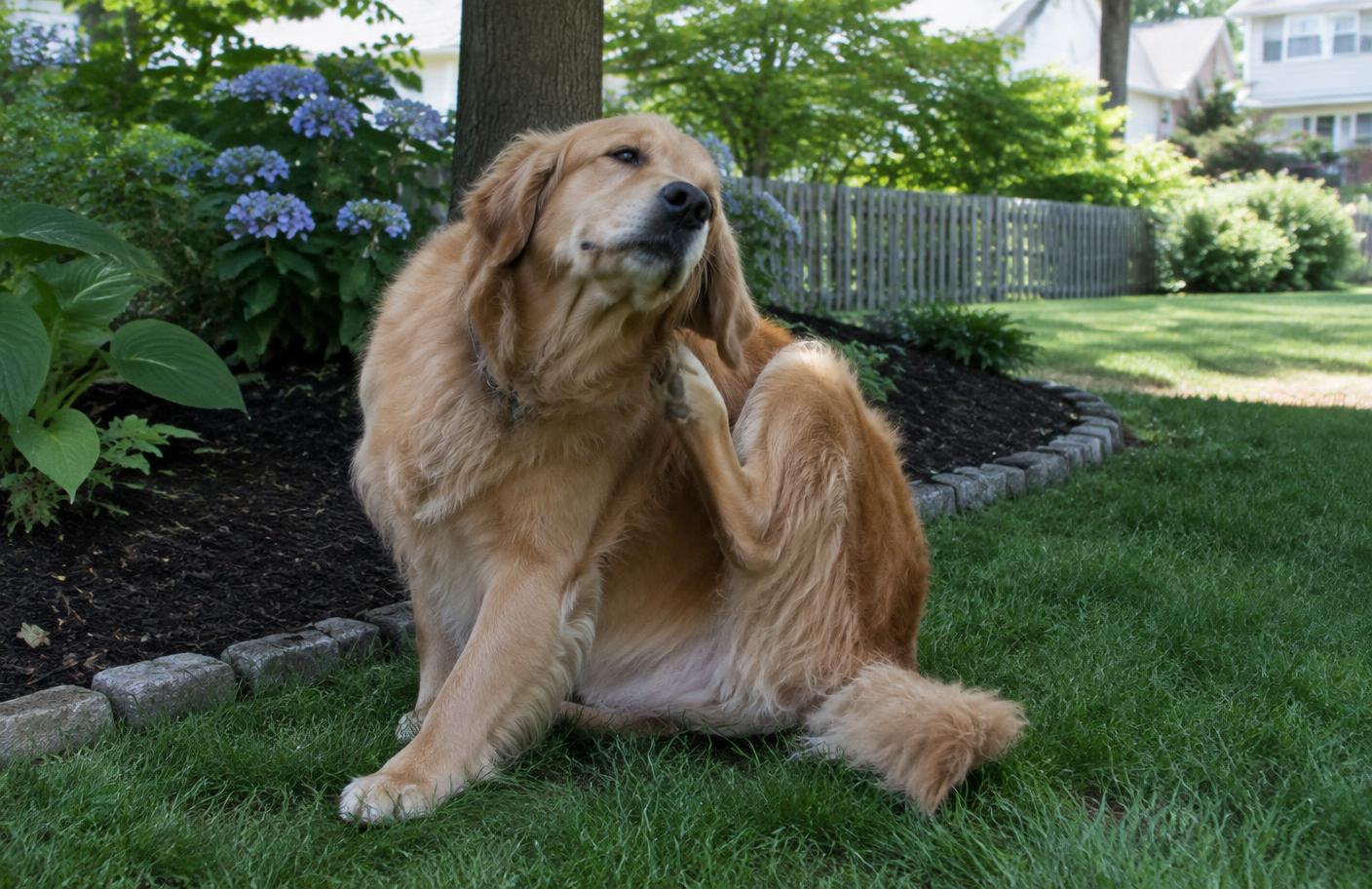
Fleas spend most of their lives on a host or in the places hosts rest: under decks, porches and shrubs, in shaded beds and along fence lines. Wildlife such as raccoons, squirrels and feral cats can bring them into the yard. Outdoors, fleas struggle in hot, sunny, dry areas, so the same habitat changes that discourage ticks help with fleas, too.
Yard care alone won't solve a flea problem on a pet or inside the house. Talk to your veterinarian about pet protection and treat indoor bedding and carpets at the same time.
Landscaping Habits That Reduce Ticks and Fleas
- 1.
Mow Regularly
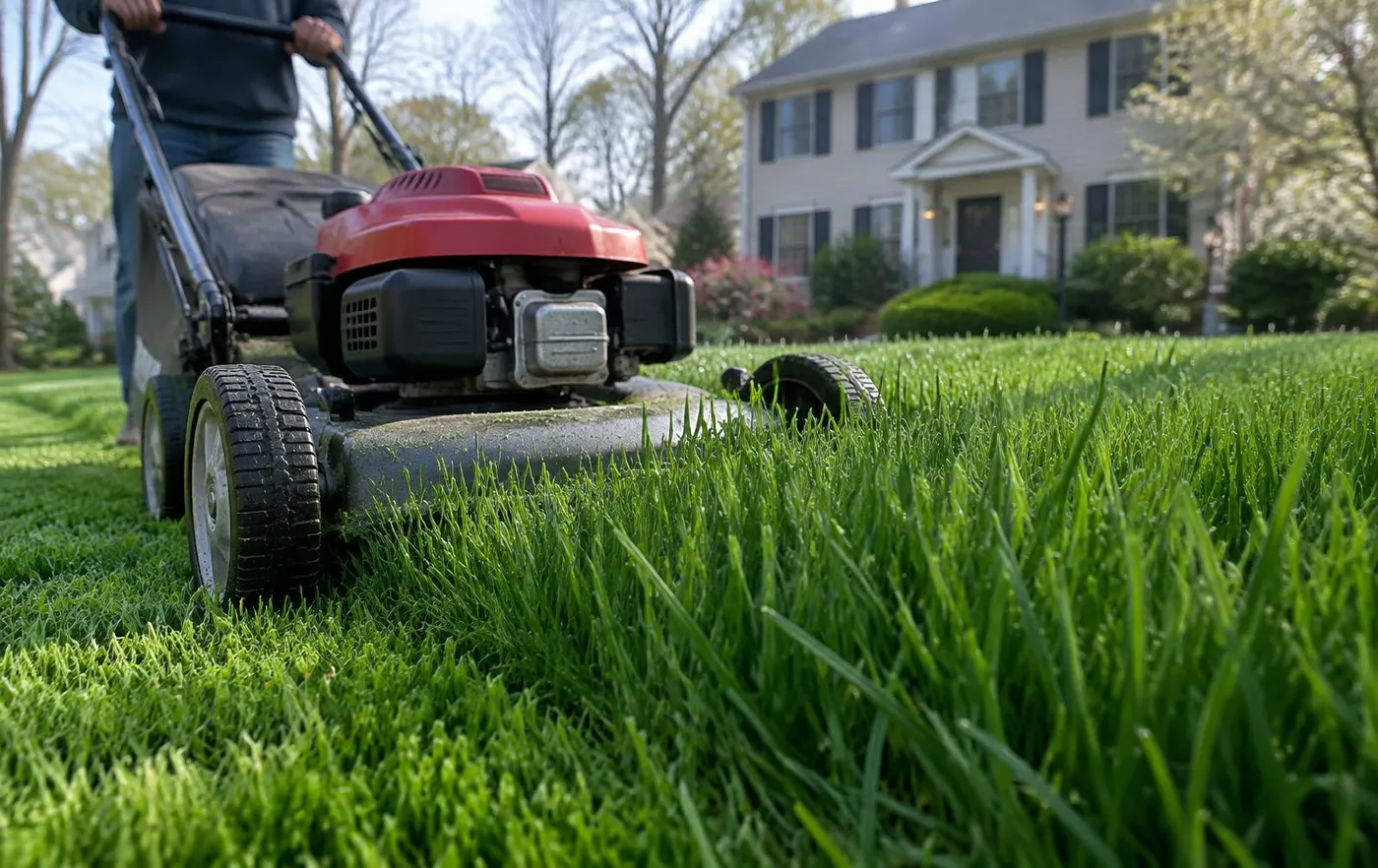
Keep lawn and edges mowed so ticks have fewer tall blades to climb. See our mowing height guide.
- 2.
Clear Leaf Litter
Remove leaves from lawn edges, beds and under shrubs, especially in spring and fall.
- 3.
Create a Dry Border
A 3-foot strip of wood chips or gravel between lawn and woods helps keep ticks out of play areas.
- 4.
Open Up Cover
Prune low shrubs and thin dense ground cover to let in sun and air.
- 5.
Move Play Areas
Keep swing sets, patios and seating in sunny spots away from wooded edges.
- 6.
Discourage Wildlife
Secure trash, remove bird-feeder spillage and stack firewood neatly off the ground, away from the house.
When Ticks Are Most Active in New Jersey
Ticks can be active any time temperatures rise above freezing, but risk follows a seasonal pattern.
March–May
Early Season
Adults become active as it warms. Start yard cleanup and begin protection early.
May–July
Peak Nymph Season
Tiny nymphs are hardest to see and responsible for many Lyme disease cases. Keep protection in place.
July–August
Summer
Maintain protection through the heat of summer, especially along shaded edges.
October–November
Fall Adults
Adult blacklegged ticks become active again in cool weather. Keep clearing leaves.
Protecting Your Family and Pets
Yard work lowers risk; it doesn't eliminate it. Do tick checks after time outdoors, especially behind knees, at the waistline, under arms, in the hair and behind ears. Shower soon after coming inside and dry clothes on high heat to kill ticks you may have missed. Use an EPA-registered repellent according to its label, and ask your veterinarian about tick and flea prevention for your pets.
Related Services
Local Lawn Care in Northern New Jersey
Keep Learning
Flea & Tick Questions
How do I get rid of ticks in my yard?
Combine habitat changes (regular mowing, clearing leaf litter, opening up shady cover and creating a dry border along woods) with targeted treatments of edge zones during the active season, plus regular tick checks.
Where do ticks live in a yard?
Mostly along wooded edges, in leaf litter, tall grass, dense shrubs and shaded, moist transition zones. Sunny, open, mowed lawn holds far fewer ticks.
When is tick season in New Jersey?
Ticks can be active whenever temperatures are above freezing. Risk is highest from spring through early summer, when nymphs are active, with another rise in fall for adult blacklegged ticks.
Do yard treatments help with fleas?
They can reduce fleas in shaded outdoor resting areas, but most flea problems also need veterinarian-advised pet treatment and indoor cleaning.
What ticks are common in New Jersey?
The blacklegged (deer) tick, lone star tick and American dog tick are the most commonly encountered species.
Does mowing reduce ticks?
Yes. Ticks prefer tall grass and humid cover. Regularly mowed, sunny lawn is a poor habitat for them.
How can I make my yard less attractive to ticks?
Clear leaves, prune low shrubs, keep play areas in the sun away from woods, add a wood-chip or gravel border along wooded edges and discourage deer and rodents.
Are tick yard treatments safe for kids and pets?
Any treatment should be applied according to its label directions. Professional applicators follow re-entry guidance, typically keeping people and pets off treated areas until they've dried.
Sources & further reading
- Rutgers NJAES — Ticks in New Jersey
- New Jersey Department of Health — Tick-Borne Diseases
- CDC — Preventing Ticks in the Yard