
Disease & Insects
Lawn Fungus: How to Identify, Treat and Prevent Lawn Disease
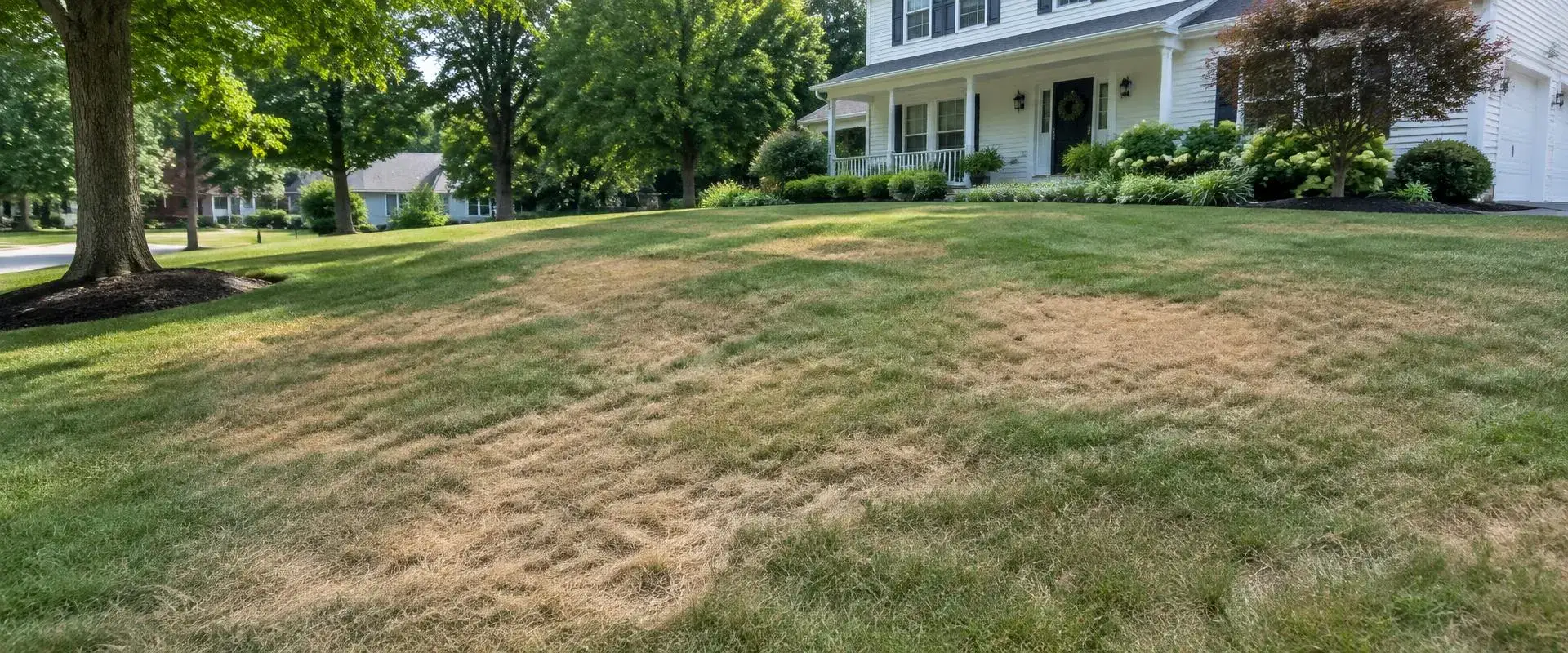
Brown rings, tan spots, pink threads or matted patches after snow melt are often lawn fungus. Here's how to recognize the most common lawn diseases in New Jersey, what actually causes them, when fungicide treatment makes sense and how to keep them from coming back.
GreenStripe Lawn Advice
Reviewed by the GreenStripe Turf Team
Last updated:
On This Page
The Short Answer
Lawn Fungus Needs the Right Grass, the Right Weather and an Opening.
Most lawn diseases are caused by fungi that are already present in the soil and thatch. They only become a problem when weather and lawn conditions line up: long periods of leaf wetness, heat and humidity, too much or too little nitrogen, compacted soil or mowing that stresses the grass. Identifying the specific disease matters, because treatment and prevention differ. Fungicides can protect a lawn during high-risk periods, but lasting control comes from changing the conditions that let the disease take hold.
Identify it before you treat it.
Drought, grubs, dog spots and dull mower blades can all look like fungus. A wrong diagnosis wastes money and time.
The Grass
Some grass types are more susceptible to certain diseases.
The Weather
Humidity, warm nights and long leaf wetness drive outbreaks.
The Fungus
Spores and resting structures are already in most lawns.
The Opening
Stress, poor drainage or poor fertility tip the balance.
What Is Lawn Fungus?
"Lawn fungus" is the everyday term for turfgrass diseases caused by fungi and fungus-like organisms. They infect leaf blades, crowns or roots and show up as spots, rings, patches or discoloration. Almost every lawn carries these organisms all the time. Disease appears when conditions favor the fungus more than the grass.
In Northern New Jersey, most home lawns are tall fescue, Kentucky bluegrass and perennial ryegrass. Each has its own weak points, and our hot, humid summers and wet springs create long windows for disease. That's why the same lawn can look perfect in May and develop brown rings in July.
Common Lawn Diseases in New Jersey
Match what you see to the closest description. Many lawns have more than one disease at a time.
Brown Patch
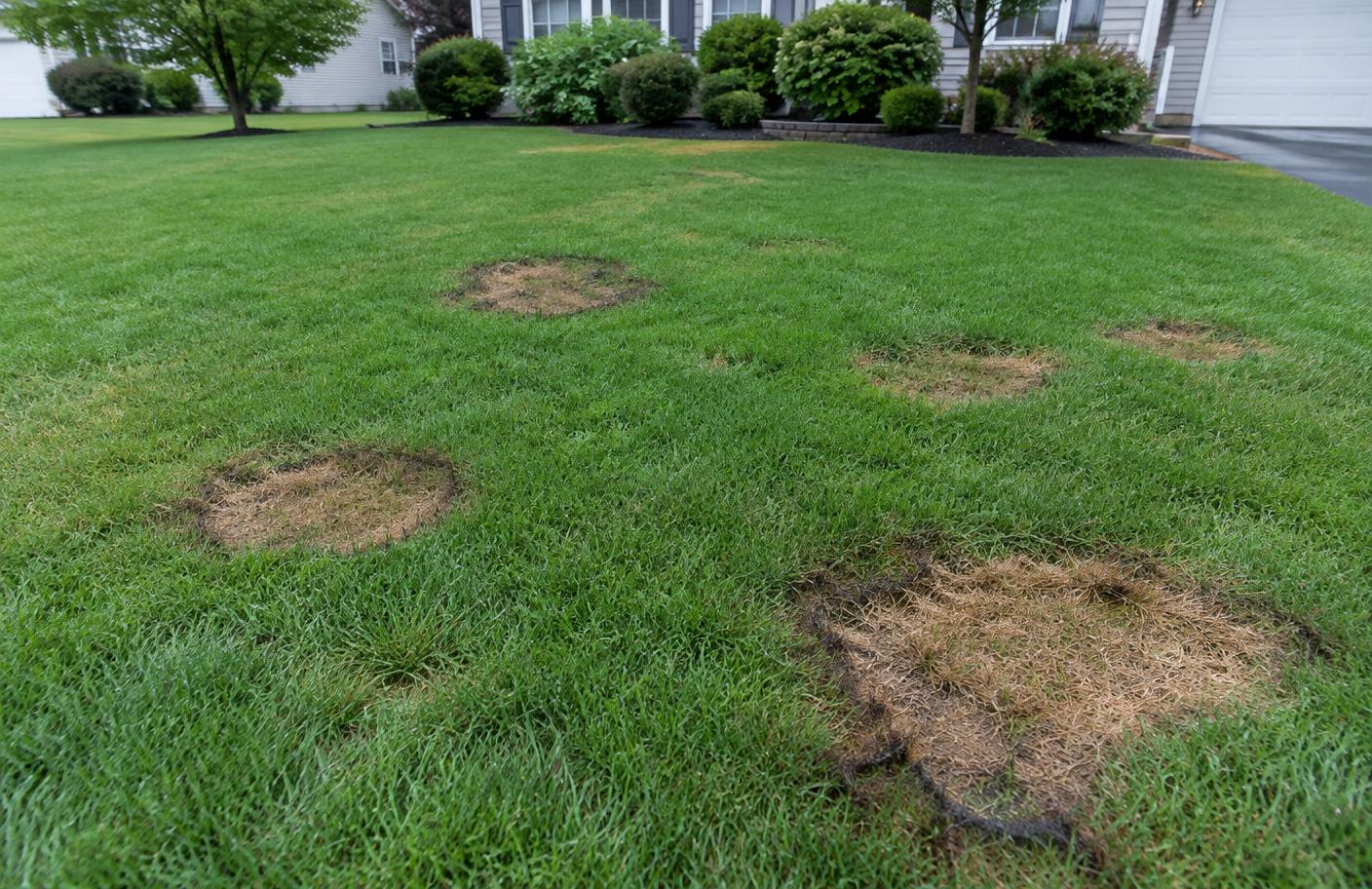
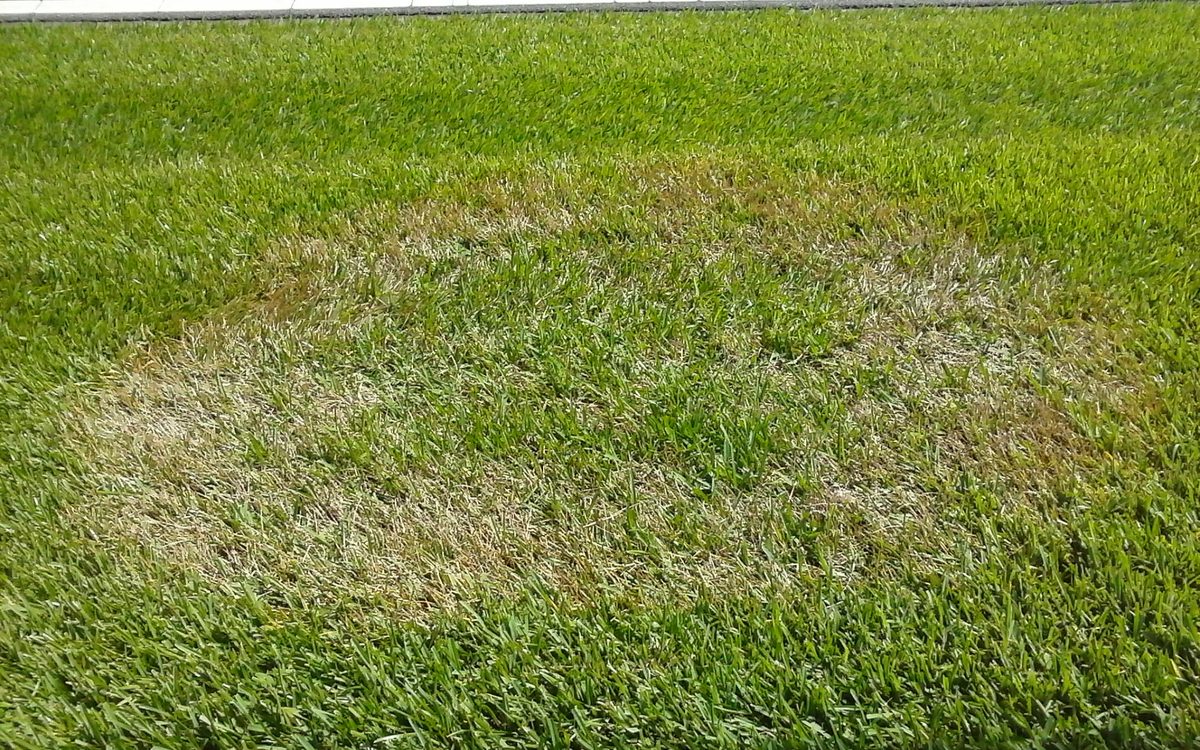
When it appears: Hot, humid summer weather with warm nights, mainly in tall fescue and ryegrass.
- Circular tan or brown patches, several inches to several feet wide
- A dark, smoky ring at the edge in early morning
- Tan leaf lesions with a dark brown border
Dollar Spot
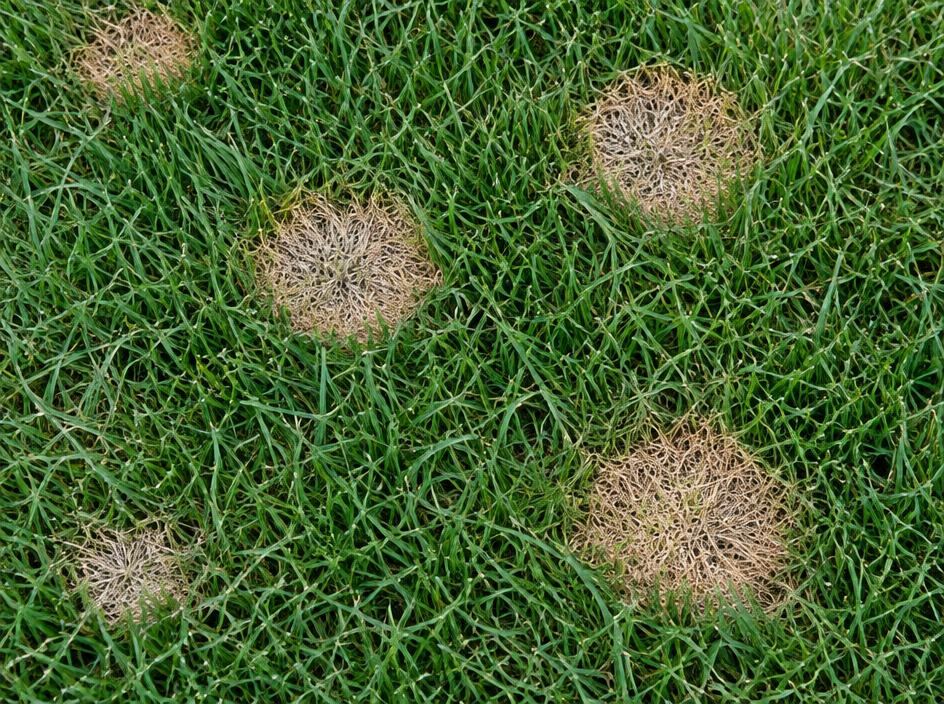
When it appears: Late spring through fall, especially with heavy dew and low nitrogen.
- Small, round, straw-colored spots that can merge
- Hourglass-shaped tan lesions with reddish-brown edges
- White cobweb-like growth on dewy mornings
Red Thread
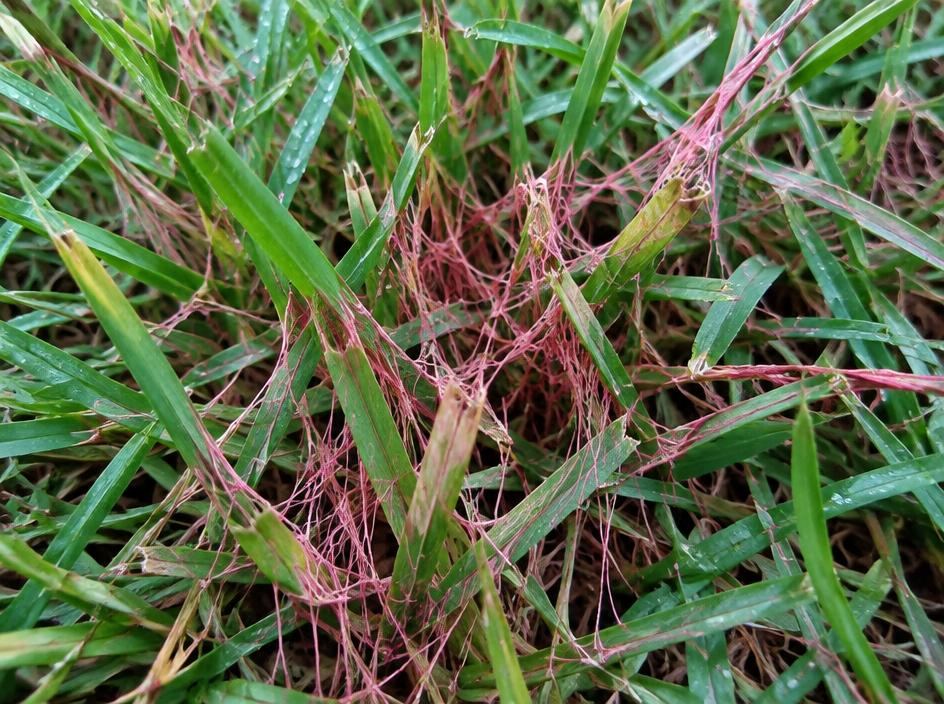
When it appears: Cool, wet spring and fall weather, often in under-fertilized lawns.
- Pinkish or reddish patches from a distance
- Thin red, thread-like strands on leaf tips
- Usually cosmetic, rarely kills the plant
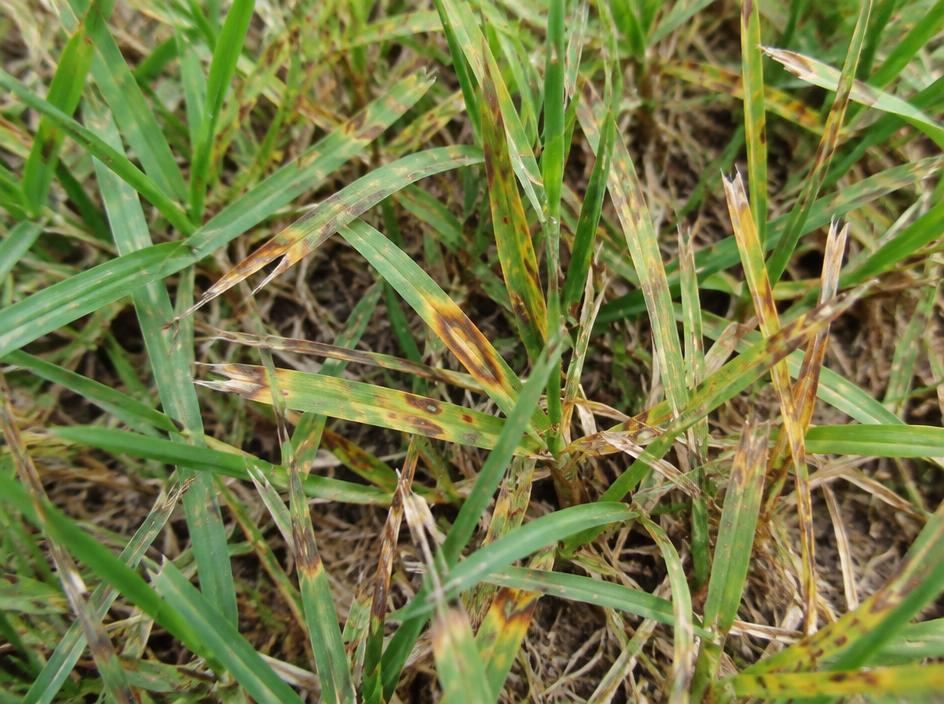
Leaf Spot & Melting Out
When it appears: Cool, wet spring weather; most damaging in Kentucky bluegrass mowed short.
- Purple to brown spots on leaf blades
- Spots with tan centers and dark borders
- Thinning that can spread to crowns and roots in heat
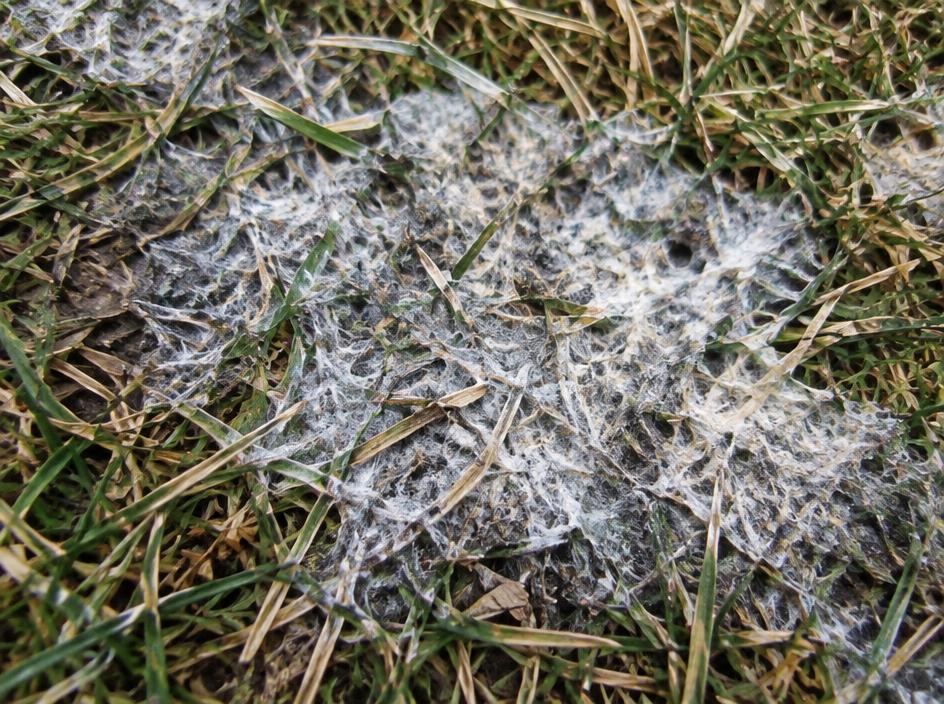
Snow Mold
When it appears: Late winter and early spring after prolonged snow cover or cold, wet weather.
- Matted, crusty circular patches as snow melts
- Gray or pinkish fungal growth
- Worst where snow piles up or lingers
Other diseases, such as Pythium blight, summer patch, rust and fairy ring, also occur in New Jersey lawns. Some, like Pythium, can kill large areas in a few days during extreme heat and humidity, which is when a professional diagnosis is worth it.
Is It Really Fungus?
Can you find spots, lesions or threads on individual blades?
Disease usually marks the leaves. Drought and grubs usually don't.
Does the turf pull up like carpet with no roots?
That points to grubs, not fungus.
Is the browning only in the sunniest, driest areas?
Often drought stress or summer dormancy.
Are blade tips shredded and white-tipped?
A dull mower blade, not disease.
Are spots small and bright green around the edges?
Often dog urine.
For a wider walk-through, see Why Is My Lawn Turning Brown?.
Look Beneath the Fungus
Why Is Disease Showing Up in Your Lawn?
Fungus tells you what is happening. The surrounding conditions usually explain why.
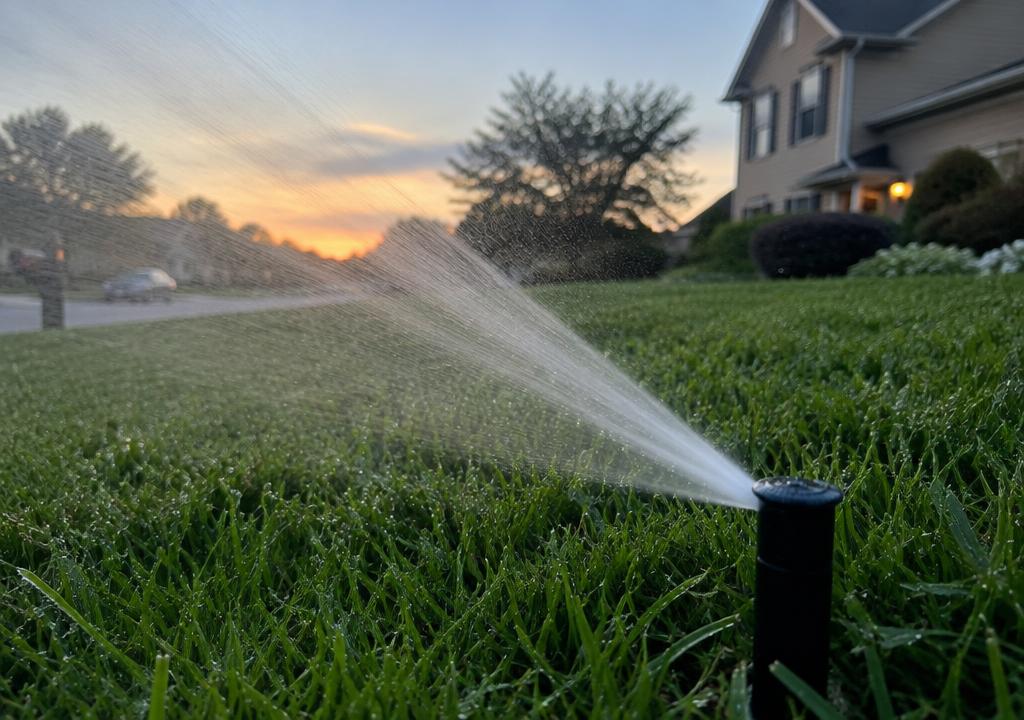
Evening or Daily Watering
Biggest driver
Watering at night or every day keeps leaves wet for hours, which is exactly what most lawn fungi need.
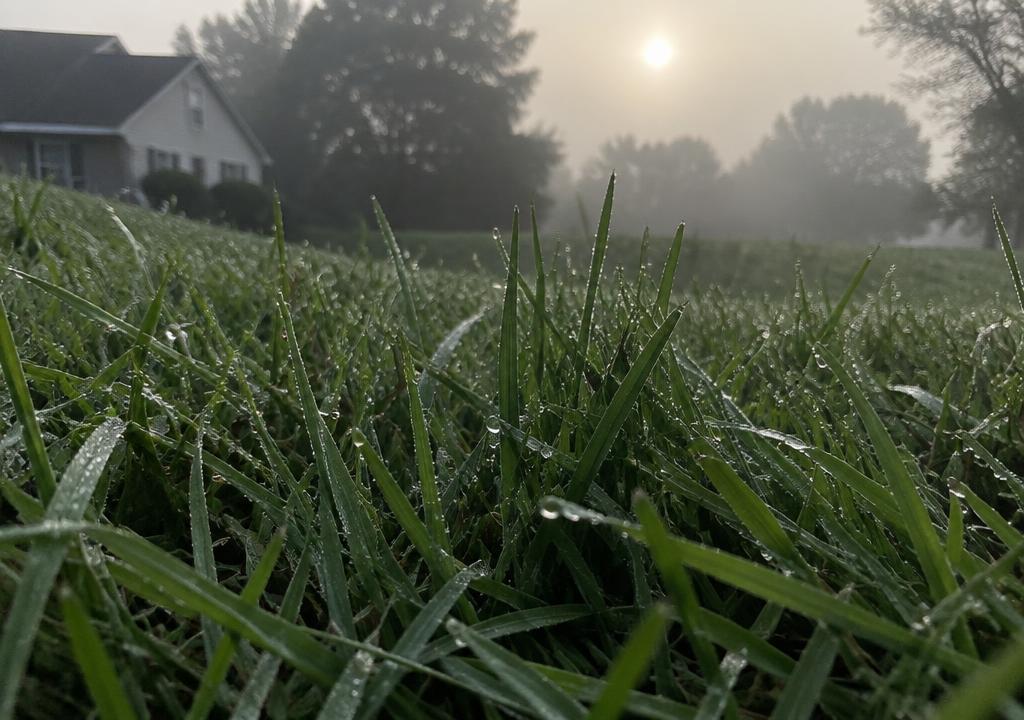
Heat & Humidity
Seasonal
Warm nights and muggy air in July and August drive brown patch and Pythium.
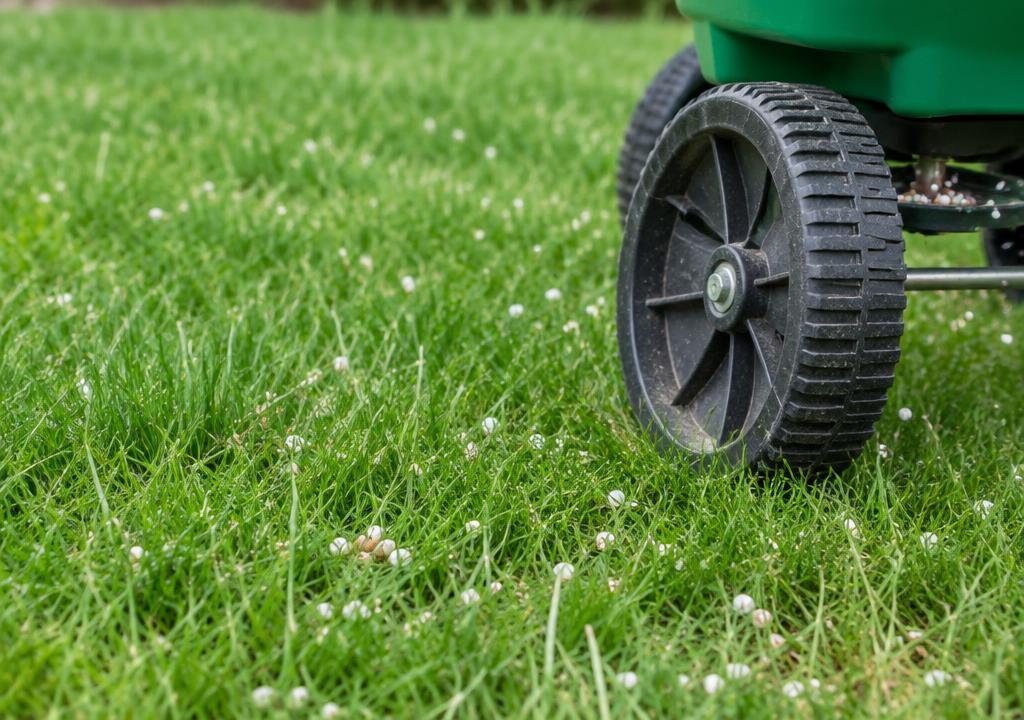
Fertility Out of Balance
Common
Too much quick nitrogen in summer feeds brown patch. Too little invites dollar spot and red thread.
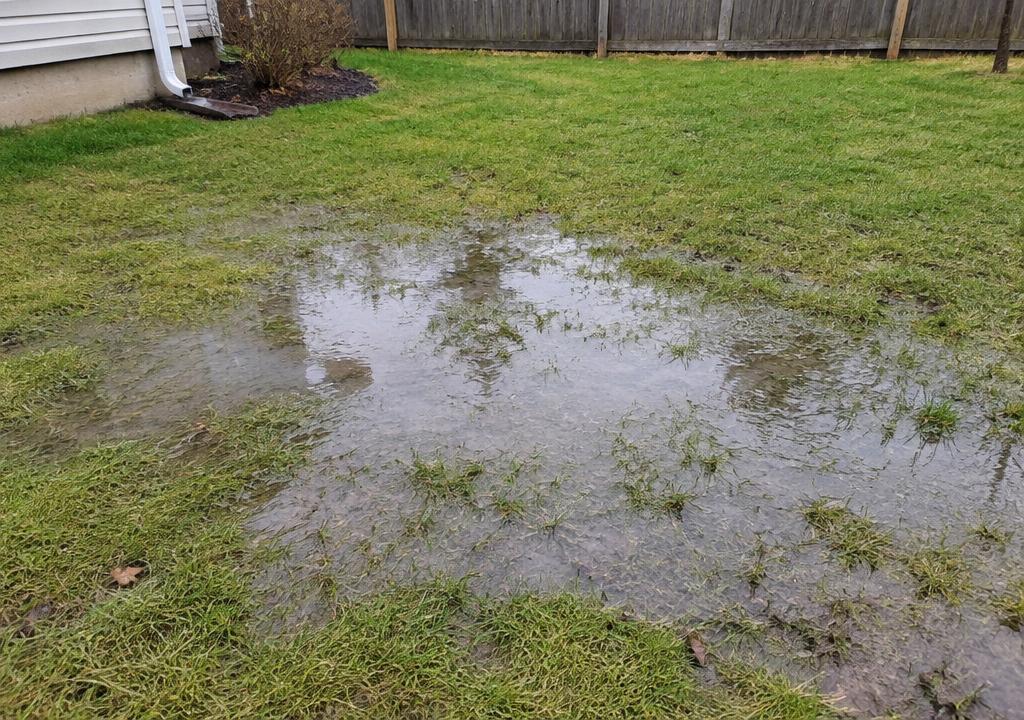
Compaction & Poor Drainage
Common
Wet, compacted soil weakens roots and keeps the surface damp.
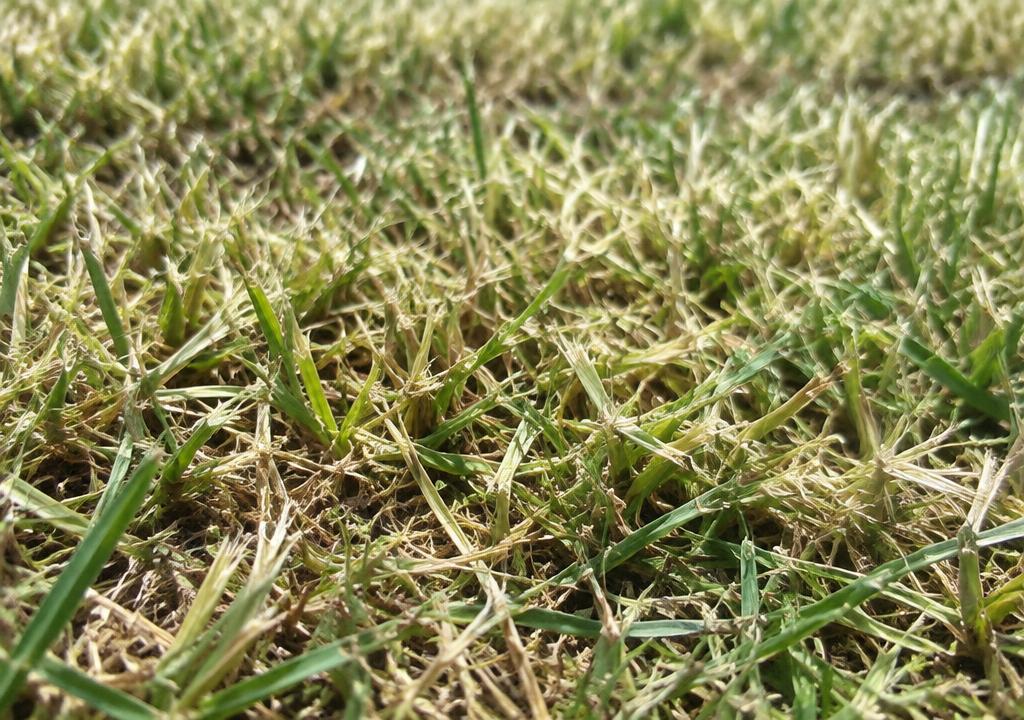
Mowing Too Short
Contributing
Short, stressed grass has fewer reserves to resist infection. Dull blades create wounds.
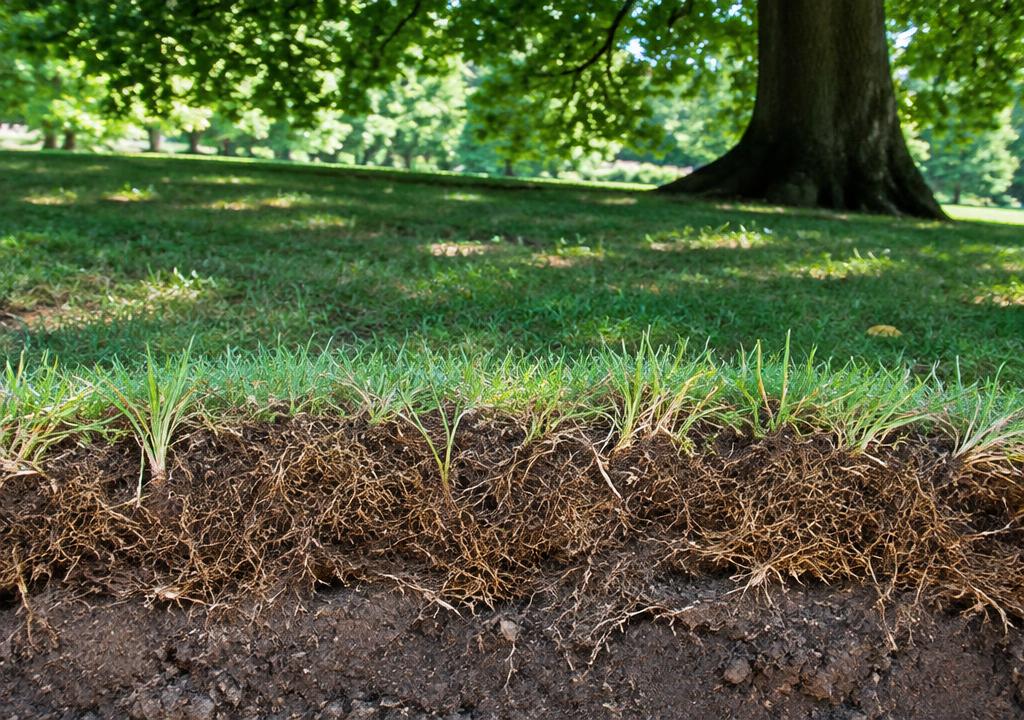
Heavy Thatch & Shade
Contributing
Thick thatch harbors fungi, and shade slows drying after dew or rain.
How to Treat Lawn Fungus
Treatment depends on the disease, the time of year and how much damage has already happened. Most lawn diseases are managed in three steps.
1.Fix the Conditions Right Away
These steps help with almost every lawn fungus, and they cost little or nothing.
- Water early in the morning so leaves dry quickly, and water deeply but less often.
- Avoid quick-release nitrogen during hot, humid weather.
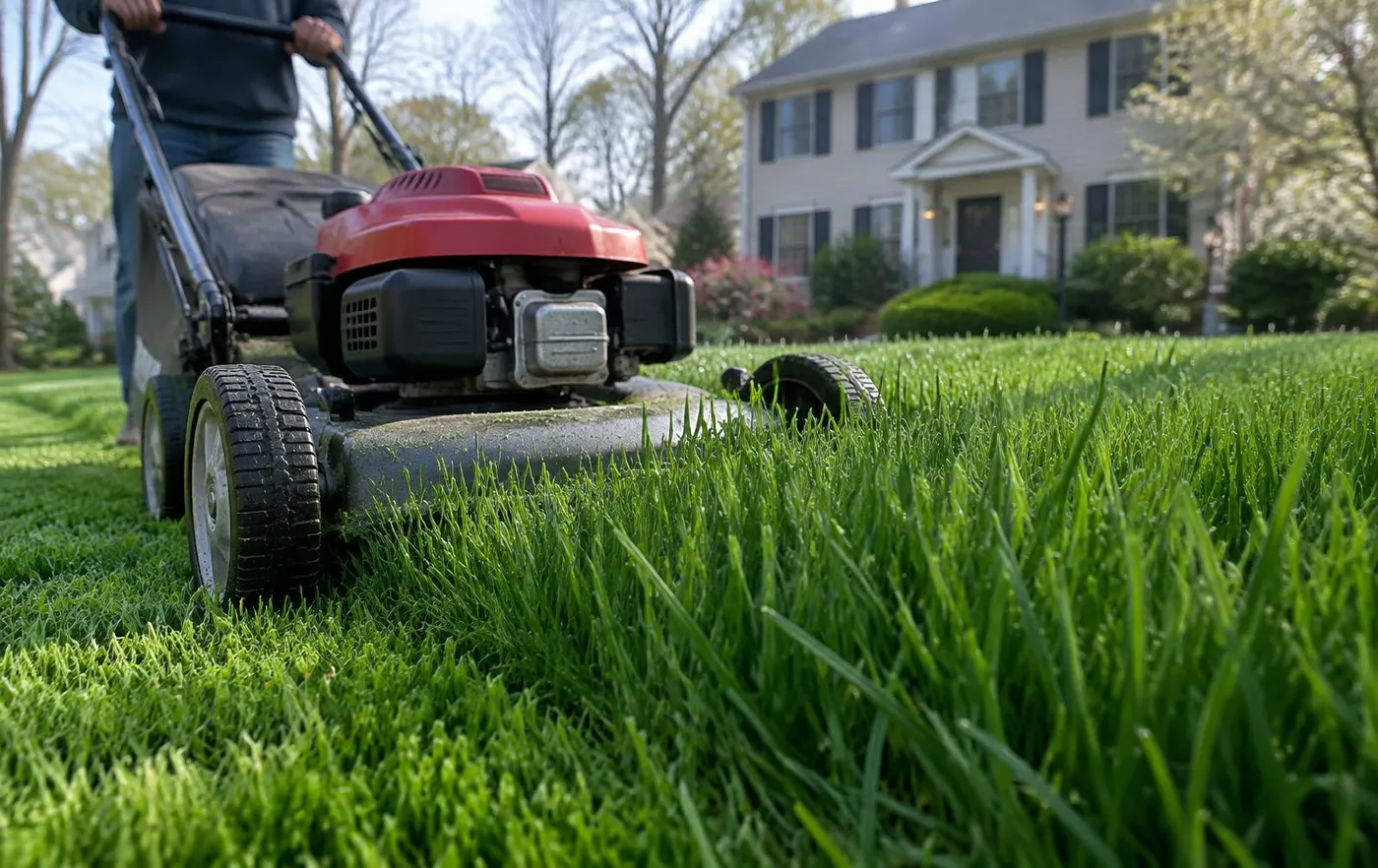
- Mow at the right height with a sharp blade, and avoid mowing wet grass when disease is active.
- Bag clippings from actively infected areas to reduce spread.
For the right height for your grass type, see our mowing height guide.
2.Use Fungicides at the Right Time
Fungicides work best as protection before or very early in an outbreak. They help keep healthy grass from becoming infected, but they don't bring dead grass back to life. The product has to match the disease, and the label directions, rates and intervals must be followed.
Some diseases, such as red thread, are often managed with fertility alone. Others, like brown patch in a high-value tall fescue lawn, may justify preventive treatment during the summer risk window.
Repeated use of the same fungicide group can lead to resistance. Professional programs rotate products for that reason.
3.Repair Damaged Areas in Fall
Grass killed by disease usually needs to be reseeded. In Northern New Jersey, late August through September is the best time to overseed, ideally with disease-resistant varieties suited to your site.
For timing details, see Best Time to Aerate & Overseed in New Jersey.
When Lawn Diseases Strike in New Jersey
Timing shifts with the weather each year, but these are the typical windows.
March – April
Snow mold
Matted patches appear as snow melts. Lightly rake to help the grass dry and recover.
April – June
Leaf spot & red thread
Cool, wet weather favors leaf spot and red thread, especially in under-fed lawns.
June – August
Brown patch, dollar spot & Pythium
Peak risk in hot, humid weather with warm nights. Watch closely after storms.
September – October
Dollar spot & recovery
Dollar spot can continue. This is the best window to reseed damaged areas.
How to Prevent Lawn Fungus
Water in the Morning
Finish irrigation before mid-morning so the grass dries during the day.
Feed in Balance
Base fertilizer on a soil test and avoid heavy summer nitrogen.
Mow High & Sharp
Taller, healthier grass resists infection better.
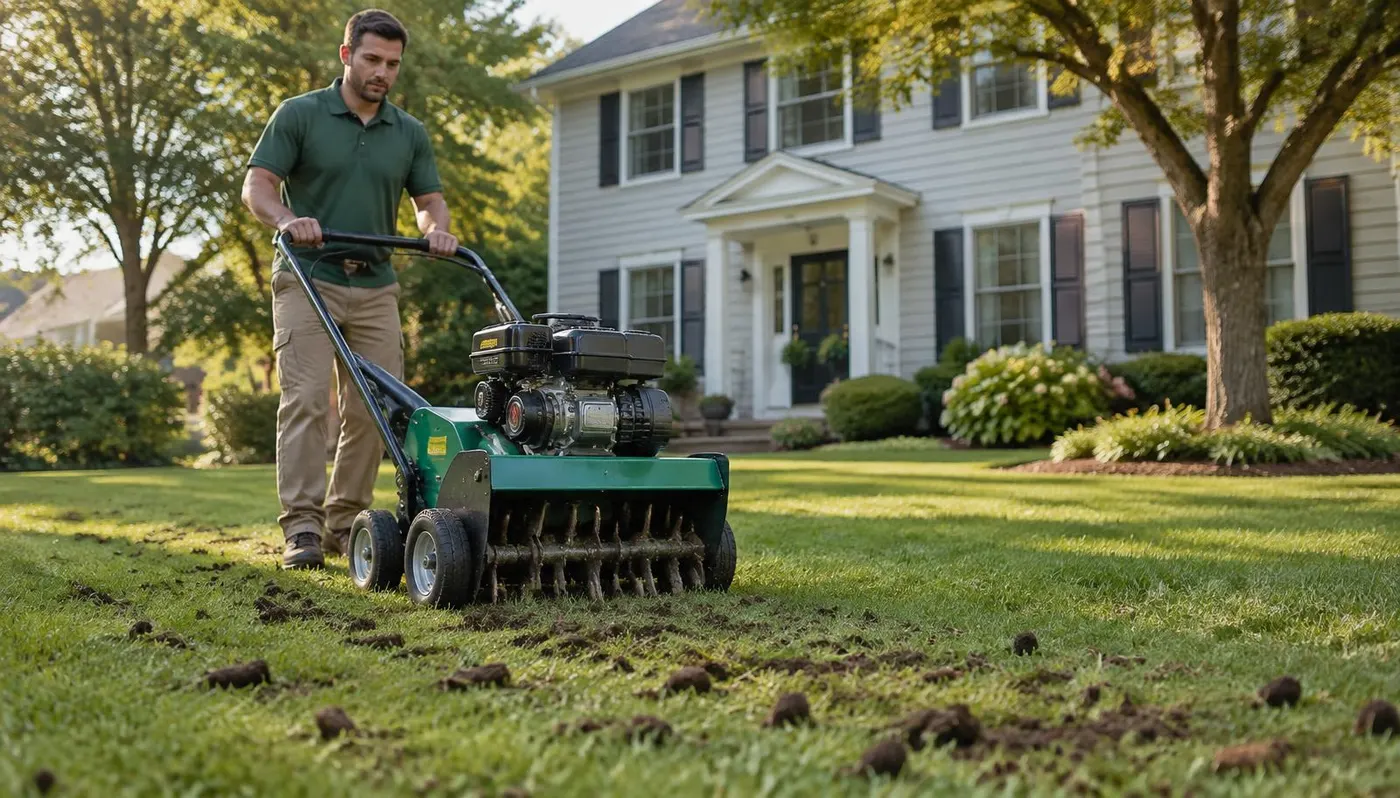
Aerate Compacted Soil
Improve drainage and root health with core aeration.
Choose Resistant Seed
Modern tall fescue and bluegrass varieties offer better disease resistance.
Improve Airflow
Thin dense shrubs and tree canopies where practical to speed drying.
Related Services
Local Lawn Care in Northern New Jersey
Keep Learning
Lawn Fungus Questions
What does lawn fungus look like?
It depends on the disease. Common signs include circular tan or brown patches, small straw-colored spots, pink or red threads on blade tips, purple-brown leaf spots, and matted gray or pink patches after snow melt. Many diseases also leave visible lesions on individual blades.
What causes lawn fungus?
Fungi that are already present in most lawns become active when weather and lawn conditions favor them: long leaf wetness, heat and humidity, nitrogen that is too high or too low, compacted soil, heavy thatch or mowing too short.
How do I treat lawn fungus?
Start by correcting the conditions: water early in the morning, avoid summer quick-release nitrogen and mow high with a sharp blade. Fungicides can protect healthy grass during high-risk periods when matched to the specific disease. Reseed areas that died in late summer or early fall.
Will lawn fungus go away on its own?
Some diseases, like red thread and mild dollar spot, often fade when the weather changes and fertility improves. Others, like brown patch and Pythium, can kill grass that then needs reseeding.
Does fungicide bring dead grass back?
No. Fungicides protect living grass from infection. Grass that has already died needs to recover or be reseeded.
When is lawn fungus worst in New Jersey?
June through August is peak season for brown patch, dollar spot and Pythium, especially during humid weather with warm nights. Leaf spot and red thread favor cool, wet spring and fall weather, and snow mold appears in late winter.
Can overwatering cause lawn fungus?
Yes. Frequent or evening watering keeps leaf blades wet for long periods, which is one of the biggest drivers of lawn disease. Water deeply, less often and early in the morning.
Does fertilizer cause lawn fungus?
It can work both ways. Heavy quick-release nitrogen in summer can worsen brown patch, while too little nitrogen invites dollar spot and red thread. Balanced, soil-test-based fertility helps prevent both.
Can lawn fungus spread?
Yes. Spores and infected clippings move on mowers, shoes, water and wind. Avoid mowing wet, actively diseased grass and bag clippings from infected areas.
Is it lawn fungus or grubs?
Grub-damaged turf peels up like carpet because the roots have been eaten, and you'll often find C-shaped white grubs in the soil. Fungus usually leaves the roots intact and shows lesions or discoloration on the blades.
How do I prevent snow mold?
Keep mowing until the grass stops growing in fall, avoid heavy late-fall nitrogen, don't pile snow on lawn areas and lightly rake matted patches in spring to help them dry.
Sources & further reading
- Rutgers NJAES — Brown Patch of Cool-Season Turfgrass
- Rutgers NJAES — Dollar Spot of Turfgrass
- Penn State Extension — Turfgrass Disease Profiles
- University of Massachusetts Amherst — Turf Disease Fact Sheets