
GreenStripe lawn care logo
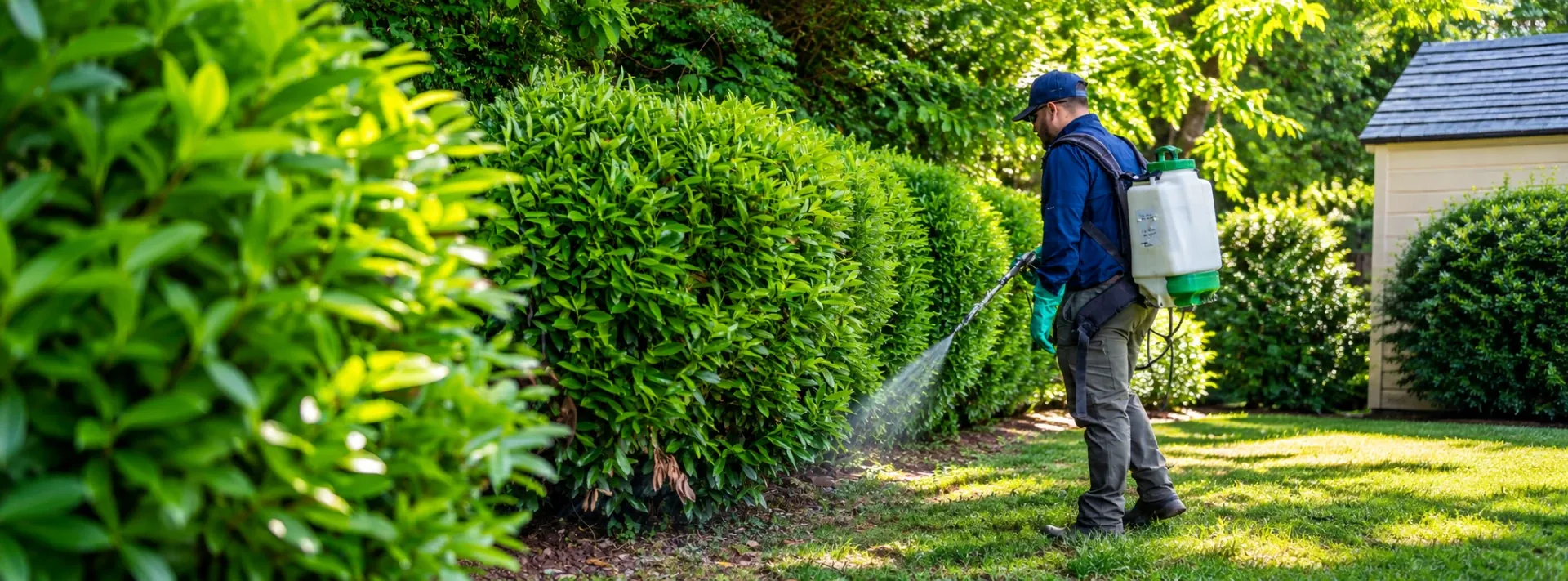
Technician treating a shrub border along the wooded edge of a backyard lawn

Tick Control in Northern New Jersey

Protect the Edges
of Your Yard.

Four strategically timed tick-control applications focused on the wooded, shaded and perimeter areas where ticks are most likely to be encountered.

Our hybrid approach combines naturally derived components with professional tick-control products for dependable seasonal protection.

  • 4 ApplicationsPer Season
  • TargetedPerimeter Treatment
  • Hybrid ApproachNatural + Professional

Healthier yards for what matters most.

Why Ticks Are Different

Ticks Don't Usually Live in the Middle of Your Lawn.

Ticks are commonly found in wooded areas, leaf litter, dense vegetation, tall grass and shaded transition zones — not out in the open. That's why we focus our treatments where ticks are most likely to live, rest and travel.

Know where ticks live. That's where we treat.

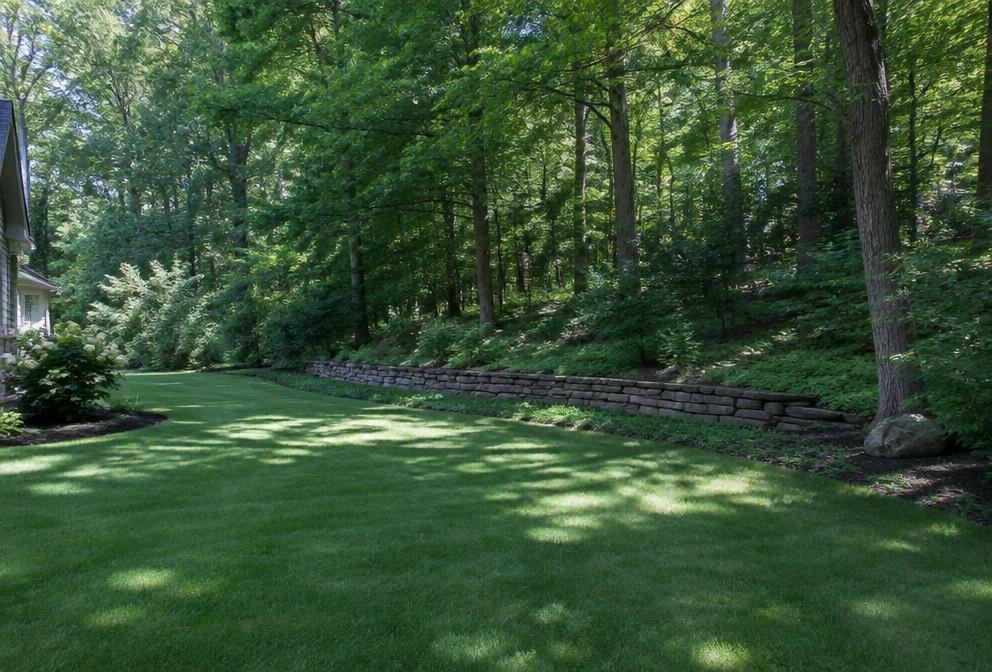
  • Manicured lawn meeting a wooded tree line behind a stone retaining wall

    Wooded Edges

    Forest edges and tree lines provide ideal habitat.

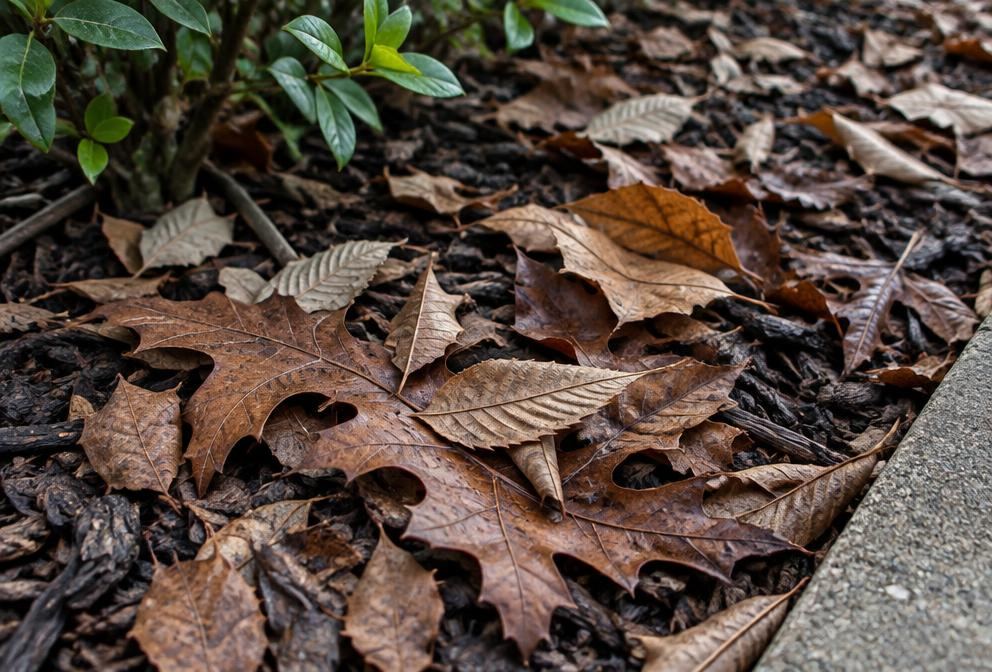
  • Fallen leaves collected along the edge of a landscape bed

    Leaf Litter

    Fallen leaves create a protected environment for ticks.

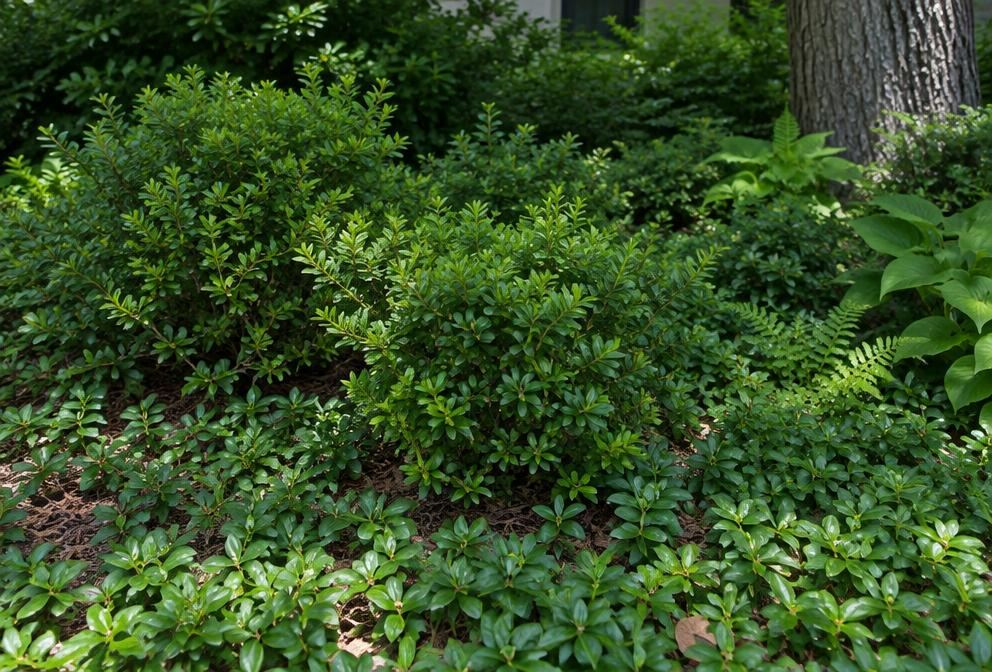
  • Dense low shrubs and ground cover in a shaded landscape bed

    Dense Shrubs

    Low vegetation gives ticks cover and a place to rest.

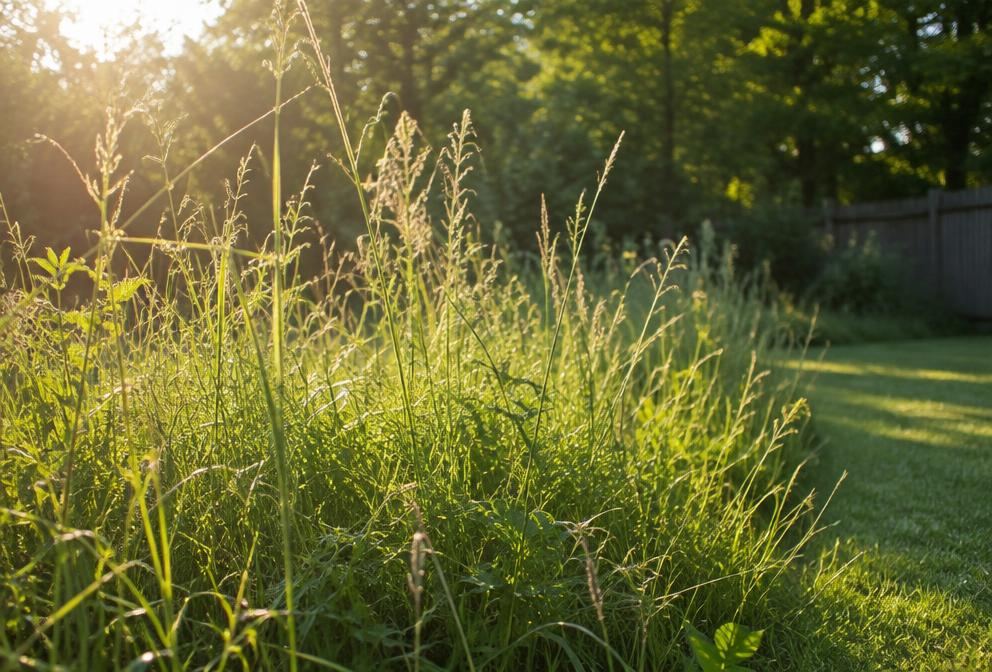
  • Tall unmowed grass along the edge of a backyard lawn

    Tall Grass

    Ticks are commonly found in tall grass and ground cover.

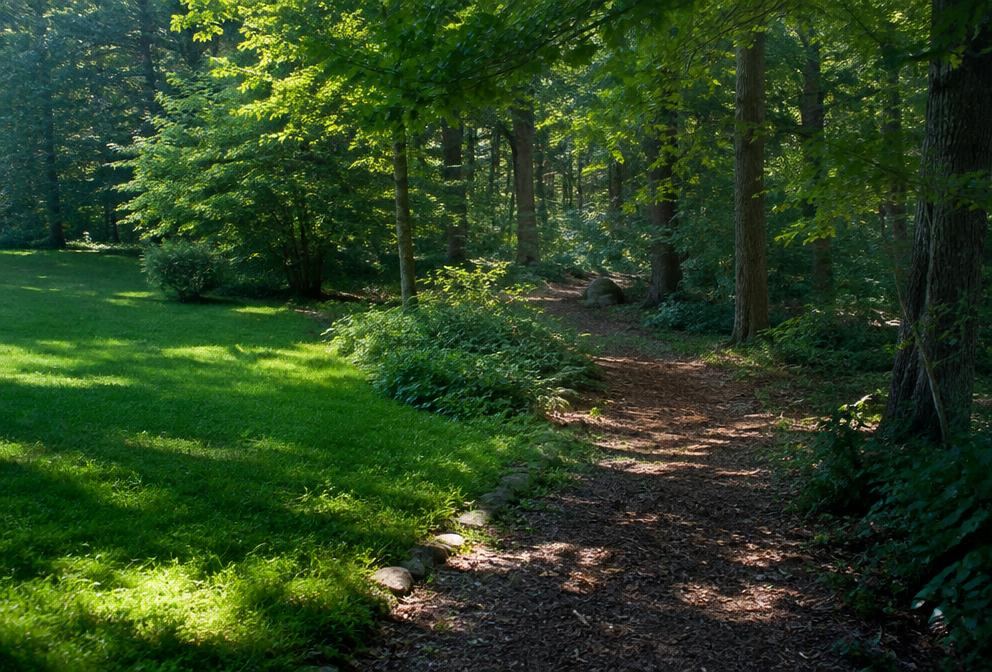
  • Shaded woodland path where a lawn transitions into the woods

    Shaded Transition Areas

    Moist, shaded areas help ticks survive and stay active.

Our 4-Application Program

Four Targeted Visits Throughout Tick Season.

Our tick-control program includes four strategically timed applications, each focused on the landscape areas where tick activity is most likely based on your property's conditions.

  1. SpringStart the season protected
  2. Early SummerContinued control during peak activity
  3. Mid / Late SummerMaintain protection through the heat of summer
  4. FallFinish strong before winter
Person walking a golden retriever on a shaded wooded trail

More confidence in every season.

The GreenStripe Approach

Treat the Habitat.
Not the Entire Property.

We take a strategic approach to tick control, focusing on where ticks are most likely to live and travel.

  1. 1

    Inspect the Property

    Identify wooded edges, dense vegetation and transition zones.

  2. 2

    Target High-Risk Areas

    Focus on areas where ticks are more likely to be encountered.

  3. 3

    Apply Strategically

    Use the hybrid treatment according to product label and property conditions.

  4. 4

    Reduce Favorable Habitat

    Help members understand what can make the property more tick-friendly.
Hybrid Tick Control

Natural Where Practical.
Stronger Where It Matters.

GreenStripe uses a hybrid tick-control approach designed to combine lower-impact inputs with professional control where stronger performance is needed.

Naturally Derived Components

Used where appropriate as part of the treatment strategy.

Professional Tick Control

Added where needed to improve consistency and protection in higher-pressure areas.

Ticks in New Jersey

A Local Concern Worth Taking Seriously.

Several tick species are common in New Jersey and can transmit diseases. Our tick-control program is designed with these regional risks in mind.

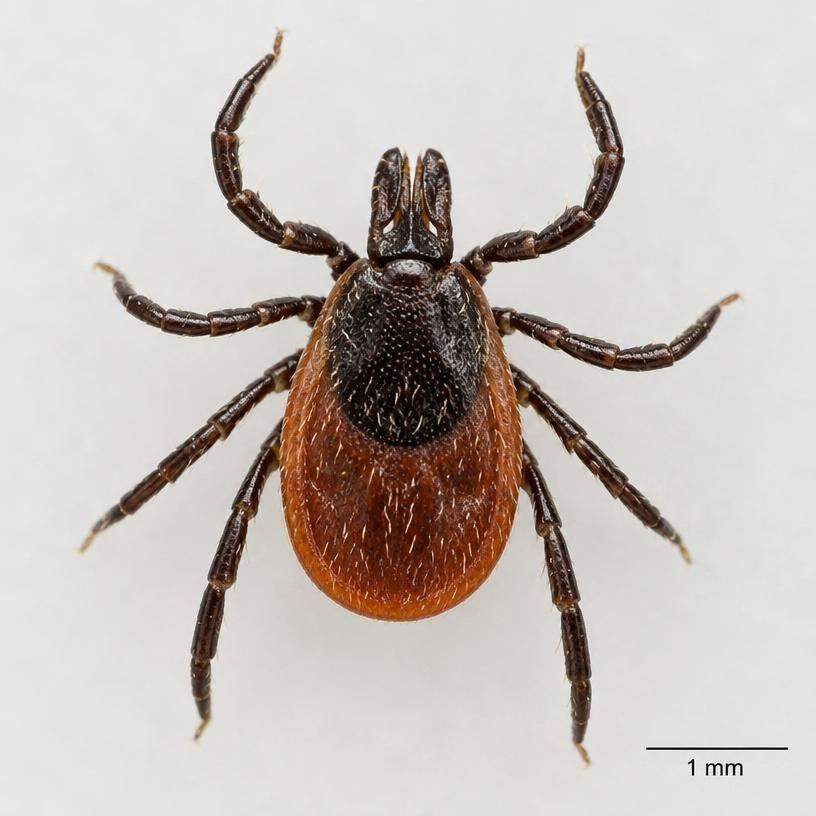
  • Macro photograph of a blacklegged deer tick

    Blacklegged Tick

    (Ixodes scapularis)

    Known in New Jersey and capable of transmitting Lyme disease and other pathogens.

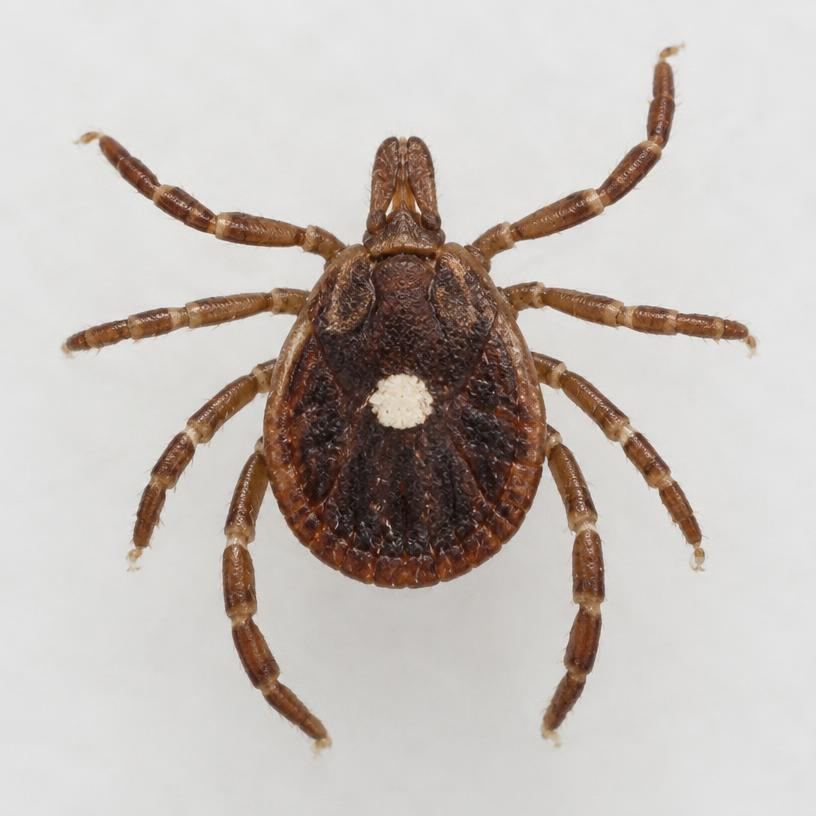
  • Macro photograph of a lone star tick with a white dot on its back

    Lone Star Tick

    (Amblyomma americanum)

    An aggressive, human-biting species found in New Jersey, with expanding populations in our region.

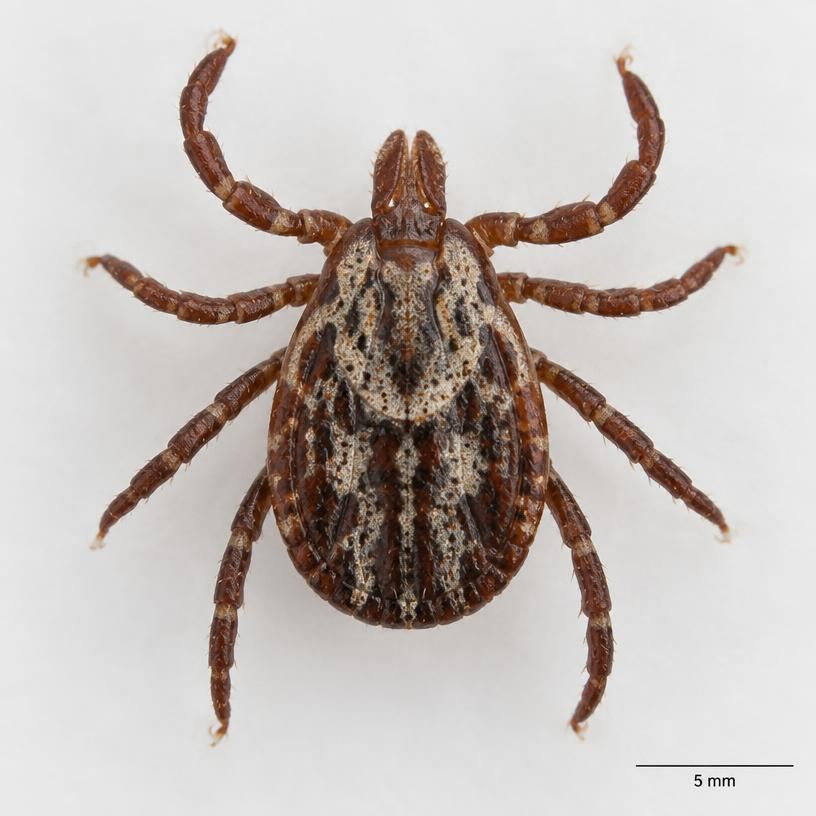
  • Macro photograph of an American dog tick with a mottled patterned back

    American Dog Tick

    (Dermacentor variabilis)

    Occurs statewide in New Jersey and is commonly associated with grassy fields and edge habitats.

Treatment Is Only Part of the Answer

Make Your Property Less Tick-Friendly.

Simple steps around your property can help reduce tick habitat and support the effectiveness of your treatments.

  • Remove Leaf Litter

    Keep lawns and landscape beds clear of fallen leaves.

  • Keep Tall Grass Managed

    Mow regularly and maintain ground cover.

  • Trim Dense Vegetation

    Open up overgrown areas and improve air flow.

  • Create Cleaner Transitions

    Maintain clear edges between lawn, landscape and wooded areas.

The Perfect Add-On to Mosquito Control

One Yard. Two Different Pest Pressures.

Ticks and mosquitoes thrive in different areas of your property, but together they can make it hard to fully enjoy your outdoor space. Many of our customers choose both services for more complete protection.

Mosquito Control

Targets mosquito activity around outdoor living areas and vegetation.

Tick Control

Targets property edges, wooded zones and other areas where tick exposure is more likely.

You're here
Backyard patio with a fire pit and seating beside landscape beds in the evening

Protect the Edges of Your Property

Four Targeted Applications.
One Smarter Tick Strategy.

Designed for the wooded, shaded and perimeter areas where tick encounters are most likely.

A safer yard for what matters most.

Ready For A Healthier Lawn?

Let's Take a Look at Your Property.

Enter your address and get a personalized property analysis in seconds.

  • Fast & Easy
  • No Obligation
  • See Your Options