
Weeds
Crabgrass in New Jersey: Prevention, Breakthrough & What to Do Next
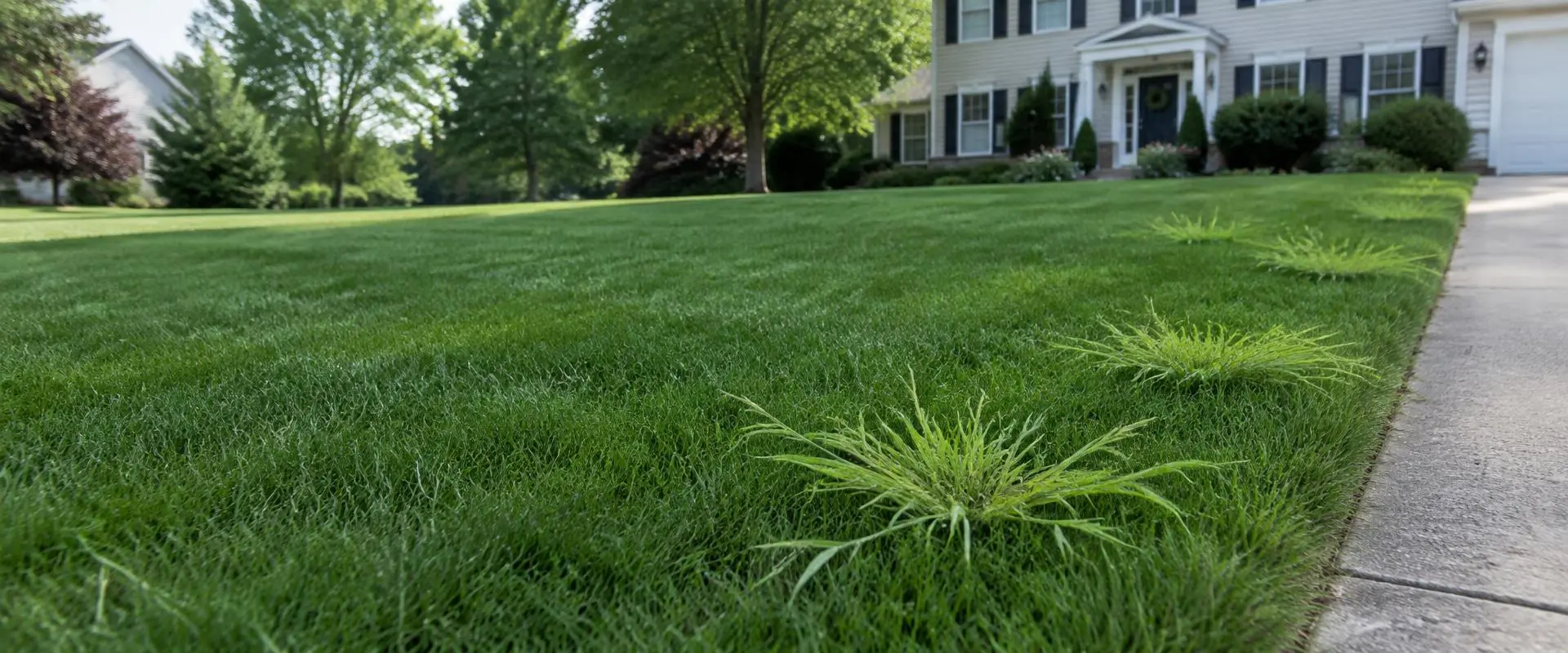
Crabgrass is one of the most recognizable summer weeds in New Jersey lawns—but seeing it doesn't necessarily mean your spring prevention failed completely. Understanding how crabgrass grows, where it finds opportunities and why breakthrough occurs is the first step toward reducing it long term.
GreenStripe Lawn Advice
Reviewed by the GreenStripe Turf Team
Last updated:
On This Page
The Short Answer
Crabgrass is an annual weed. The real opportunity is preventing the next generation.
Crabgrass germinates from seed in spring, grows aggressively during warm summer weather, produces seed and dies as temperatures decline. In Northern New Jersey, prevention begins before germination—but long-term control also depends on maintaining dense turf that leaves fewer opportunities for new seedlings to establish.
A few crabgrass plants don't necessarily mean the entire prevention program failed.
Breakthrough can occur because of timing, application coverage, environmental conditions, thin turf, bare soil or continued germination later in the season.
First: Is It Actually Crabgrass?
Several grassy weeds can be mistaken for crabgrass. Before deciding how to manage it, make sure you're identifying the right plant.
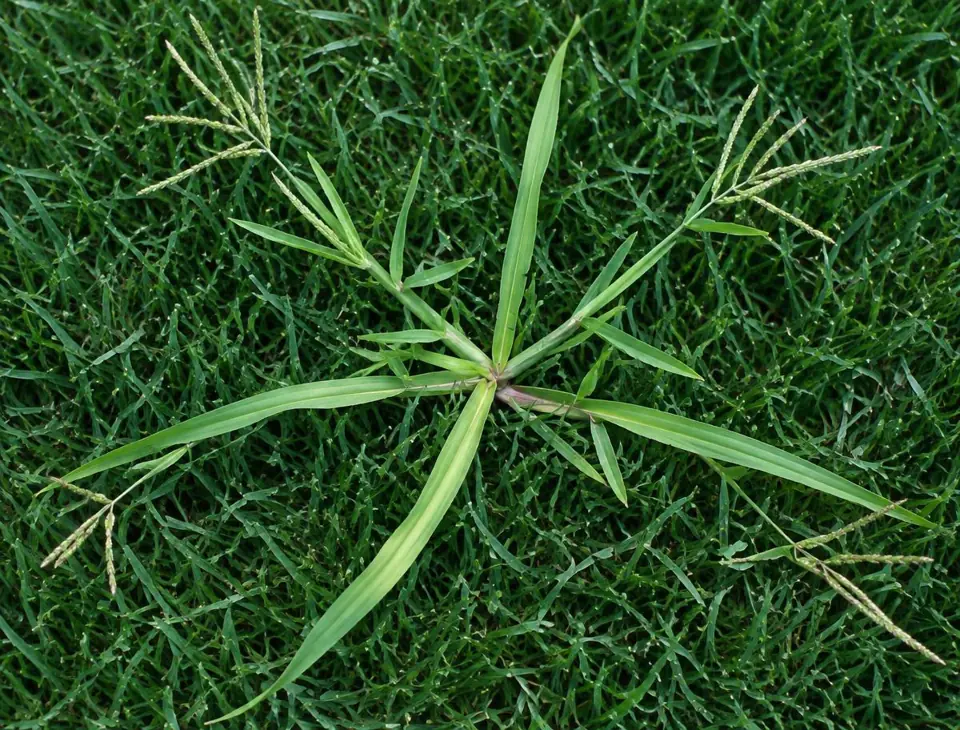
Crabgrass: what to look for
- Coarser texture than surrounding cool-season turf
- Often lighter green than the surrounding lawn
- Spreading growth habit
- Stems that radiate outward as the plant matures
- Mature plants may spread along the ground and root at stem nodes
Crabgrass is a grass—not a broadleaf weed.
That distinction matters because weed-control products and timing differ depending on the type of weed. And not every coarse or light-green grassy weed is crabgrass—other grassy weeds can look similar.
Why Crabgrass Happens in New Jersey
Crabgrass is a warm-season annual grass in New Jersey. Existing plants don't survive the winter and return as the same plants the following year—instead, new plants germinate from seed.
- 1Seed
- 2Germination
- 3Summer growth
- 4Seed production
- 5Plant dies
- 6Seeds remain
…and the seeds left behind start the next cycle.
In Central and Northern New Jersey, crabgrass typically begins germinating around mid- to late April, although timing changes with weather and site conditions. Germination can start earlier in exposed locations—bare soil, south-facing slopes, and areas near sidewalks, driveways and other hardscapes. It can also keep germinating well into the summer wherever favorable openings exist. That's why calendar dates are useful guides—not guarantees.
How prevention actually works
Pre-emergence crabgrass control is applied before crabgrass becomes established. Most conventional pre-emergence products work near the soil surface and interfere with susceptible seedlings as they germinate and establish—so fewer seedlings go on to become mature plants.
They do not kill dormant crabgrass seed sitting in the soil, and they don't permanently sterilize the soil.
“I Had Crabgrass Preventative. Why Do I Still Have Crabgrass?”
This is one of the most common questions homeowners ask. Pre-emergent significantly reduces crabgrass pressure when properly used, but no lawn should be treated as though an invisible force field has been installed around it.
- 1.
Germination happens over time. Seeds can germinate over an extended period when conditions are favorable, so a program has to account for how long that window lasts.
- 2.
Weather affects residual control. Products gradually break down. Rutgers notes soil microbes become more active as soil warms, which can speed breakdown—and above-average rainfall can also shorten how long residual control lasts.
- 3.
Application coverage matters. Areas with insufficient or uneven coverage may have less protection. Slopes, edges and hard-to-reach spots can see more breakthrough.
- 4.
Thin or bare turf creates opportunity. Seedlings compete far more successfully where desirable turf isn't forming a dense canopy.
- 5.
Hot areas can germinate earlier. Soil near hardscapes, bare areas and south-facing exposures may warm sooner.
- 6.
New openings can develop during summer. Turf lost to drought, disease, traffic or other stress gives later-germinating weeds a chance to establish.
Look Beneath the Weed
Why Is Crabgrass Showing Up Here?
Finding crabgrass tells you what is growing. Looking at the surrounding lawn can help explain why it found an opportunity there.
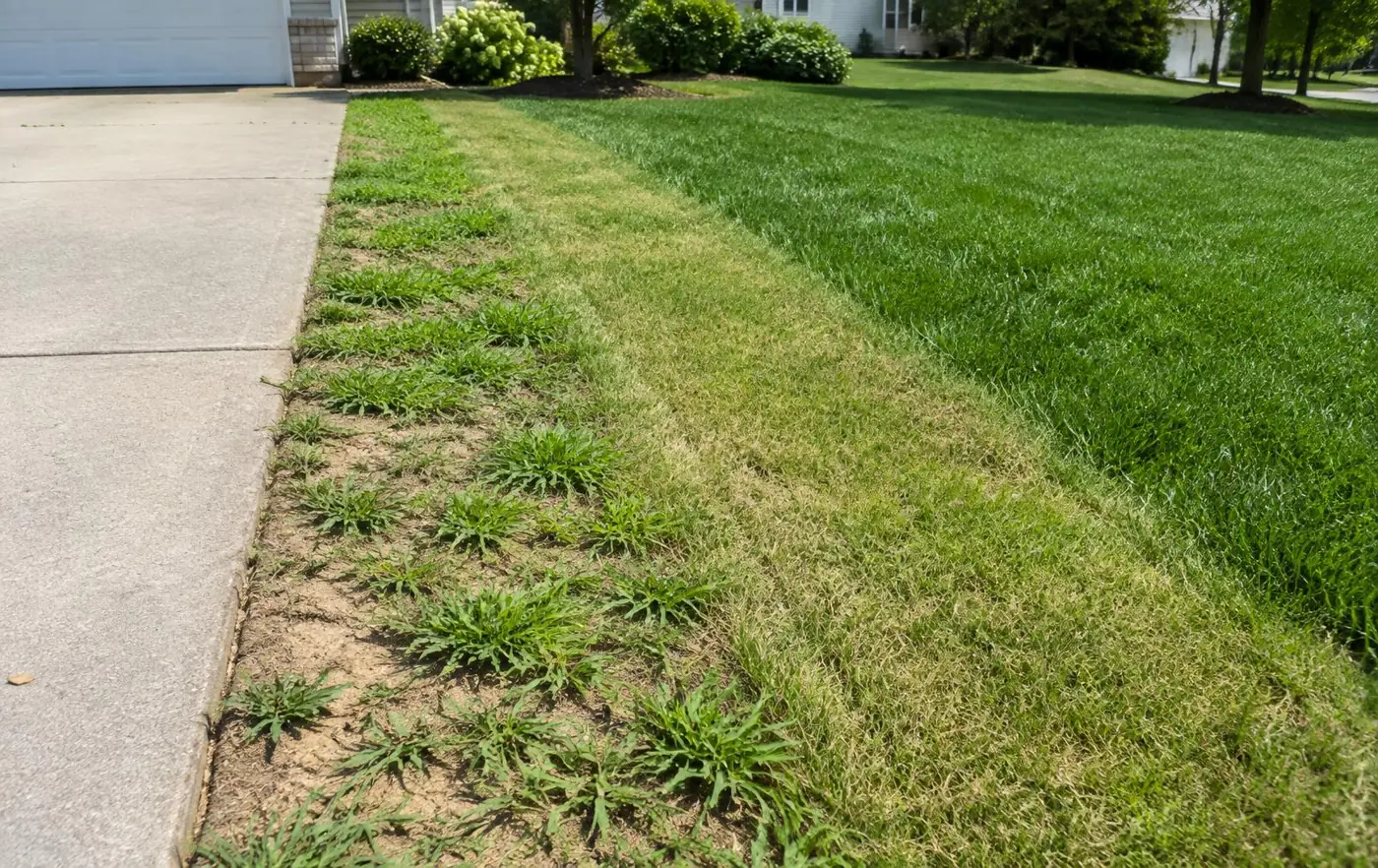
Hot, Exposed Area
Can create an advantage for crabgrass
Soil near pavement can warm earlier, and cool-season turf there may become stressed in summer heat—conditions where warm-season crabgrass grows aggressively.
Thin or Bare Turf
Can favor establishment
Open soil and weak turf provide less competition for seedlings. Areas weakened by previous stress, damage or poor establishment deserve closer attention.
Low Mowing / Scalping
Can reduce turf competition
Rutgers research indicates mowing toward the higher end of the recommended range can significantly reduce crabgrass compared with lower heights. Shorter turf lets more light reach the soil surface.
Soil / Growing Conditions
Worth investigating when the same areas repeatedly struggle
If the same spot keeps thinning and crabgrass keeps filling it, compaction, drainage or other site limitations may be worth investigating. Crabgrass alone doesn't prove any particular soil problem.
Frequent, Light Irrigation
Can favor weed seedlings
Keeping the soil surface constantly moist can help shallow-rooted seedlings survive. Established turf generally benefits from watering that encourages deeper rooting—newly seeded turf has different needs.
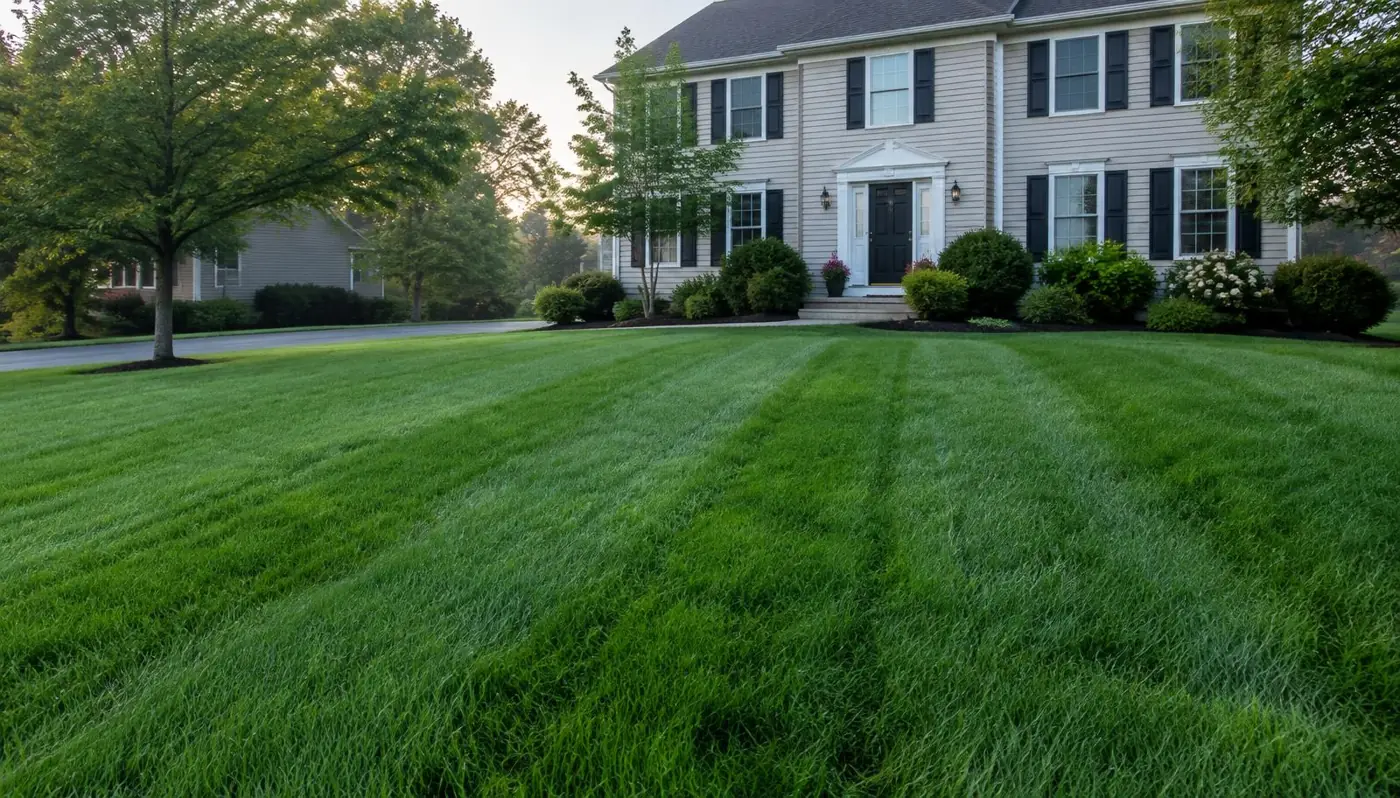
The Best Long-Term Crabgrass Strategy Is a Denser Lawn
Herbicides can be valuable tools, but weed management isn't only about killing weeds. Rutgers identifies a dense stand of desirable turf as one of the most effective ways to prevent summer annual weeds like crabgrass—and appropriate fertility, mowing, irrigation and seeding all help turf compete with weed seedlings.
Mow
Maintain an appropriate height for cool-season turf and avoid scalping.
Feed
Provide appropriate nutrition based on turf needs and soil conditions.
Water
Encourage deeper rooting rather than keeping established turf constantly surface-wet.
Repair
Seed thin and damaged areas at the right time so crabgrass has fewer openings next season.
What Should You Do If Crabgrass Is Already Growing?
A few plants
Small infestations can sometimes be removed by hand. A plant won't regrow if its crown is completely removed—pull it before it sets significant seed.
Young + actively growing
Targeted post-emergence control may be appropriate depending on turf species, growth stage, weather and the product label. Younger plants are generally easier to control.
Mature / late summer
Management gets harder as plants mature. Shift attention toward rebuilding turf density and reducing next year's opportunity.
Late summer and early fall is an important establishment window for cool-season turf in Northern New Jersey, and thin areas can often be repaired then through aeration and overseeding. Don't assume you can seed right after a weed-control application, though—product labels and reseeding intervals vary.
Crabgrass Management Changes With the Season
Early Spring
Prepare
Keep turf healthy and plan prevention before germination.
Mid/Late Spring
Prevent
Germination typically begins mid- to late April, depending on weather and site.
Early Summer
Scout
Look for small breakthrough plants while they're easier to manage.
Mid/Late Summer
Manage + Plan
Address existing crabgrass where appropriate; note thin turf and conditions to improve.
Late Summer / Early Fall
Rebuild
Repair thin areas during New Jersey's primary cool-season establishment period.
Late Fall / Winter
Evaluate
Plants die with the cold, but seed remains. Use this year to improve next year's plan.
Can You Completely Eliminate Crabgrass From a Lawn?
The realistic goal is management and suppression—not a promise that a lawn will never contain another crabgrass plant. Seeds persist in the environment, new seed gets introduced and weather and site conditions change from year to year. A strong program combines:
- Appropriate prevention
- Monitoring and targeted control where necessary
- Proper mowing
- Appropriate fertility
- Good irrigation practices
- Repairing thin turf
- Addressing recurring underlying conditions
Use good cultural practices to reduce weed pressure, then use targeted weed control where it's actually needed. Thin, stressed turf invites weeds of all kinds—if parts of the lawn are also browning, see Why Is My Lawn Turning Brown?
Related Services
Local Lawn Care in Northern New Jersey
Keep Learning
Crabgrass Questions
Does crabgrass come back every year?
The individual crabgrass plant does not survive the New Jersey winter. Crabgrass is an annual, so new plants germinate from seed each year.
When does crabgrass germinate in Northern New Jersey?
Rutgers reports that crabgrass typically begins germinating in mid- to late April in Central and Northern New Jersey, although exposed or bare areas can warm earlier and weather shifts timing from year to year.
Why do I have crabgrass if I received a preventative treatment?
Pre-emergence treatments can greatly reduce crabgrass establishment but don't guarantee that every plant will be prevented. Timing, application uniformity, product longevity, weather, extended germination and openings in thin turf can all contribute to breakthrough.
Will crabgrass die in winter?
Yes. Existing crabgrass plants die as temperatures decline because crabgrass is an annual. However, seeds produced by those plants can contribute to future infestations.
Should I pull crabgrass by hand?
Small infestations can sometimes be removed mechanically. Removing the plant's crown prevents that plant from regrowing, and removing plants before they produce seed can help reduce additional seed.
Does mowing higher help prevent crabgrass?
It can. Rutgers research indicates that mowing toward the higher recommended range for the turf species can reduce crabgrass by helping desirable turf maintain a denser canopy that shades the soil.
Does aerating my lawn break the crabgrass preventative barrier?
Not necessarily. Rutgers reports research indicating that aeration after a pre-emergence application does not automatically disrupt the herbicide barrier enough to cause failure.
Can I seed my lawn after crabgrass prevention?
It depends on the product. Many pre-emergence herbicides can also interfere with desirable grass seedlings. Always follow the product label and required seeding interval.
Sources & further reading
- Rutgers NJAES — Crabgrass control in home lawns
- Rutgers NJAES — Pre-emergence crabgrass control timing and breakthrough
- Rutgers NJAES — Mowing height and summer annual weed suppression
- Rutgers NJAES — Best Management Practices for Watering Lawns