

Weeds
Pre-Emergent Weed Control in New Jersey: Timing, Seeding & What It Really Prevents
Pre-emergent is one of the most useful tools in a New Jersey lawn program—but it's a defensive barrier, not a substitute for healthy grass. Here's what it prevents, when to apply it, how to seed in spring without wasting either, and why a thick lawn is still the best weed control.
GreenStripe Lawn Advice
Reviewed by the GreenStripe Turf Team
Last updated:
The Short Answer
Apply pre-emergent before weed seeds germinate—usually early to mid-spring in Northern New Jersey.
Pre-emergent forms a thin barrier near the soil surface that stops susceptible weed seeds as they sprout. Crabgrass is the main target, but it also suppresses other annual grassy and some broadleaf weeds. It does nothing to weeds already growing—and it works best on a lawn thick enough to leave weeds few openings.
A thick lawn is the best weed control. Pre-emergent is assistance.
The barrier buys your grass time. Dense, well-fed turf is what keeps weeds out long term.
What Pre-Emergent Actually Prevents
Most homeowners think of pre-emergent as “crabgrass preventer,” and crabgrass is the main reason we use it. But a properly timed application also helps suppress a range of other weeds that grow from seed each year.
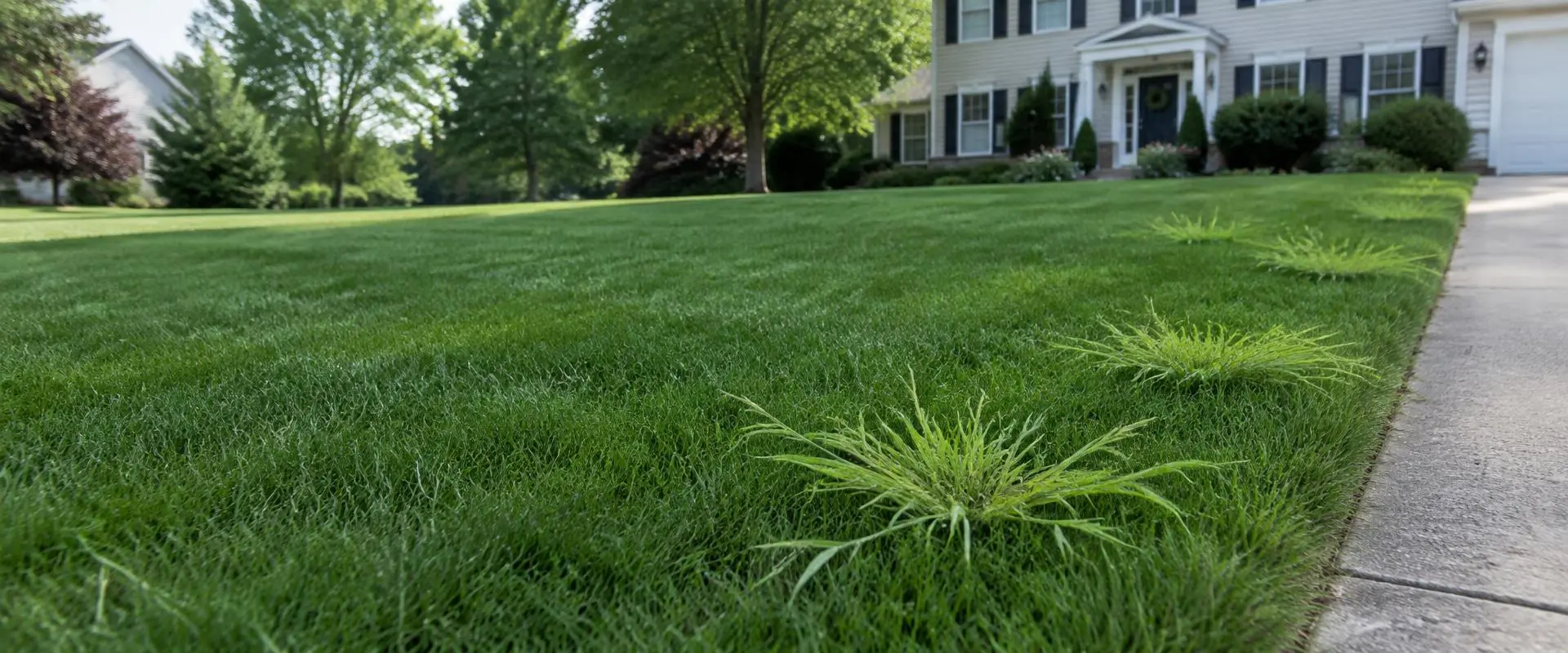
- Crabgrass (smooth and large)—the primary target
- Goosegrass and foxtail
- Japanese stiltgrass, increasingly common along wooded NJ lot edges
- Annual bluegrass (Poa annua), with fall timing
- Some annual broadleaf weeds such as spurge, henbit and chickweed
Pre-emergent does not control perennial weeds that return from roots—dandelion, clover, violets or nutsedge. Those need targeted weed control once they're actively growing, plus a lawn dense enough to crowd them out.
Do the active ingredients matter?
Professional programs typically rely on proven active ingredients such as prodiamine or dithiopyr (sold as Dimension). GreenStripe uses prodiamine for its long-lasting barrier. Different products vary in how long they last, whether they also control very young crabgrass, and how long you must wait before seeding—so whatever you use, the label is the rule.
When to Apply Pre-Emergent in New Jersey
Crabgrass begins germinating when soil temperatures hold around 55°F for several days. In Central and Northern New Jersey, Rutgers notes that usually happens around mid- to late April—earlier along driveways, sidewalks and south-facing slopes where soil warms first.
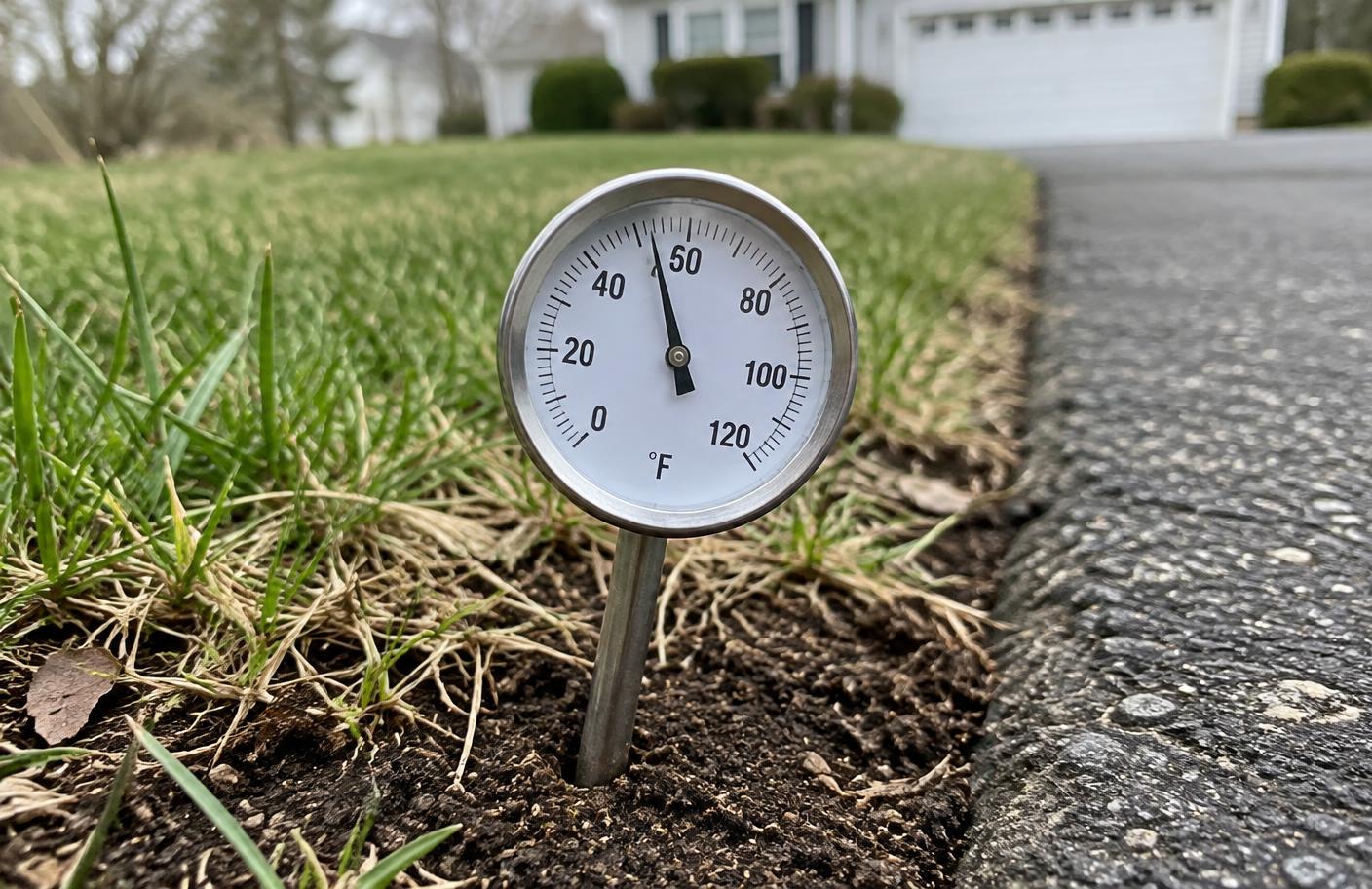
- Apply before germination: late March to mid-April is a common target window in Northern NJ.
- Nature's cue: forsythia in full bloom usually means it's time.
- Water it in: about ½ inch of rain or irrigation activates the barrier.
- Split applications: an early-spring barrier plus a late-spring follow-up extends protection through summer.
Can You Seed in Spring If You Use Pre-Emergent?
Most articles say no—pre-emergent stops grass seed the same way it stops weed seed. That's true if seed lands in treated soil. But there's a sequence that lets you do both.
- 1Apply pre-emergent
- 2Water it in
- 3Topdress with compost
- 4Seed into the compost
Once the barrier is applied and watered in, a layer of compost goes down and the new seed is placed in that compost. The seed and its new roots sit in fresh material above the barrier, unexposed to the product, while the soil underneath stays protected from crabgrass.
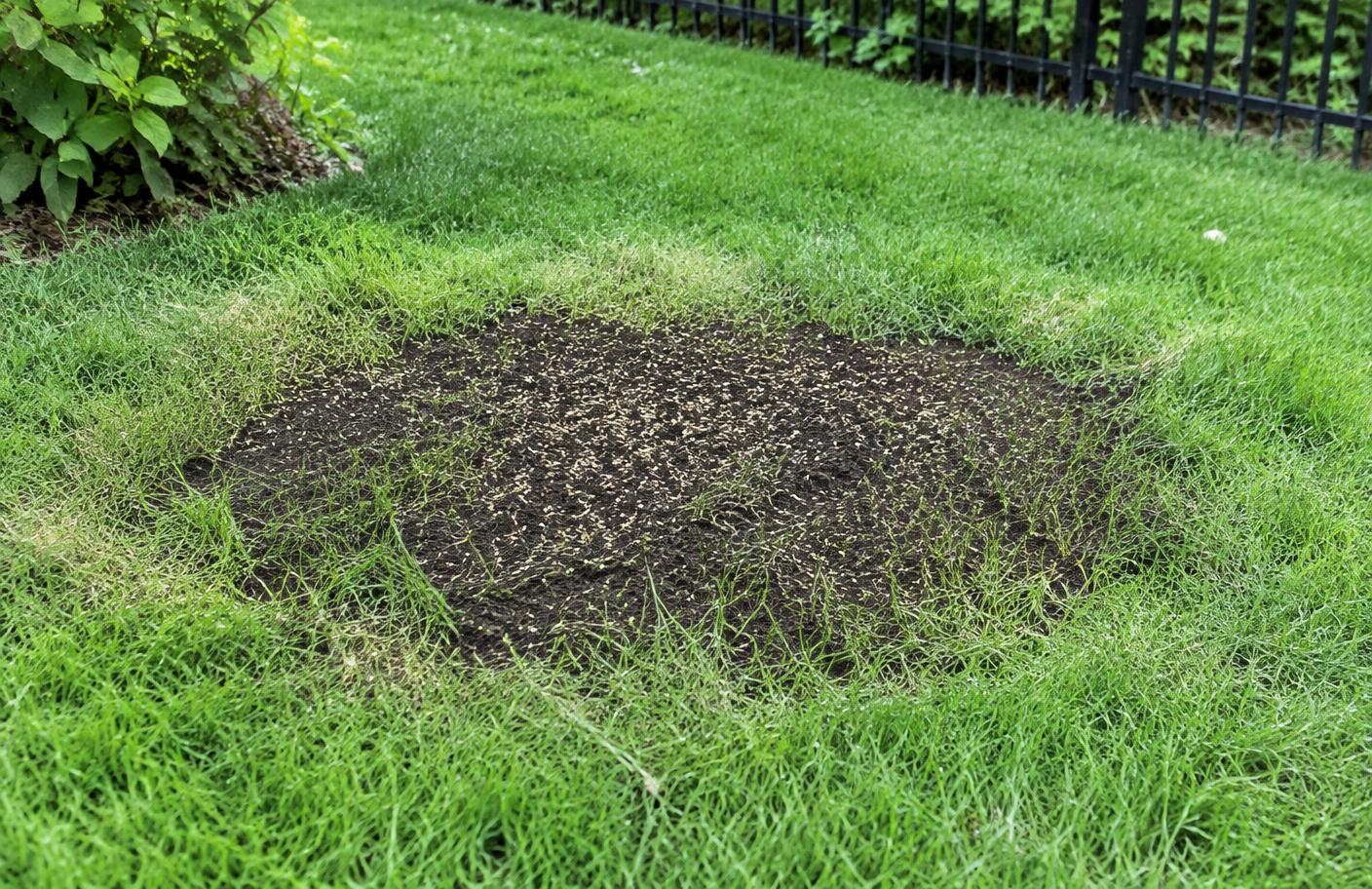
If your lawn needs both, we can apply the pre-emergent first and follow with a compost-and-seeding visit, or handle the whole process through Signature Lawn Renovation. Fall is still the strongest seeding window in New Jersey—see the best time to aerate and overseed.
The Best Weed Control Is a Thick Lawn
Pre-emergent can't make up for thin turf. Weeds need light and open soil to establish; dense grass takes both away. That density is built months earlier than most people think.

Feed in Fall
Fall nitrogen builds roots and density that show up next spring. Proper fall feeding reflects in spring.
Keep Nitrogen Up
Maintaining adequate nitrogen through the season helps turf outcompete weeds naturally.
Mow Tall
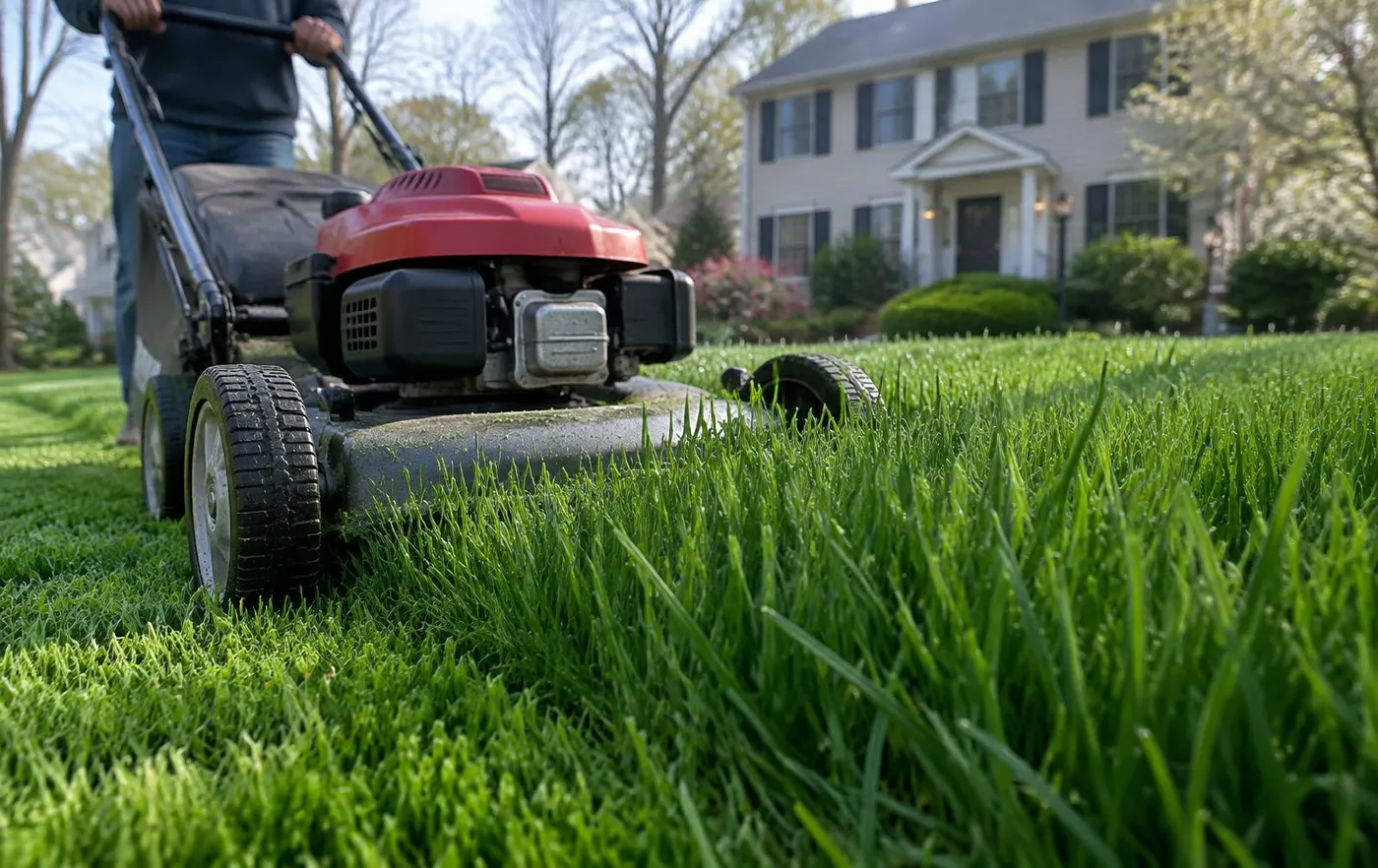
Mowing at 3.5–4 inches shades the soil surface where weed seeds sprout.
Repair Thin Spots
Seed and topdress weak areas so weeds have fewer openings next season.
A Year of Weed Prevention in New Jersey
Early Spring
Barrier
First pre-emergent application before soil hits 55°F; water it in.
Spring
Seed Smart
If seeding, compost-topdress and seed after the barrier—never before.
Late Spring
Extend
Follow-up application to carry protection into summer.
Summer
Spot Treat
Targeted control for breakthrough and perennial weeds; mow tall.
Fall
Build Density
Feed, aerate and overseed so next spring's lawn crowds weeds out.
Related Services
Local Lawn Care in Northern New Jersey
Keep Learning

Pre-Emergent Questions
When should I apply pre-emergent in New Jersey?
Before weed seeds germinate—typically late March to mid-April in Northern NJ, before soil temperatures hold around 55°F. Forsythia in full bloom is a helpful cue.
Does pre-emergent only prevent crabgrass?
No. Crabgrass is the main target, but pre-emergent also suppresses other annual weeds such as goosegrass, foxtail, Japanese stiltgrass and some annual broadleaf weeds. It does not control perennials like dandelion, clover or nutsedge.
Will pre-emergent kill weeds that are already growing?
Generally no. Pre-emergent stops seeds as they germinate. Weeds already established need targeted post-emergent control.
Can I seed my lawn in spring if I use pre-emergent?
Yes, with the right order. Apply the pre-emergent first, water it in, then topdress with compost and seed into the compost so the seed isn't exposed to the barrier. We don't recommend seeding first and applying pre-emergent afterward.
Do I need to water in pre-emergent?
Yes. About half an inch of rain or irrigation moves the product into the top layer of soil where it forms the barrier.
What pre-emergent does GreenStripe use?
We use prodiamine. Other professional options include dithiopyr (Dimension). Products differ in longevity and seeding intervals, so always follow the label.
Is pre-emergent enough to keep my lawn weed-free?
Not on its own. A thick lawn is the best weed control. Proper fall feeding, adequate nitrogen, tall mowing and repairing thin areas do most of the work; pre-emergent assists.
Sources & further reading
- Rutgers NJAES — Crabgrass control in home lawns (pre-emergence timing)
- Rutgers NJAES — Fertilizing cool-season lawns in New Jersey
- Rutgers NJAES — Mowing height and summer annual weed suppression
- Product labels — prodiamine and dithiopyr (Dimension) pre-emergence herbicides