
Aeration & Seeding
What to Do After Aerating Your Lawn: A Complete Aftercare Guide
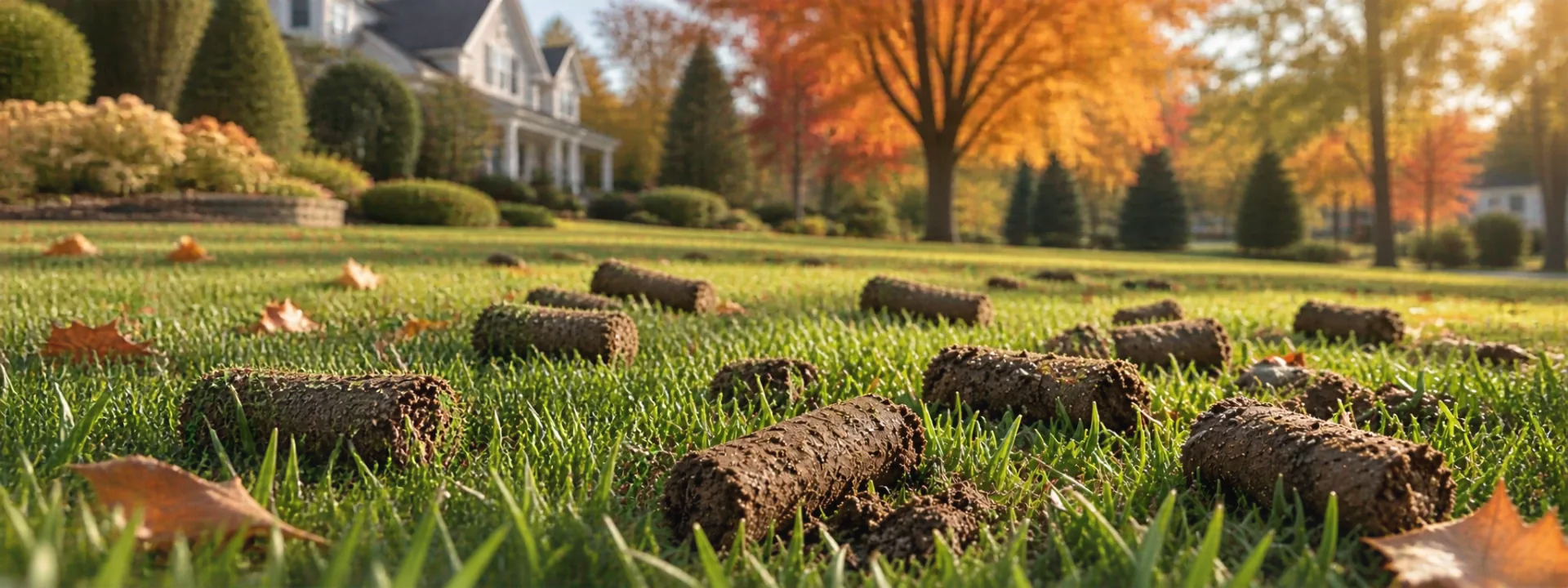
Your lawn has been core aerated. Now what? In most cases, the best thing you can do is let the aeration do its job. Leave the soil plugs in place, manage watering appropriately, avoid unnecessary traffic and—if the lawn was overseeded—focus on creating the conditions that new grass needs to establish. Here's what to do next.
GreenStripe Lawn Advice
Reviewed by the GreenStripe Turf Team
Last updated:
On This Page
The Short Answer
After Aeration, Don't Overcomplicate It.
Leave the plugs, water appropriately, limit unnecessary traffic, mow carefully and let the lawn recover. Aeration is a process—the lawn doesn't need to look perfect the same day.
Was seed applied too?
If your lawn was aerated AND overseeded, aftercare is especially important because you're now managing new seed—not just an aerated lawn.
Leave the Plugs
Let the soil cores naturally break down back into the lawn.
Water Appropriately
Moisture needs depend heavily on whether the lawn was also seeded.
Limit Traffic
Give disturbed soil and newly seeded areas a chance to settle and establish.
Mow Carefully
If the lawn was overseeded, don't rush back onto young seedlings with a mower.
Was Your Lawn Aerated—or Aerated and Overseeded?
This one question changes almost every aftercare instruction that follows.
Core Aeration Only
Primary objectives
- Allow the cores to break down
- Manage normal lawn moisture
- Avoid unnecessary disturbance
- Continue appropriate lawn maintenance
Aeration + Overseeding
Priorities change—new seed is establishing
- Maintain consistent seedbed moisture
- Minimize drying during germination
- Avoid runoff and seed displacement
- Be cautious with mowing and traffic
- Gradually transition irrigation as seedlings develop
Should You Pick Up the Plugs After Aeration?
No. In most cases, leave them.
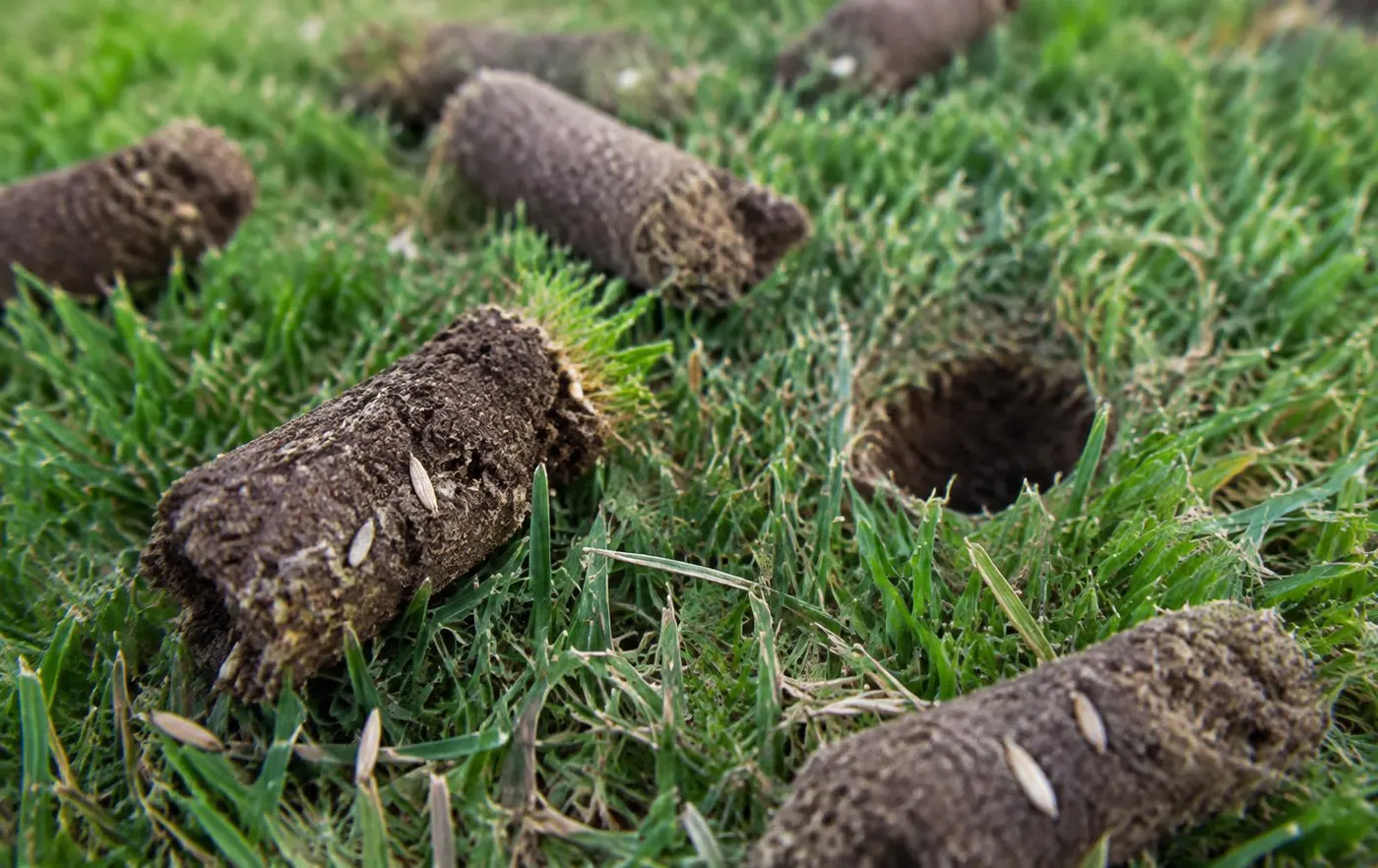
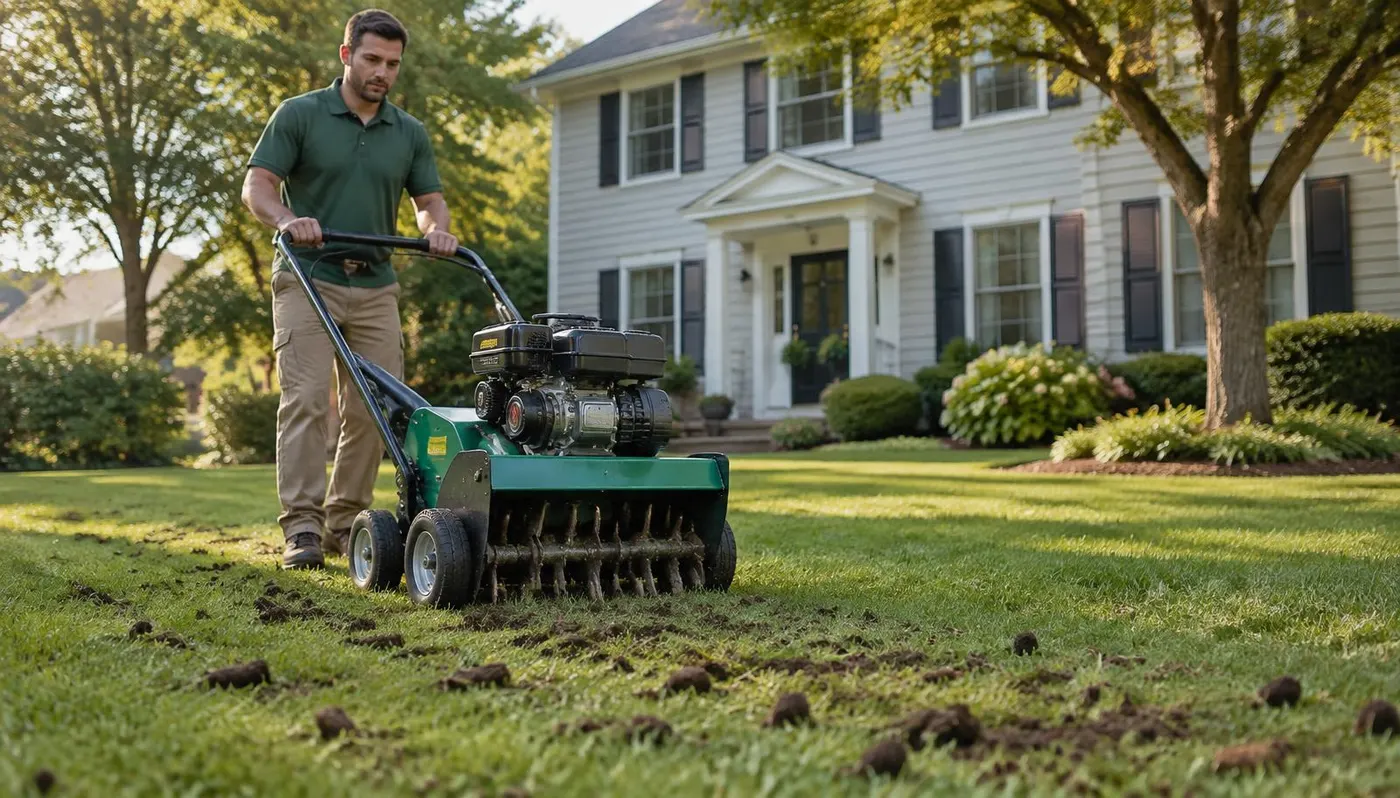
Core aeration intentionally removes small plugs of soil from the lawn. They may look untidy at first, but rain, irrigation, mowing, weather and normal lawn activity gradually break them apart, and the soil works its way back into the turf. Rutgers guidance supports leaving the cores on the lawn to break down naturally.
Should You Water Your Lawn After Aeration?
Usually, yes—but how you water depends on whether seed was also applied.
If You Aerated Without Seeding
Aeration can improve water movement into compacted surface soil. Keep watering based on the needs of the established turf and the current weather. There's no reason to start frequent, shallow watering simply because the lawn was aerated.
If You Aerated and Overseeded
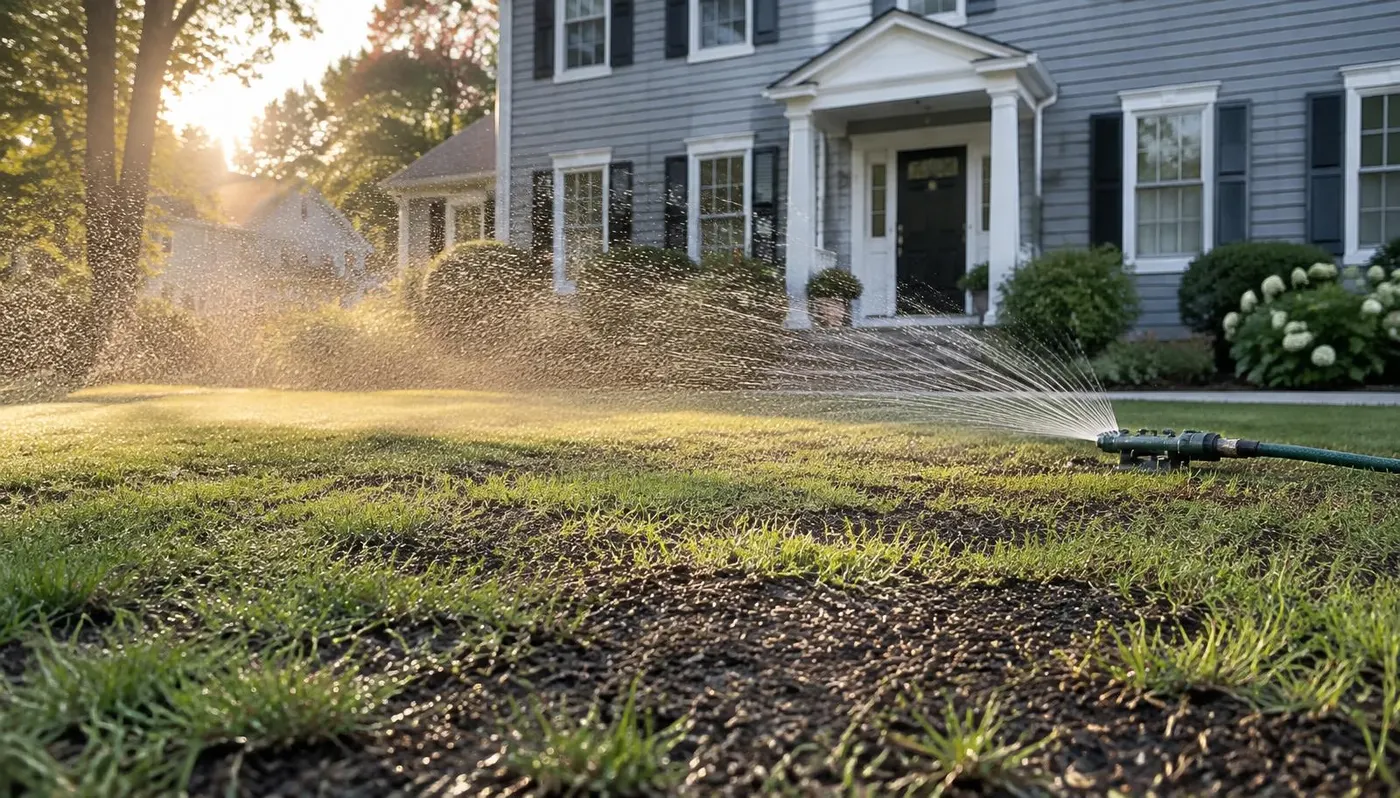
Now the strategy changes. The newly seeded surface should stay consistently moist during germination without becoming muddy or saturated—Rutgers points to keeping roughly the upper 2 inches of a new seedbed moist during establishment. As seedlings develop roots, irrigation should gradually become less frequent and deeper. Our guide to how to water new grass seed in New Jersey walks through each stage.
What If It Rains After Aeration?
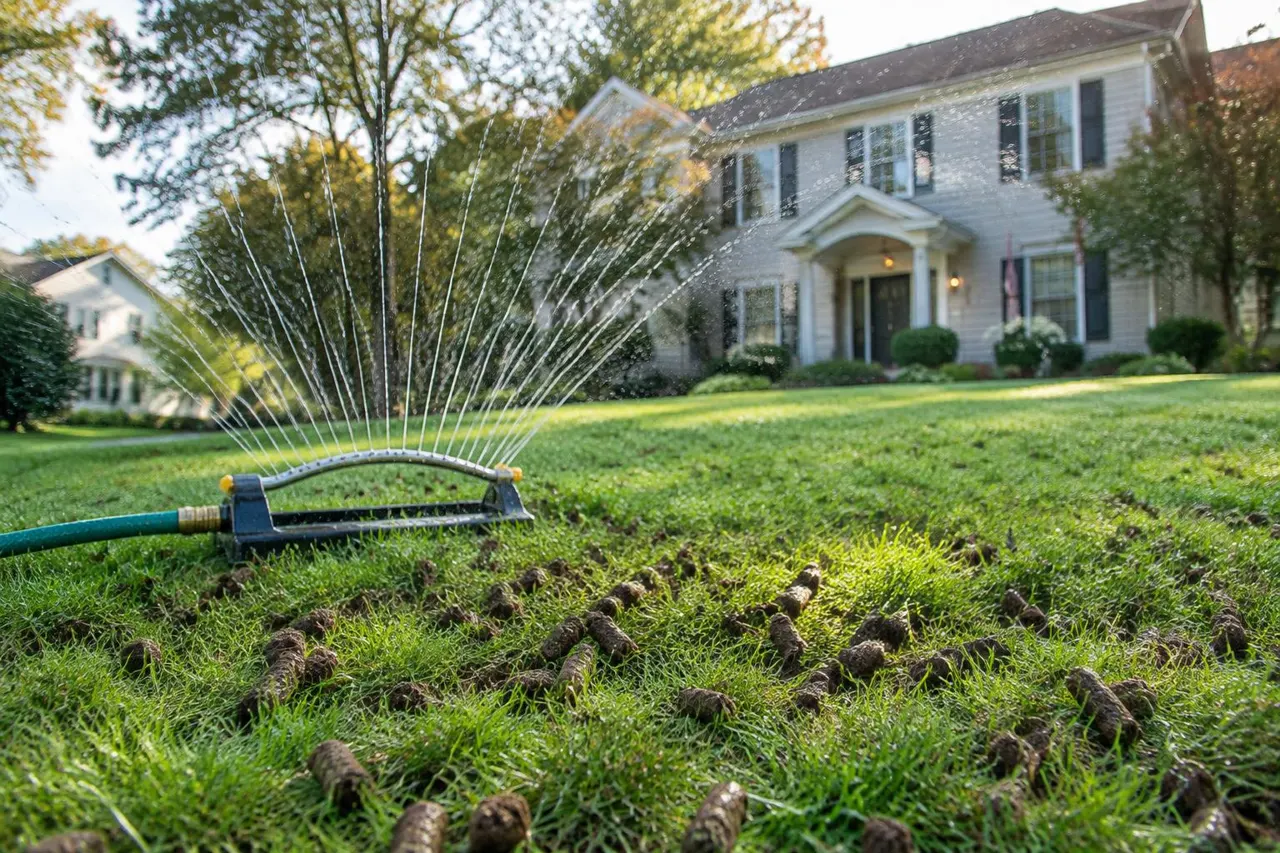
Rain is generally helpful after aeration and especially during seed establishment—but intensity matters. A gentle soaking rain provides useful moisture. A heavy downpour can create runoff, seed movement, erosion, water concentration and uneven moisture.
After heavy rain, inspect the lawn instead of automatically running the irrigation system. Look especially at slopes, bare areas, high spots, edges near pavement and places where water naturally collects. If the lawn was overseeded, small displaced areas may need touch-up seed.
When Can You Mow After Aeration?
Aeration Only
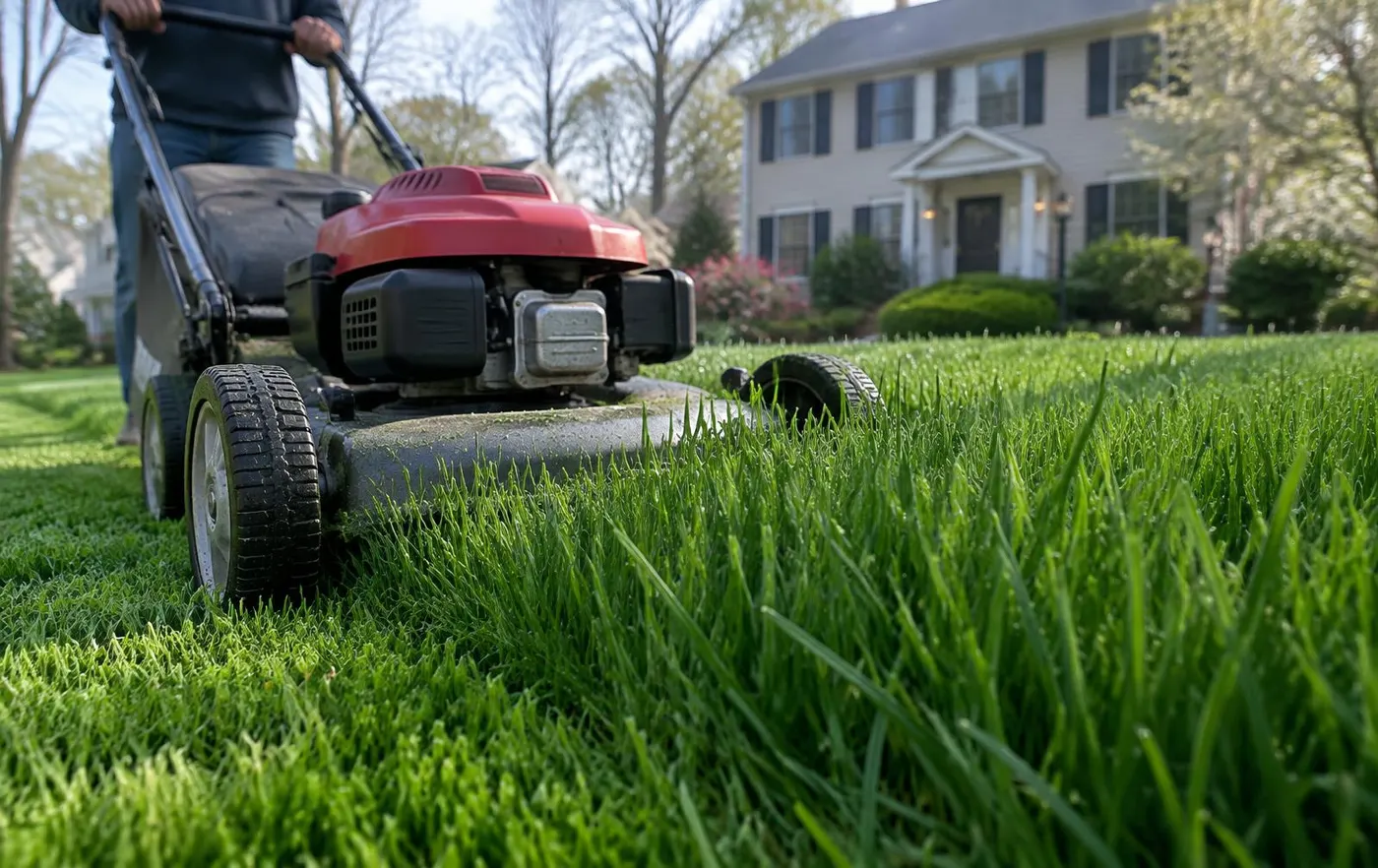
Core aeration by itself doesn't require you to stop mowing for an arbitrary number of days. Just wait until the lawn and soil surface are dry enough that mowing won't cause rutting or unnecessary damage.
Aeration + Overseeding
Be more cautious. Young seedlings need enough development and rooting to tolerate mower traffic, so don't rush to mow just because parts of the existing lawn are getting taller. When you do mow:
- Use a sharp blade
- Mow when the surface is reasonably dry
- Avoid aggressive turns
- Avoid scalping
- Remove only a reasonable amount of leaf tissue
For the right cutting height, see how high you should mow your lawn in New Jersey.
Can You Walk on the Lawn After Aeration?
For aeration alone, normal light use generally isn't a problem—but minimize heavy traffic right afterward, especially if the soil is wet. If the lawn was overseeded, reduce traffic as much as practical while seedlings germinate and establish. Watch for play areas, pets using the same path, delivery routes, landscape crews, mower traffic and frequent shortcuts. The goal isn't to make the lawn off-limits; it's to avoid repeatedly disturbing the areas you're trying to establish.
Should You Fertilize After Aeration?
Not automatically. Aeration doesn't mean the lawn needs fertilizer. Nutrient decisions should reflect the existing lawn program, time of year, soil conditions, soil-test information where appropriate, whether new turf is being established and New Jersey's fertilizer requirements. If GreenStripe already manages your lawn, follow the program recommendations rather than adding fertilizer on your own.
Should You Overseed After Aerating?
Core aeration and overseeding are commonly paired because aeration opens the turf and can improve seed-to-soil contact. But not every lawn needs seed—a dense lawn has different needs than a thin one with significant bare areas. For established cool-season lawns in Northern New Jersey, GreenStripe generally prefers late summer and fall for routine aeration and overseeding, which Rutgers identifies as the primary establishment period. More in the best time to aerate and overseed in New Jersey.
What If You Aerated Your Lawn in Spring?
If your lawn has already been aerated in spring, the aftercare principles above still apply. However, GreenStripe generally doesn't recommend routine spring core aeration and overseeding for established Northern New Jersey lawns.
Spring-seeded turf has a shorter window to establish before summer heat and drought stress. Spring renovation can also complicate crabgrass prevention and faces more competition from annual weeds—Rutgers notes that spring renovation is generally more difficult for this reason. We'd rather reserve routine aeration and overseeding for fall. If soil improvement makes sense in spring, compost topdressing is sometimes a better soil-focused investment. That said, there can be site-specific exceptions.
How Long Does a Lawn Take to Recover After Aeration?
There's no single guaranteed number of days. Holes and cores fade as the lawn receives rain, irrigation, mowing, normal growth and weathering—and the speed depends on soil type, moisture, temperature, turf growth, aeration intensity and time of year. The visual disruption is temporary. What matters more is what happens below the surface.
Look Below the Holes
Why Did Your Lawn Need Aeration in the First Place?
Aeration can improve conditions in the upper soil profile—but the bigger question is why the lawn needed help.
Soil Compaction
Traffic and certain soil conditions reduce pore space and restrict rooting. Core aeration is commonly used for shallow compaction in established lawns.
Poor Water Infiltration
Compacted soil and thatch can contribute to runoff. Core aeration can improve some infiltration problems.
Construction-Disturbed Soil
Shallow topsoil or compacted subsoil from construction. Aeration helps the surface but may not correct severe limitations below.
Heavy Traffic
Repeated foot, pet or equipment traffic can bring compaction back year after year.
Thin Turf
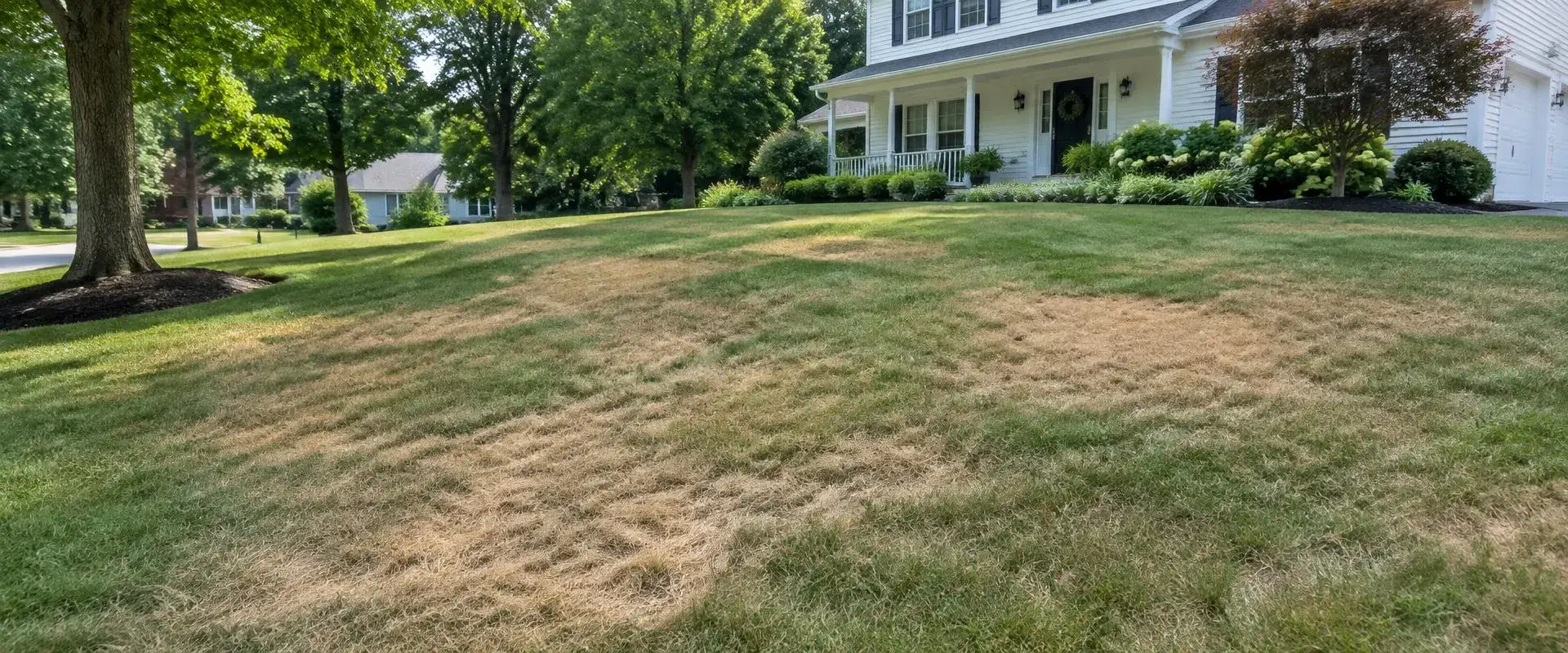
If turf keeps thinning, look at soil, water, sunlight, mowing, nutrition, disease, insects and traffic—not just another aeration.
Don't just ask “Did we aerate it?”Ask why the lawn was struggling in the first place.
Sometimes Aeration Isn't the Complete Solution.
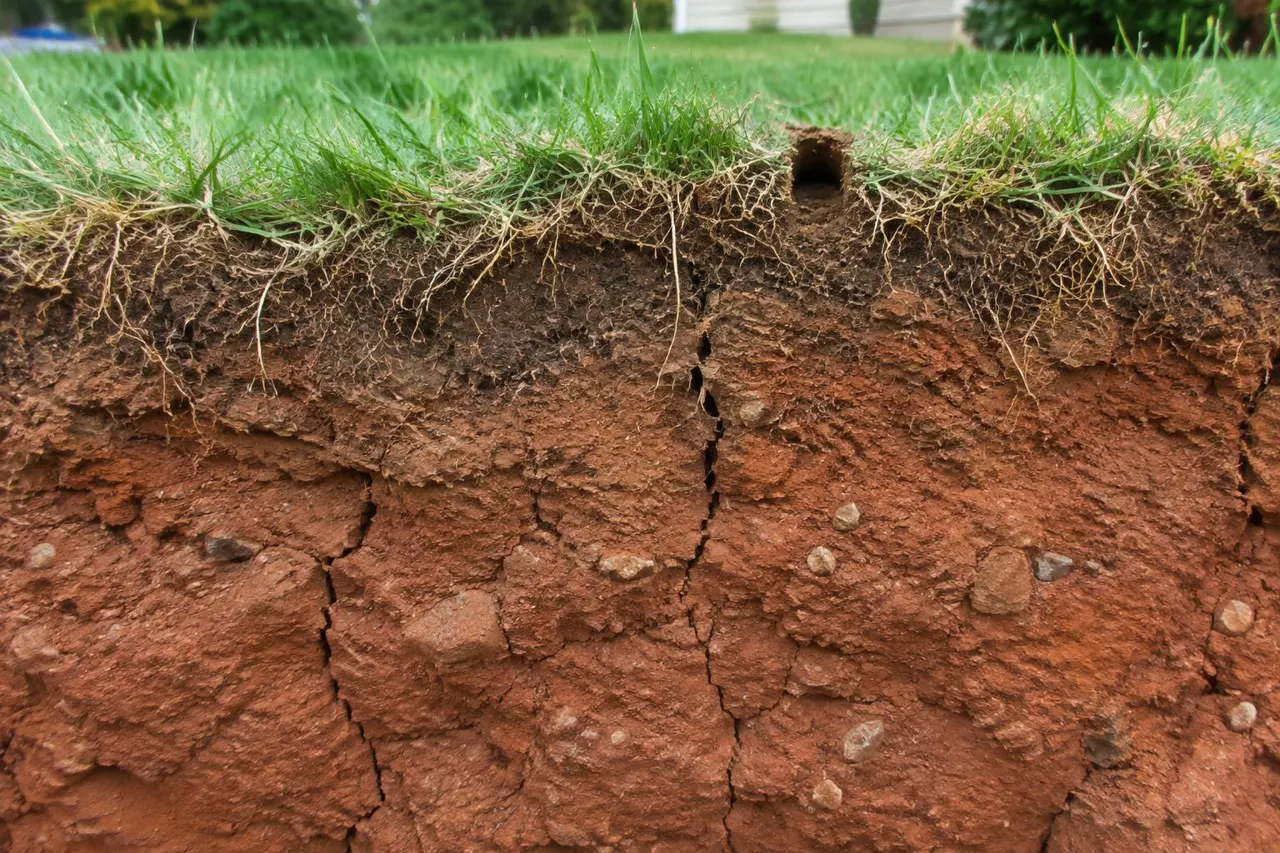
Core aeration mainly addresses the upper portion of the soil profile. Rutgers notes it can improve shallow compaction, while severe or deeper compaction may need more extensive correction. If a lawn keeps struggling despite aeration, investigate drainage, grading, deeper compaction, soil structure, shallow topsoil, irrigation, sunlight, nutrient availability and construction disturbance. That's where Signature Lawn Renovation, Soil Testing or New Build Soil Regeneration may make more sense.
5 Things We Wouldn't Do After Aeration
- 1.
Don't rake up the cores just because they look messy.. They break down on their own and return soil to the turf.
- 2.
Don't flood the lawn.. Moisture is useful. Saturation and runoff aren't.
- 3.
Don't scalp the grass.. Maintain an appropriate mowing height.
- 4.
Don't apply random products just because the soil is open.. Aeration isn't an invitation to use every fertilizer, herbicide or amendment in the garage.
- 5.
Don't ignore why the lawn needed aeration.. If the same area struggles every year, diagnose the underlying condition.
Quick Aftercare Guide
After Core Aeration
Soil Plugs
Leave them.
Water
Based on turf and weather conditions.
If Overseeded
Keep the seedbed consistently moist.
Mow
Don't scalp; use a sharp blade.
Traffic
Keep unnecessary traffic down.
Fertilizer
Follow the lawn's actual nutrient plan.
Rain
Inspect before automatically irrigating.
Patience
Let the process work.
Related Services
Local Lawn Care in Northern New Jersey
Keep Learning
After-Aeration Questions
Should I water immediately after aerating my lawn?
If the lawn was also overseeded, begin keeping the seedbed consistently moist—without puddling or runoff. If it was aerated only, simply continue watering based on the established turf's needs and the weather.
Should I pick up the plugs after aeration?
No. In most cases, leave them. Rain, irrigation, mowing and weather break the cores down and return the soil to the lawn.
Can I mow after aerating?
After aeration alone, mow once the surface is dry enough to avoid rutting. If the lawn was overseeded, wait until seedlings are developed enough to tolerate mowing, and use a sharp blade without scalping.
Can I walk on my lawn after aeration?
Light use is generally fine after aeration alone, but limit heavy traffic—especially on wet soil. If the lawn was overseeded, reduce traffic as much as practical while seedlings establish.
Should I fertilize after aerating?
Not automatically. Nutrient decisions should reflect your lawn program, time of year, soil conditions, soil testing where appropriate and New Jersey fertilizer requirements. GreenStripe customers should follow their program recommendations.
Should I overseed after aeration?
Only if the lawn needs it. Aeration can improve seed-to-soil contact, but a dense lawn may not need seed. For Northern New Jersey, late summer and fall are generally preferred for overseeding.
What happens if it rains after aeration?
Gentle rain is helpful. Heavy rain can cause runoff and move seed, so inspect slopes, edges and low spots before irrigating, and touch up small displaced areas if needed.
How long do aeration holes last?
It varies with soil, moisture, temperature, turf growth and time of year. The holes and cores fade gradually with rain, mowing and growth—the visual disruption is temporary.
What should I do after aerating in spring?
Follow the same aftercare principles. GreenStripe generally prefers fall for routine aeration and overseeding because spring seedings face summer stress and more weed competition, though site-specific exceptions exist.
Does aeration fix compacted soil?
Core aeration can improve shallow compaction in the upper soil. Severe or deeper compaction, poor subsoil or construction-disturbed soil may need more extensive correction.
Can you aerate too much?
Aerating repeatedly without addressing the cause of the problem isn't productive. If an area keeps struggling, diagnose soil, water, sunlight, mowing, nutrition, pests and traffic.
Should I aerate every year?
It depends on the lawn. High-traffic or compacted lawns may benefit regularly; others may not need it. The better question is why the lawn needs aeration in the first place.
Sources & further reading
- Rutgers NJAES — Seeding Your Lawn (FS584)
- Rutgers NJAES — Renovating Your Lawn (FS108)
- Rutgers NJAES — Assessing and Addressing Soil Compaction in Your Yard (FS1313)
- Rutgers NJAES — Best Management Practices for Watering Lawns (FS555)
- Rutgers NJAES — Your Lawn and Its Care (FS102)