
Aeration & Seeding
How to Water New Grass Seed in New Jersey
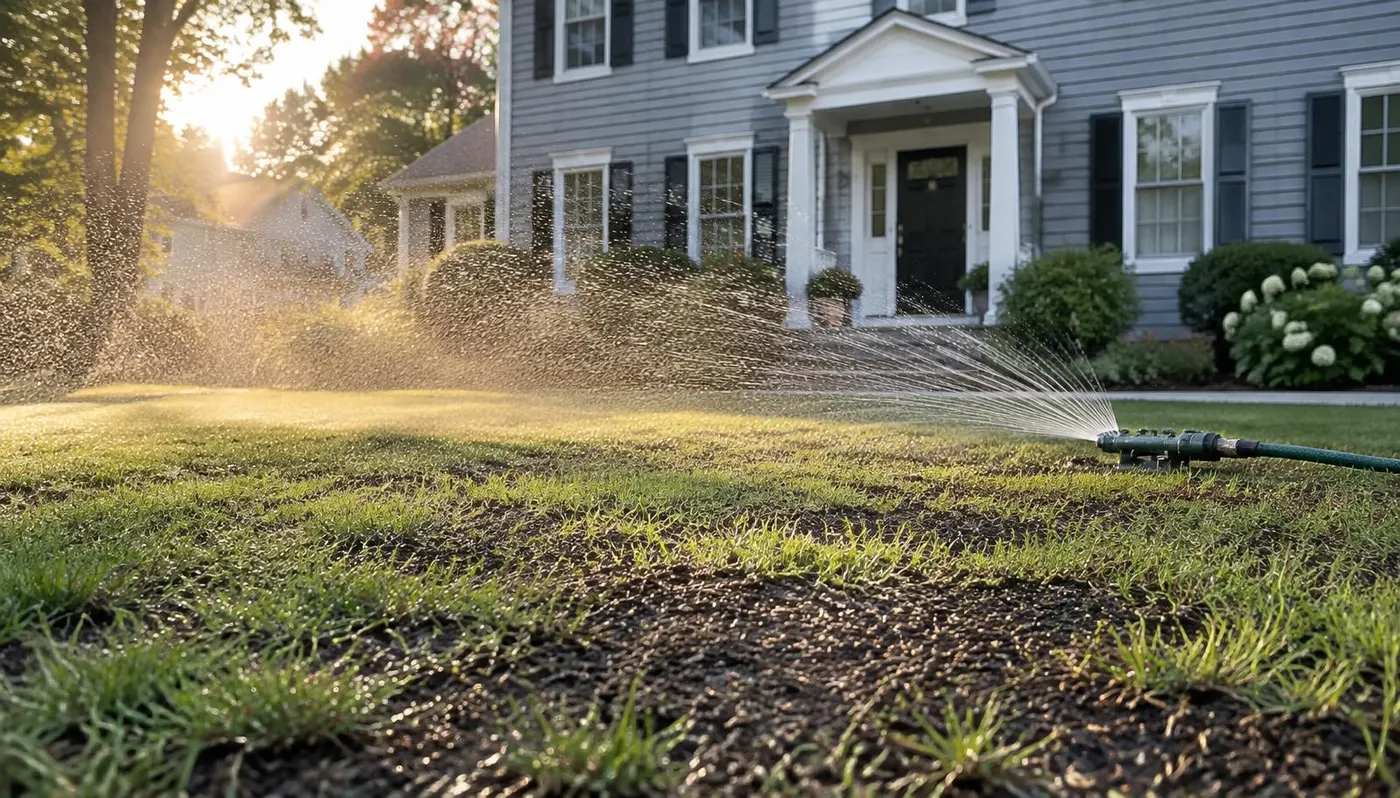
Watering is one of the biggest factors in successful grass establishment—but there's no universal number of minutes that works for every lawn. The goal is simple: keep the newly seeded surface consistently moist while the seed germinates, then gradually transition toward deeper watering as the new grass develops roots. Getting that transition right matters more than blindly following a timer.
GreenStripe Lawn Advice
Reviewed by the GreenStripe Turf Team
Last updated:
On This Page
The Short Answer
Keep the Seedbed Moist—Not Soaked.
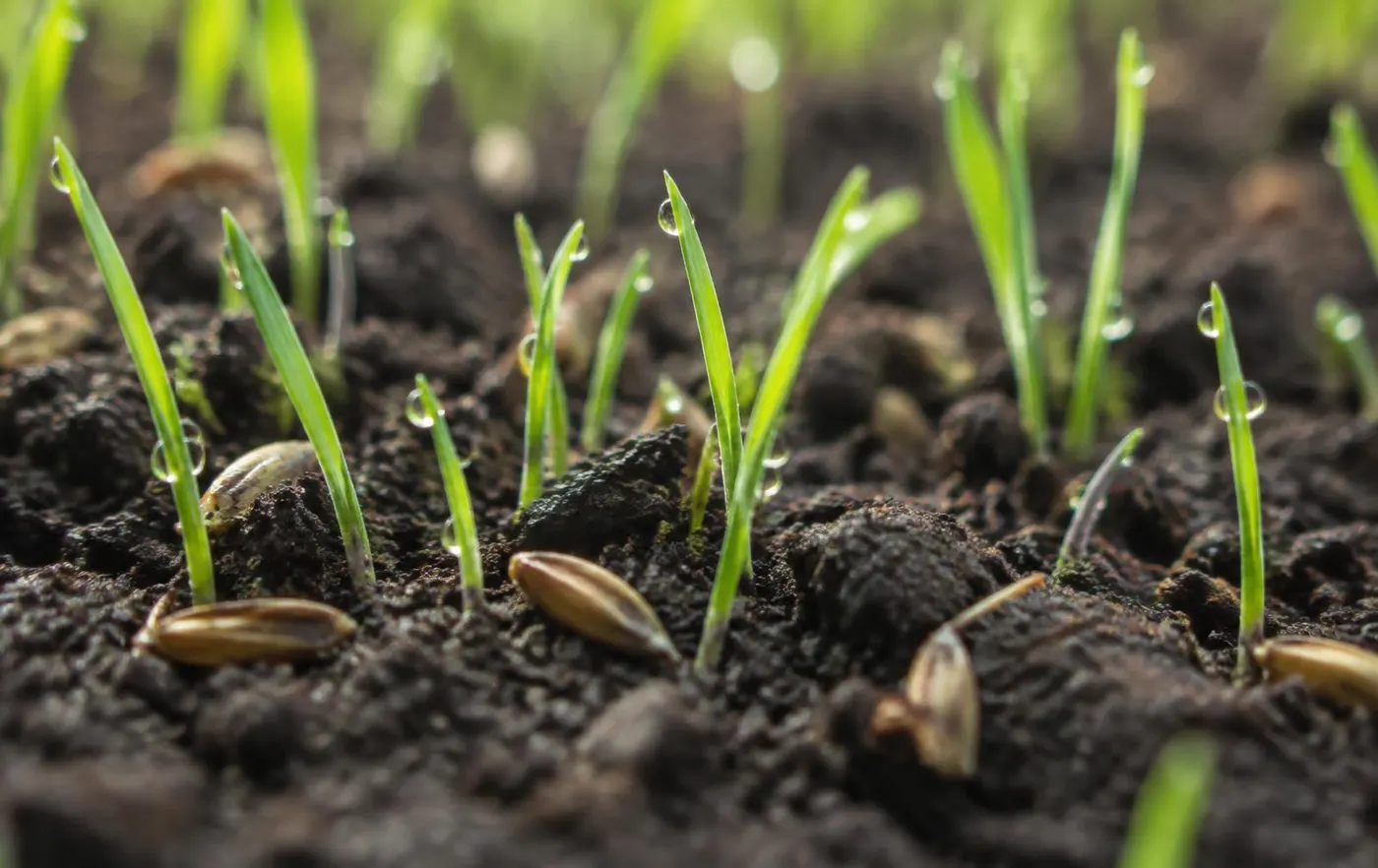
New grass seed needs reliable moisture near the soil surface while it germinates. Rutgers recommends keeping roughly the top 2 inches of newly seeded soil moist through rainfall or irrigation and minimizing drying before good root establishment. But too much water causes problems too. The goal isn't “water X minutes every day.” It's moist (not dry), not saturated (not muddy), and evenly watered (not puddled in one spot and dry in another). As seedlings establish roots, watering should become less frequent and deeper.
- 1Germinating seed: frequent moisture near the surface
- 2Young seedling: maintain moisture while roots develop
- 3Establishing turf: gradually deeper + less frequent
Why New Grass Seed Needs Different Watering
Established turf already has roots extending into the soil. New seed doesn't. During germination, the seed and emerging seedling depend heavily on moisture right near the surface—and that upper layer can dry much faster than the deeper root zone of an established lawn.
That's why watering that's right for an established lawn isn't necessarily right immediately after seeding.
Established Lawn
Roots reach deeper moisture
- Deeper root system
- Moisture available deeper in the soil
- Less frequent, deeper watering
Newly Seeded Lawn
Surface moisture matters most
- Seed sits near the soil surface
- Very shallow developing roots
- Surface can dry out in hours
How Watering Should Change as New Grass Develops
Germination speed varies by grass species, temperature, moisture and site—so think in stages, not days.
- 1.
After Seeding
Goal: thoroughly moisten the seedbed without causing runoff.
Use gentle irrigation. Water moving aggressively across the surface can move seed—especially on slopes or bare areas.
- 2.
During Germination
Goal: keep the upper soil consistently moist.
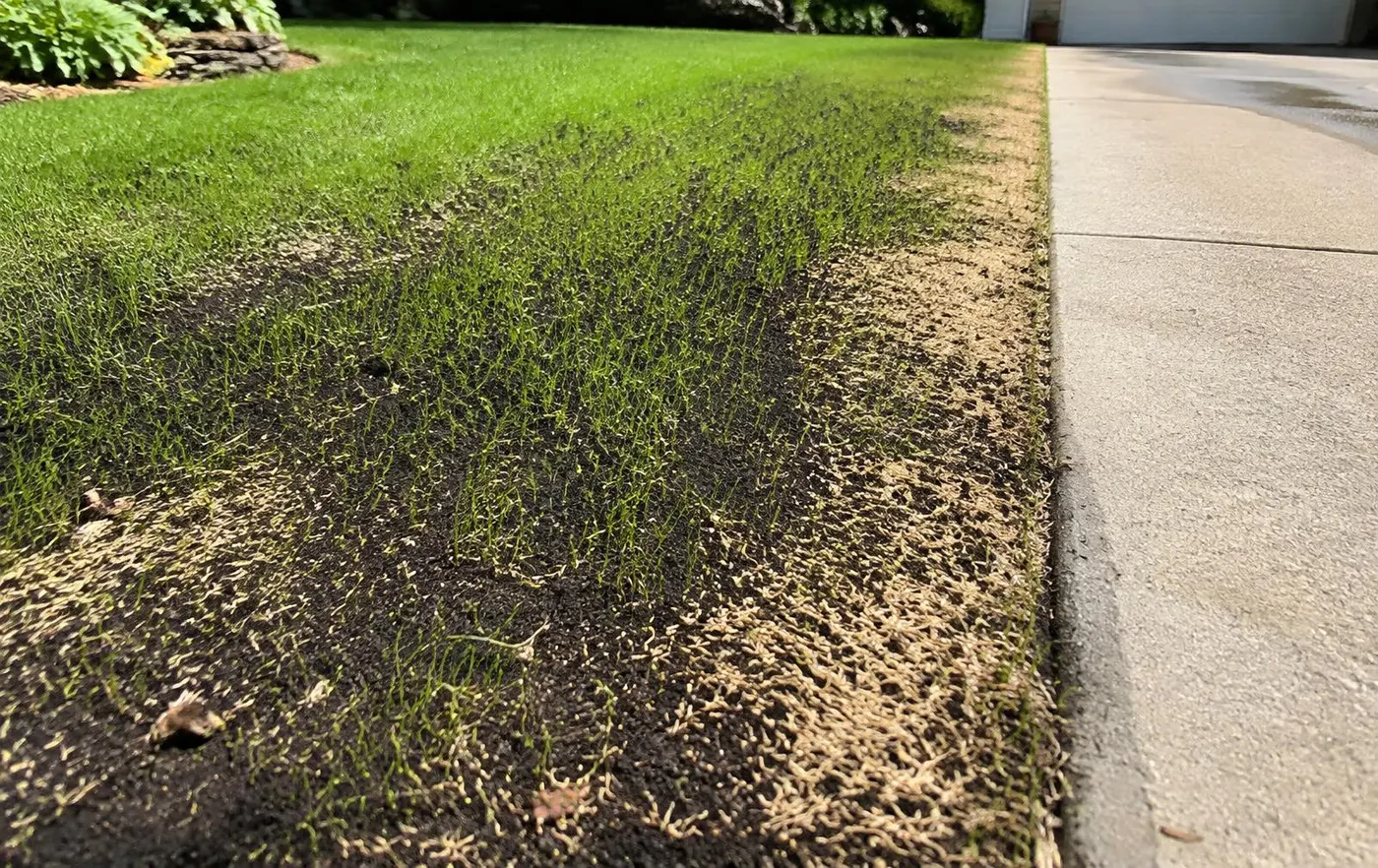
This stage needs the most attention. Sunny spots, slopes, high spots and pavement edges dry faster; shade stays moist longer. Moist doesn't mean muddy.
- 3.
After Germination
Goal: begin encouraging deeper roots.
Gradually reduce frequency while letting moisture reach deeper. Don't stop abruptly just because green seedlings are visible.
- 4.
Establishing Turf
Goal: transition toward normal lawn watering.
As roots strengthen, water less frequently and more deeply—rather than frequent surface watering forever.
Quick Field Check
Don't Just Check the Sprinkler. Check the Soil.
A sprinkler running doesn't necessarily mean the seedbed is getting enough water. Gently check the upper soil in an inconspicuous spot—without digging into germinating seed. During establishment it should feel consistently moist, not muddy or waterlogged.
Reading the seedbed
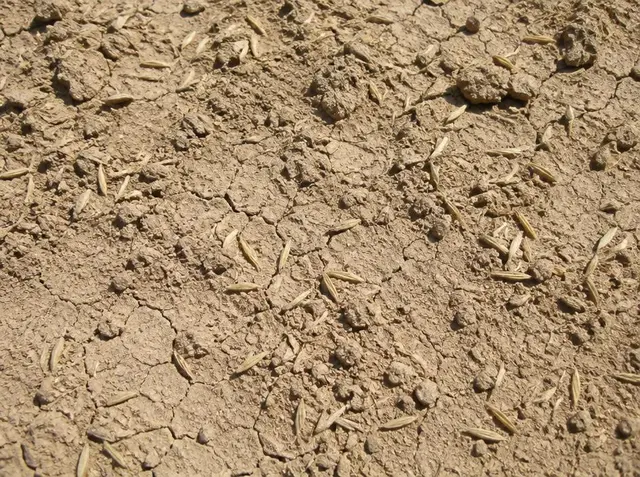
Dry
Light-colored surface — needs attention
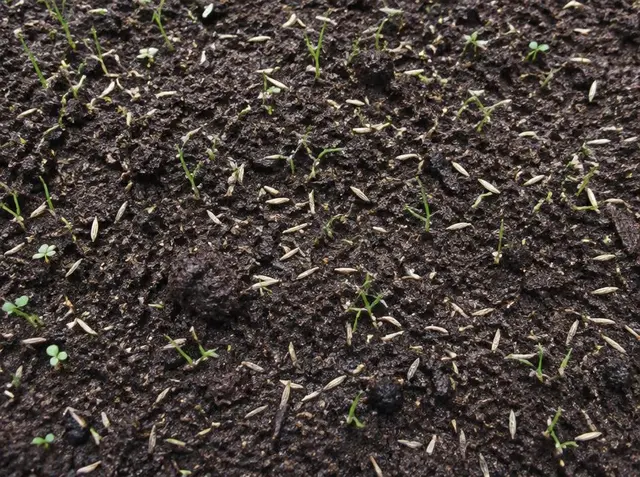
Moist
Darker soil — target condition
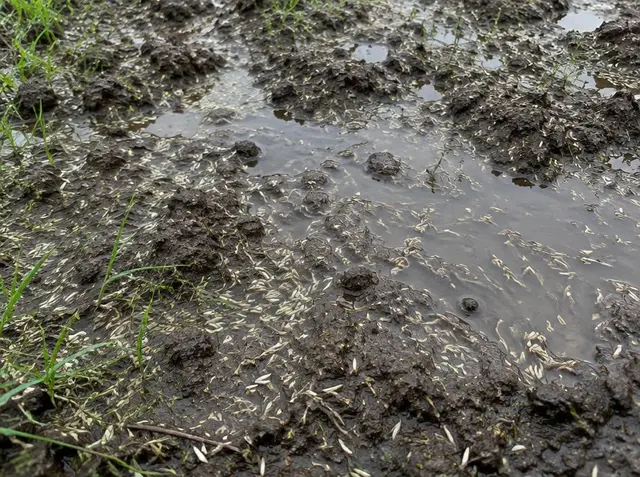
Muddy
Puddled — too much water
So… How Often Should You Water Grass Seed?
There's no universal schedule. The number of watering cycles depends on sprinkler output, soil type, temperature, wind, sunlight, shade, slope, rainfall, seedbed preparation and stage of establishment. A sunny slope on a warm, windy day can dry far faster than a shaded lawn on a cool, cloudy one.
What time of day should you water new grass seed?
Established lawns are generally watered most efficiently late at night through early morning, and prolonged evening leaf wetness can contribute to disease. Newly seeded turf is different: surface moisture has to be maintained. During warm, dry or windy weather, a lighter watering later in the day may sometimes be needed to keep the seedbed from drying. Just avoid leaving the area saturated overnight.
Look Beyond the Sprinkler
“I Watered It. Why Didn't the Seed Grow?”
Poor establishment doesn't automatically mean you failed to water. Water is critical—but it's only one part of establishment.
Poor Seed-to-Soil Contact
Seed sitting loosely on dense turf, debris or heavy thatch may struggle even when watered.
Unequal Irrigation Coverage
One zone may leave dry areas between heads or along edges. Look for patterns.
Runoff or Washout
Slopes and heavy rain can move seed or soil—you may be watering enough and still losing seed.
Soil Conditions
Compaction, drainage limitations or poor soil can affect establishment and root development.
Sun & Heat
Sunny exposures and pavement edges can dry far faster than shaded parts of the same lawn.
Shade
Shade slows drying, but too little light limits long-term turf. More water doesn't solve insufficient sunlight.
Seed Type
Cool-season species germinate at different rates. Uneven emergence doesn't automatically mean failure.
Weather
Temperature, rainfall, humidity and wind can dramatically change establishment conditions.
Don't just ask, “Did I water?”Ask, “Did the seed have the conditions it needed to establish?”
What If It Rains After You Seed?
Rain can be extremely helpful—but intensity matters. A gentle soaking rain may reduce the need for irrigation. A short downpour may run off without evenly moistening the seedbed, and heavy rain can move seed, especially on slopes, bare soil or areas with poor seed-to-soil contact.
Don't automatically run irrigation just because it's programmed. Check the lawn after rain. If the soil is still adequately moist, you may not need to water. If rainfall was uneven or ran off, some areas may still need attention.
What should you do if heavy rain moves the seed?
First, don't assume the whole lawn needs reseeding. Inspect after the storm for visibly bare areas, seed collected at the bottom of slopes, erosion channels, displaced soil, spots where water concentrated and obvious differences from the surrounding seeded turf.
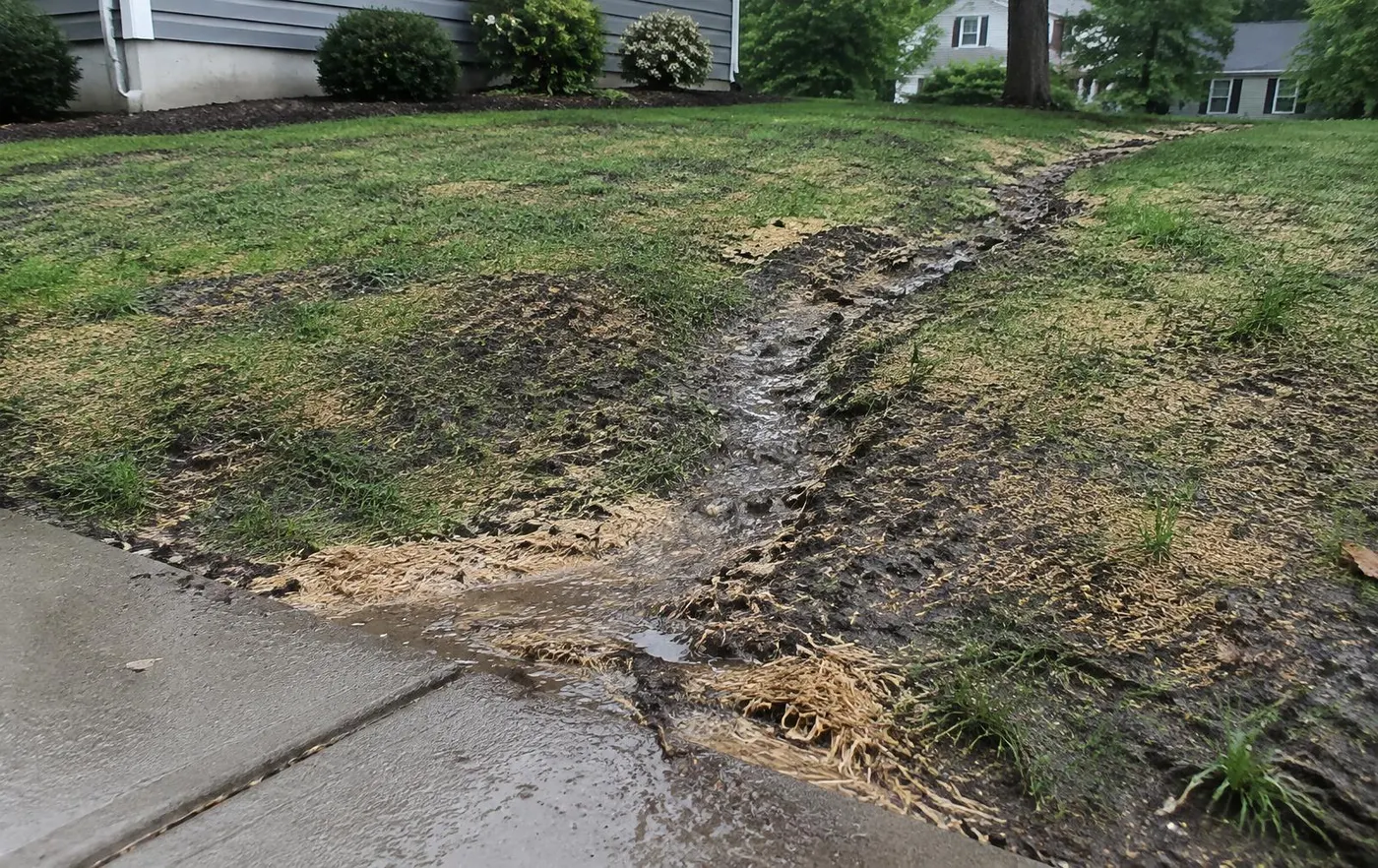
Small affected areas may simply need touch-up seed. Significant or repeated washout can point to a drainage, grading or runoff issue that more seed alone won't solve. Don't just replace the seed—ask why it moved.
Can You Water New Grass Seed Too Much?
Yes. Signs of excessive watering include puddling, consistently muddy soil, runoff, erosion, seed displacement and saturated conditions that last for long periods. The objective is consistent moisture with enough soil oxygen—not a permanently saturated seedbed.
Too Dry
Seedbed repeatedly dries
Just Right
Consistently moist
Too Wet
Muddy / saturated / runoff
When Can You Mow New Grass?
Let seedlings develop enough height and rooting to tolerate mowing—don't mow very young seedlings just because some parts of the lawn grew faster. When you do mow, use a sharp blade, wait until the soil is dry enough that the mower won't rut or disturb seedlings, avoid sharp turns on new turf and follow appropriate mowing heights for your grass.
When can you stop watering new grass every day?
Not by calendar date alone. As seedlings build stronger roots, gradually extend the time between waterings while watering more deeply. The long-term goal isn't a lawn that depends on daily surface watering—it's deeper roots and greater resilience.
New Seed Watering Troubleshooting
- 1.
Seedbed looks dry by afternoon. Check sun exposure, wind, sprinkler coverage and frequency.
- 2.
Water is puddling. Apply less per cycle and evaluate how well water soaks in.
- 3.
Seed moved downhill. Check runoff, slope, rainfall intensity or irrigation rate.
- 4.
One area isn't germinating. Check coverage, seed-to-soil contact, moisture, sunlight and soil conditions.
- 5.
Grass germinated but looks weak. Continue establishment care and evaluate growing conditions rather than simply adding more water.
Related Services
Local Lawn Care in Northern New Jersey
Keep Learning
New Grass Seed Watering Questions
How often should I water new grass seed?
There is no universal number of times per day. During germination, the goal is to keep the upper seedbed consistently moist without creating muddy or saturated conditions. Weather, soil, sprinkler output, shade and slope all affect how often irrigation is needed.
How long should I run my sprinklers after overseeding?
Rather than relying on one universal number of minutes, run irrigation long enough to appropriately moisten the newly seeded surface without causing puddling or runoff. Sprinkler output varies significantly from property to property.
Should grass seed stay wet all day?
The seedbed should remain consistently moist during germination, but it should not remain waterlogged or muddy. Some temporary surface drying can occur, but repeated drying before good root establishment can reduce success.
Can you overwater grass seed?
Yes. Excessive irrigation can create saturated soil, puddling, runoff, erosion and seed displacement. Consistent moisture—not flooding—is the objective.
Should I water grass seed if it rains?
Not automatically. Check the seedbed after rainfall. If it remains adequately moist, additional irrigation may not be necessary. Rainfall intensity and coverage can vary significantly.
What if heavy rain washes away my grass seed?
Inspect the lawn first. Small areas may only require touch-up seed. Significant or repeated washout may indicate a runoff, grading or drainage problem that additional seed alone will not solve.
When can I water new grass less frequently?
As seedlings develop roots and become established, gradually reduce irrigation frequency and begin watering more deeply. Make the transition based on turf development and soil moisture rather than a fixed calendar date.
Why hasn't all my grass seed germinated at the same time?
Different turfgrass species germinate at different rates, and temperature, moisture, seed-to-soil contact, sunlight and other site conditions can also affect establishment.
Sources & further reading
- Rutgers NJAES — Seeding and establishing cool-season lawns in New Jersey
- Rutgers NJAES — Watering newly seeded turf: seedbed moisture and root establishment
- Rutgers NJAES — Best Management Practices for Watering Lawns
- Rutgers NJAES — Fall lawn renovation and overseeding