
Soil & Nutrition
What a Soil Test Actually Tells You (And Why NJ Lawns Need Lime & Potassium Before Winter)
Northern New Jersey soils lean acidic, and acidic soil holds back the nutrients you already paid for. Here's what a soil test measures, what lime and potassium do, and why fall is the time to act.
GreenStripe Lawn Advice
Reviewed by the GreenStripe Turf Team
Last updated:
On This Page
The Short Answer
Test First. Then Lime and Feed Before the Ground Freezes.
Many Northern New Jersey lawns test below the pH range cool-season grasses prefer (roughly 6.0–7.0). When soil is too acidic, fertilizer you apply is used less efficiently. A soil test tells you whether you need lime, how much, and whether potassium is low. Fall is a practical time to correct both, because lime needs months to work and potassium supports turf heading into winter.
Don't guess. Test.
Light maintenance lime keeps balanced soil steady. Corrective lime and extra potassium should follow what a soil test shows. The test replaces guesswork with numbers.
Why Northern New Jersey Soil Drifts Acidic
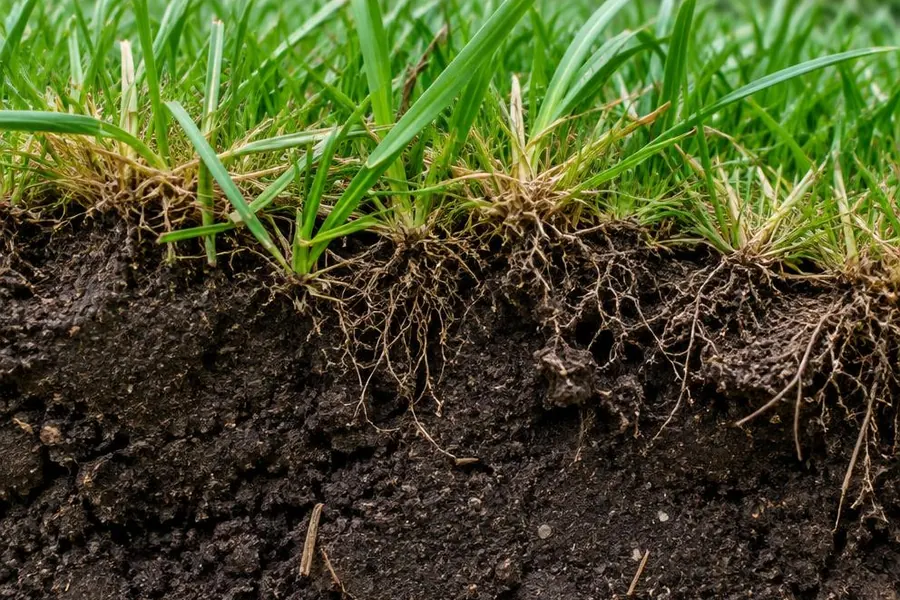
Rutgers notes that many New Jersey soils are naturally acidic. Rainfall slowly leaches calcium and magnesium out of the root zone, and nitrogen fertilizers add acidity over time. Clay-heavy suburban soils and shaded lawns under oaks and pines are common places we see low readings.
What Pushes pH Down
Rain & Leaching
Ongoing
New Jersey gets plenty of rain. Over years, it carries base minerals like calcium down and out of reach.
Fertilizer Over Time
Gradual
Nitrogen fertilizers have an acidifying effect. Lawns fed for years without lime can slowly drift lower.
Native Soil & Fill
Site-Specific
Parent soils, construction fill and tree cover all vary street to street, which is why one neighbor's answer may not be yours.
What a Soil Test Actually Tells You
The Numbers That Matter on a Lawn Soil Report
Soil pH
How acidic or alkaline the soil is. It affects how available nutrients are to grass roots.
Lime Requirement
Labs often use a buffer pH to estimate how much lime it would take to raise pH, which is why two lawns at the same pH can need different amounts.
Potassium (K) & Phosphorus (P)
Levels of key nutrients, usually reported as low, optimum or above optimum. New Jersey law limits phosphorus on lawns unless a soil test shows a need or you're seeding.
Calcium & Magnesium
Base minerals that also guide whether calcitic or dolomitic limestone is the better fit.
CEC & Organic Matter
Cation exchange capacity shows how well soil holds nutrients. Organic matter supports structure, water holding and soil life.
Without these numbers, lime and fertilizer are educated guesses at best.
What Lime Does (And Why It Takes Time)
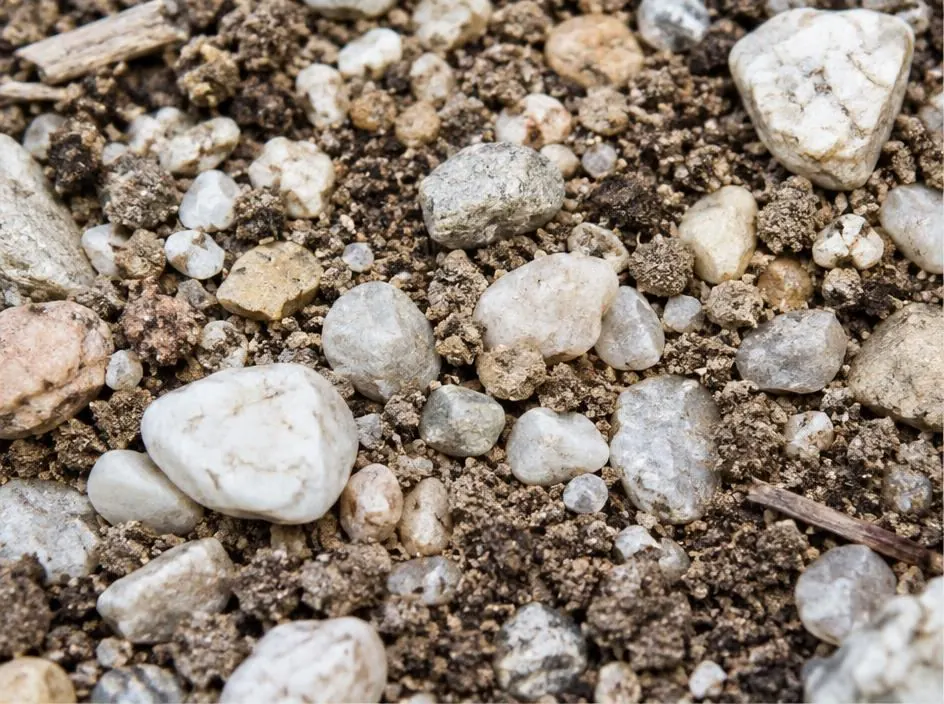
Agricultural limestone (calcium carbonate) reacts gradually in the soil. It isn't a quick green-up product, and it doesn't replace fertilizer. There are two very different ways it gets used on a lawn: light maintenance amounts and full corrective applications.
Maintenance Lime vs. Corrective Lime
Maintenance Lime
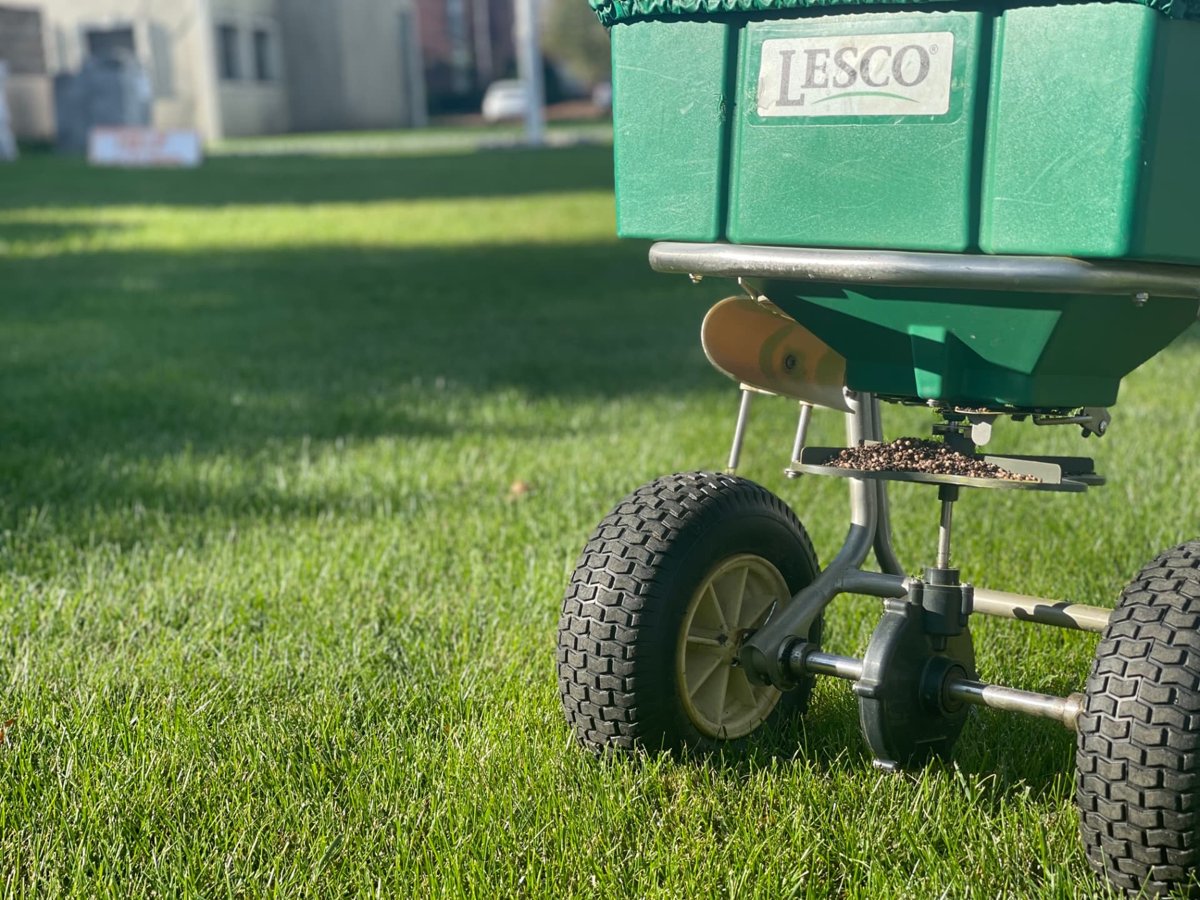
A light amount of calcium carbonate applied routinely, at GreenStripe on the first and last applications of the season.
Its job is to offset the mild acidifying effect of a season of feeding and rain, helping keep balanced soil steady. It isn't meant to change pH much.
Corrective Lime
Larger amounts applied to actively raise a low pH.
This should only be done after a laboratory soil test confirms the need and sets the rate and type of limestone.
Maintenance lime keeps things steady. Corrective lime changes the soil, and that takes a test.
Because lime works slowly and doesn't burn turf, fall and early winter are practical times for corrective applications. Rain, snowmelt and freeze-thaw cycles help move it into the soil before spring growth. Rutgers recommends splitting larger amounts on established lawns into several applications rather than putting it all down at once.
Why Potassium Matters Heading Into Winter
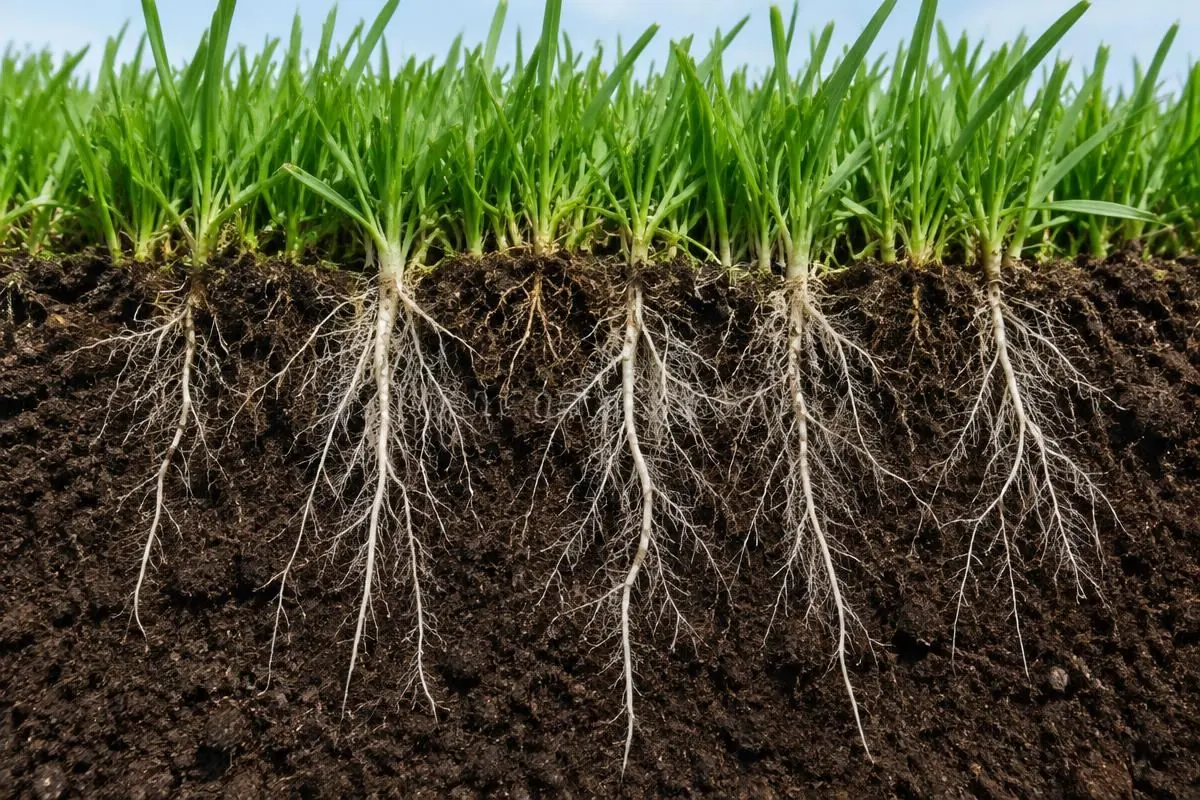
Potassium doesn't make grass greener the way nitrogen does, so it's easy to overlook. It plays a role in how turf manages water and handles stress, and university research links adequate potassium to better tolerance of cold, drought, traffic and some diseases. When a soil test shows potassium is low, fall is a sensible time to correct it.
Stress Tolerance
Adequate potassium supports turf through cold, heat and drought stress.
Water Management
Potassium helps regulate how grass plants use and hold water.
Wear & Recovery
Better-fed turf tends to handle foot traffic and recover more easily.
Why Fall Is the Window
Soil Test & Amendment Window
Spring
Possible, but lime has less time to work before summer stress
Summer
Heat and drought stress; focus on watering
Fall
Test, lime and feed while soil is workable
Winter
Lime keeps reacting; ground often frozen for sampling
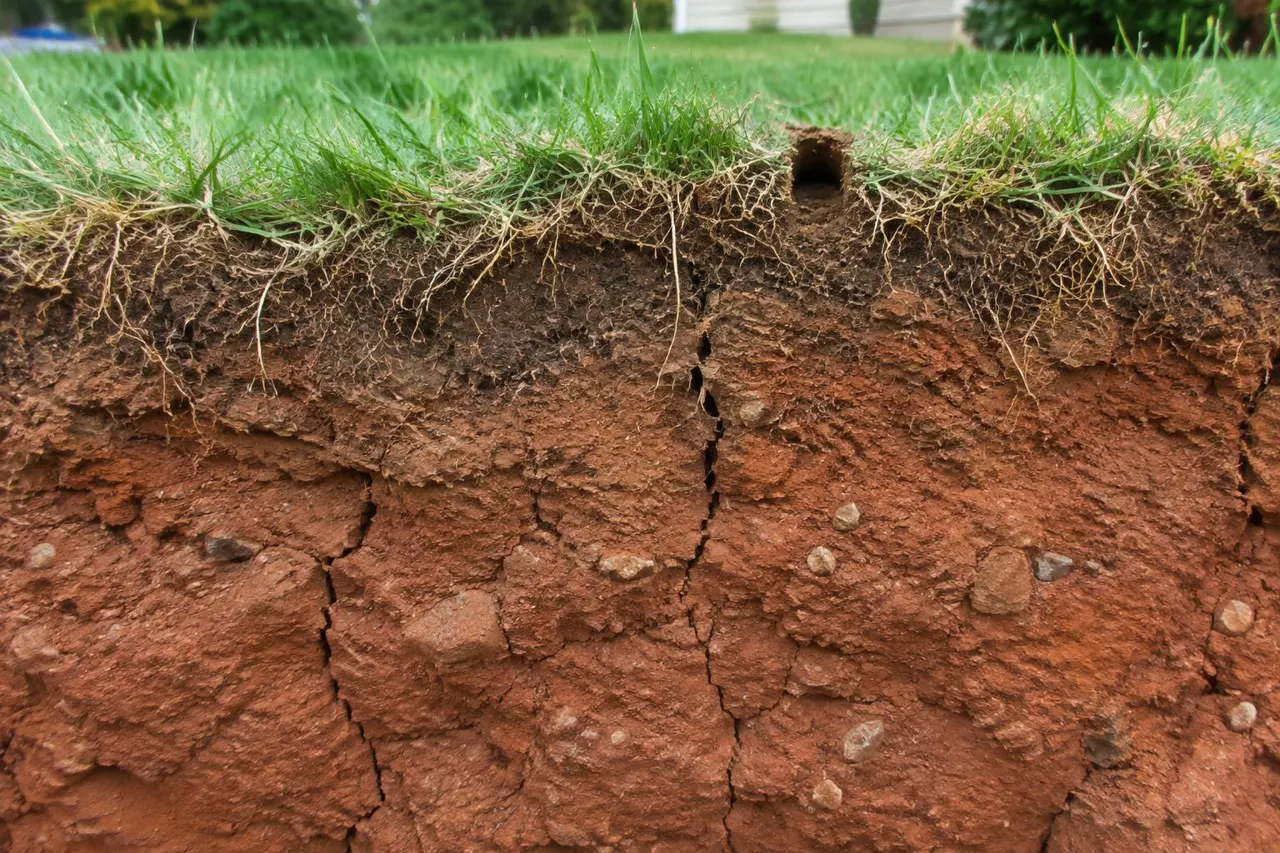
Cool-season grasses keep building roots in fall after top growth slows. Correcting pH and potassium now means the soil is in better shape when spring growth begins, instead of trying to catch up in April. Once the ground freezes, sampling gets difficult, so we pull most fall samples before December.
How GreenStripe Uses Your Soil Test
From Sample to Plan
- 1.
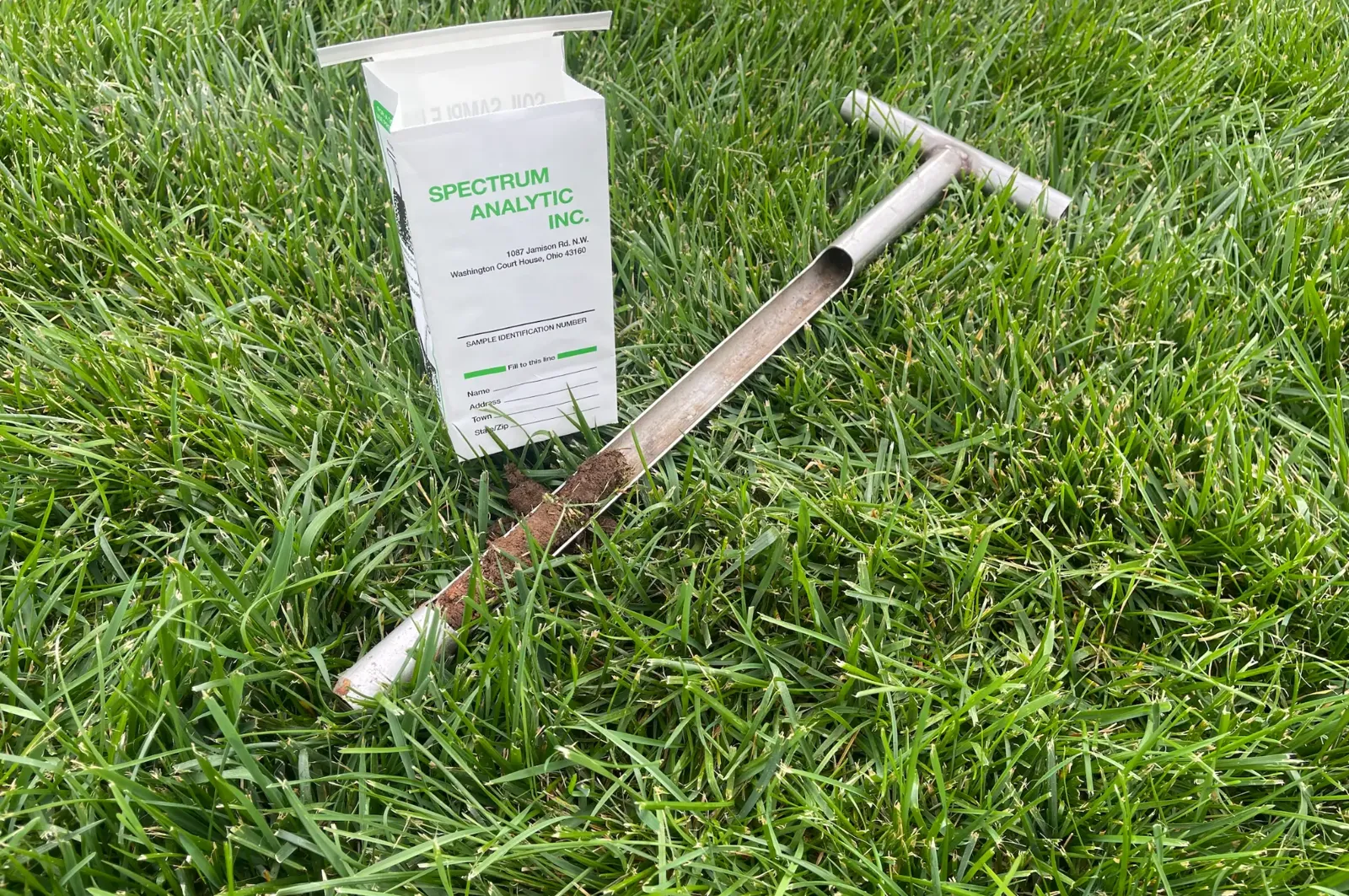
Pull Cores
We take multiple probe cores across the lawn's root zone to build one representative sample.
- 2.
Lab Analysis
The sample goes to a soil lab for pH, lime requirement, nutrients, CEC and organic matter.
- 3.
Read the Report
We review the numbers with your lawn's conditions: sun, shade, soil type and history.
- 4.
Build the Program
Maintenance lime stays in the routine. Corrective lime, extra potassium and other amendments are added only where the report shows a need.
Related Services
Local Lawn Care in Northern New Jersey
Keep Learning

Soil Testing & Lime Questions
What pH should my lawn be?
Most cool-season lawn grasses in New Jersey do best in a slightly acidic to neutral range, roughly 6.0–7.0. Your soil test report shows where you are and whether lime is recommended.
Can I lime my lawn in late fall or winter?
Yes. Lime works slowly and won't burn turf, so fall and early winter are common times to apply it. Avoid spreading on frozen or snow-covered ground where it can wash off.
Does every lawn need lime?
Many programs, including GreenStripe's, include a light maintenance amount of lime on the first and last applications to offset the acidifying effect of seasonal feeding. That keeps pH steady rather than changing it. Full corrective lime, meant to raise a low pH, should only be applied when a soil test shows the need.
How long does lime take to work?
Lime reacts gradually, often over several months. That's one reason fall applications make sense ahead of spring growth.
Why does potassium matter in fall?
Potassium supports turf's ability to handle stress, including cold and drought. When a soil test shows it's low, fall is a sensible time to correct it.
How often should I test my lawn's soil?
Every two to three years is a common guideline, or more often if you're correcting a pH or nutrient problem.
Is a soil test included with GreenStripe programs?
Yes. A complimentary laboratory soil test ($95 value) is included with GreenStripe lawn programs.
Sources & further reading
- Rutgers NJAES — Soil Testing for Home Lawns and Gardens
- Rutgers NJAES — Liming Turfgrass Areas (FS905)
- Rutgers NJAES — Fertilizing Cool-Season Lawns in New Jersey (FS635)
- Penn State Extension — Soil Acidity and Aglime