Programs & Pricing
The Real Cost of Lawn Care in New Jersey: What You're Actually Paying For
Two lawn programs can look identical on paper and cost very different amounts. Here's what actually drives the price—what's in the bag, what's in the sprayer, who's on your lawn, and how fast someone answers when you text—plus the math behind 50%-off and "free application" offers.
GreenStripe Lawn Advice
Reviewed by the GreenStripe Turf Team
Last updated:
On This Page
The Short Answer
Lawn care prices differ because the materials, the people and the process differ.
Your price is set mostly by your treatable lawn size, its current condition and how complete the program is. Beyond that, the difference between a cheap program and a premium one is what goes into the bag and the sprayer, who applies it, and how well the company communicates with you.
The cheapest application is rarely the cheapest lawn.
Weak inputs and rushed visits usually get paid for later—in reseeding, weeds and lost seasons.
What Actually Sets Your Price
Before comparing companies, it helps to know what any honest proposal is built on. These four things matter more than any coupon.
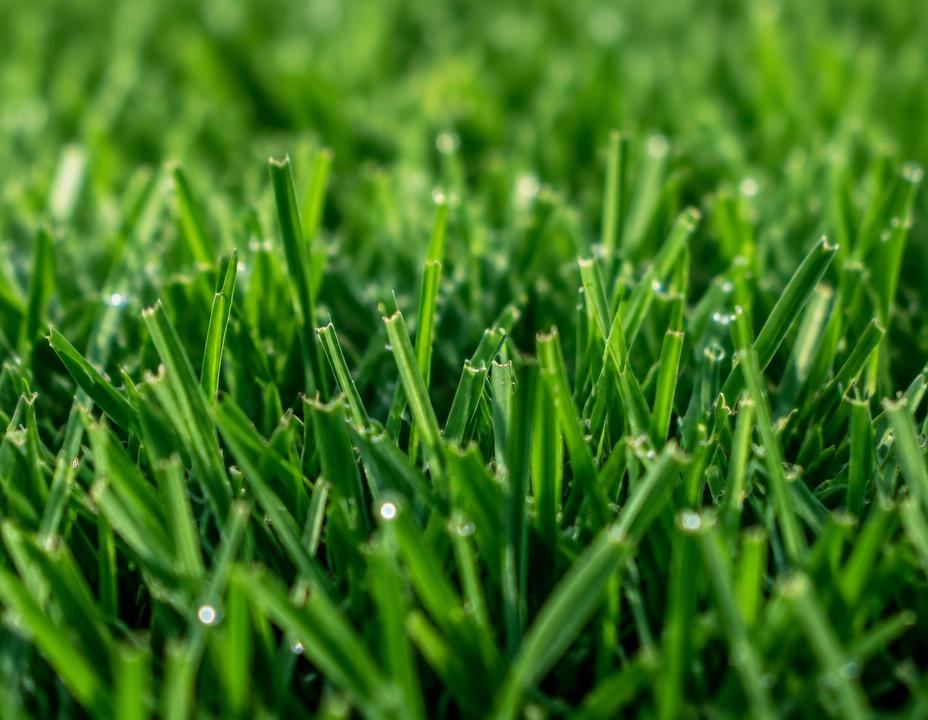
Lawn Size
Treatable turf only—not your driveway, house or beds.
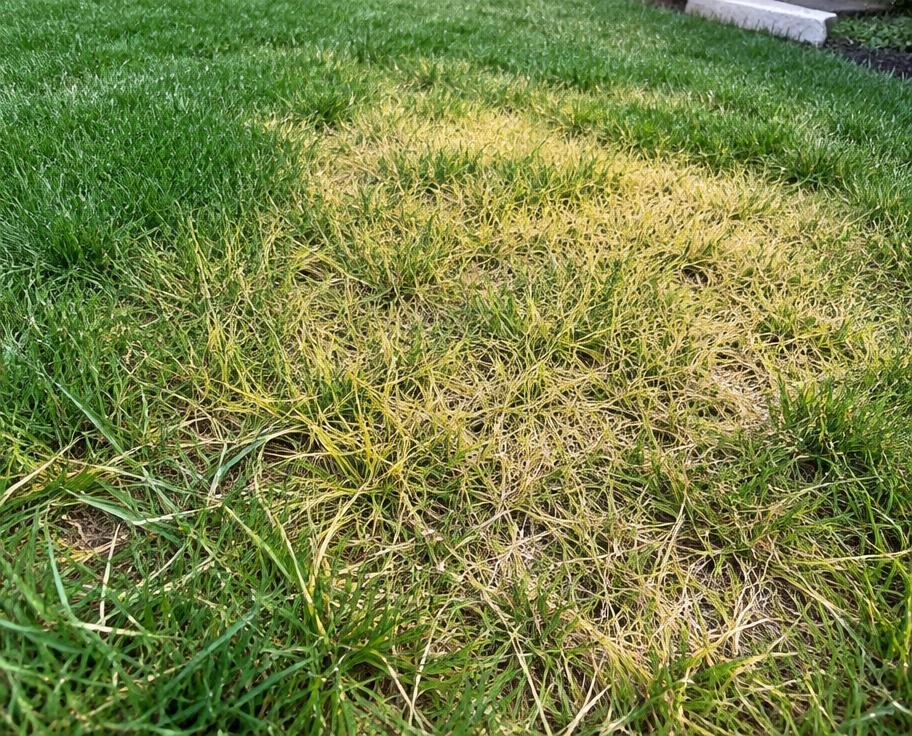
Condition
A thin, compacted lawn needs more work than healthy turf.
Program Depth
Number of visits and what each visit includes.
Material Quality
What's actually in the bag and the sprayer.
Traditional Programs vs. a Hybrid Approach
Traditional
Volume model
- Quick green-up is the main goal
- Routine broadcast spraying, needed or not
- Generic product used on every lawn
- Pesticides do most of the work
GreenStripe Hybrid
Soil-first model
- Build dense turf that crowds weeds out
- Targeted treatment where it's needed
- Soil test guides what goes down
- Biology and nutrition do more of the work, so pesticide use comes down over time
A hybrid program costs more to run because healthy soil takes better inputs and more care than a quick green-up. The payoff is a lawn that needs less rescuing each year. You can read more about our approach on Fertilization & Soil Health.
The Granular Foundation: No Fillers, No Plastic
Many fertilizer bags are bulked up with inert filler—material that spreads easily but feeds nothing. Filler keeps the bag cheap. It also means you're paying to spread a lot of material that does nothing for your grass.
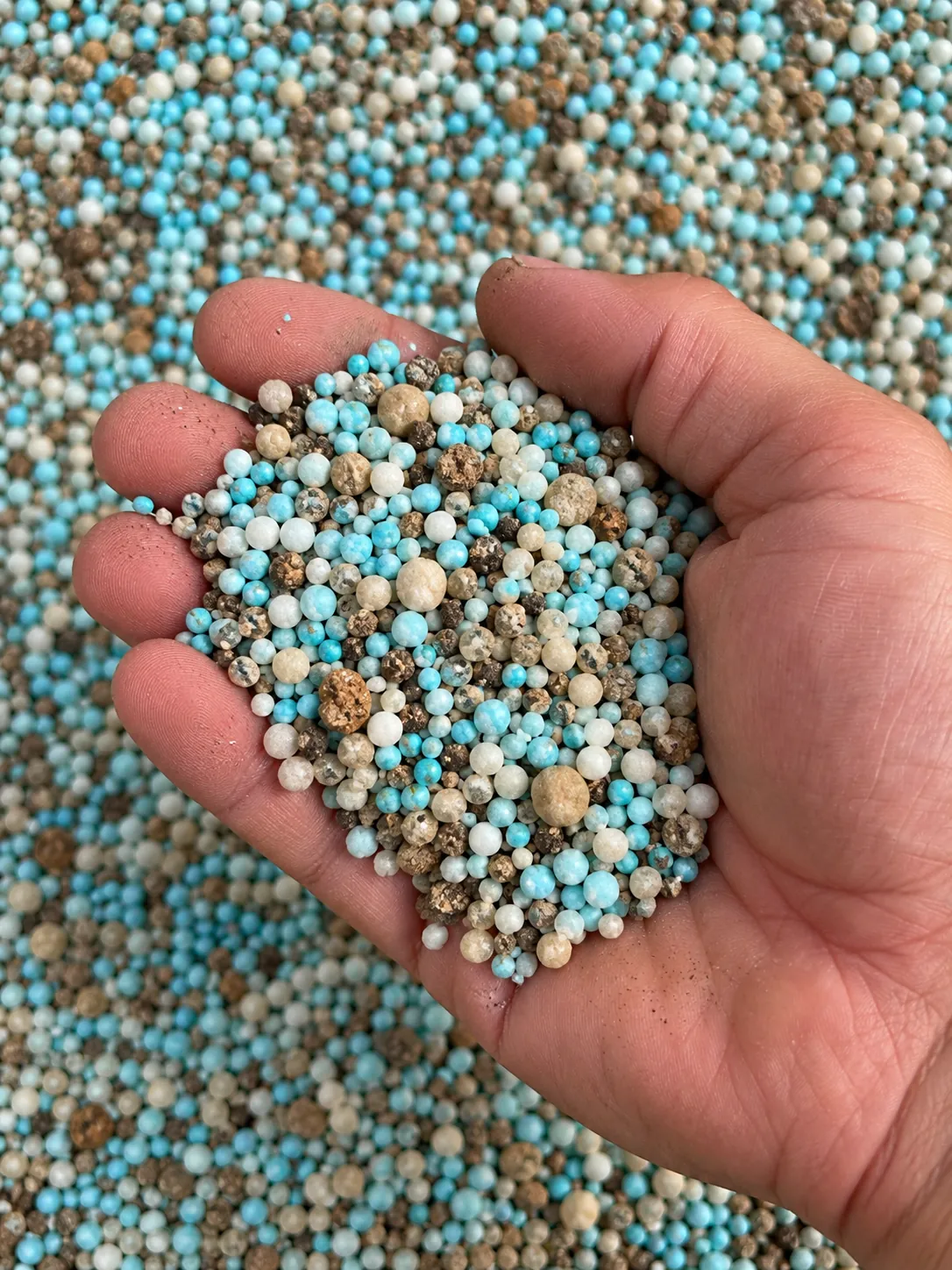
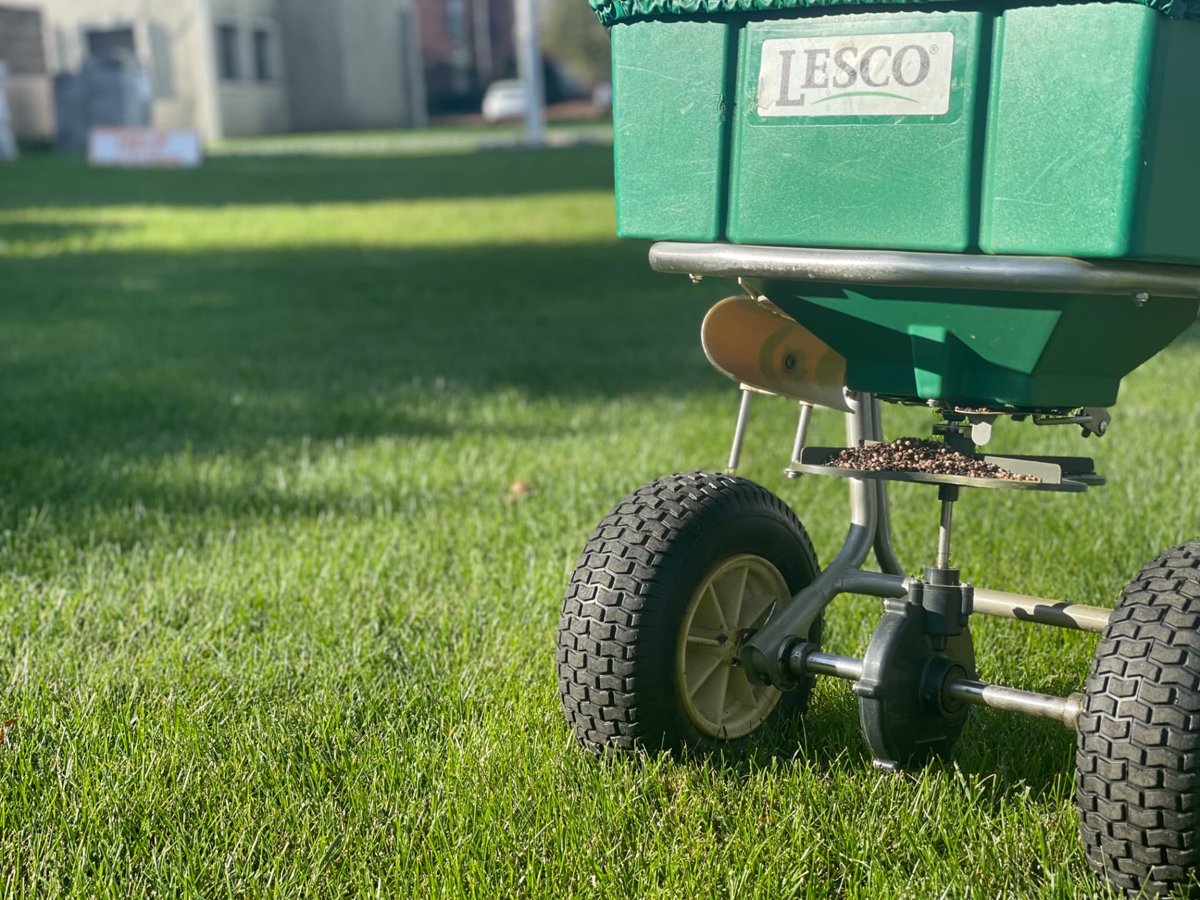
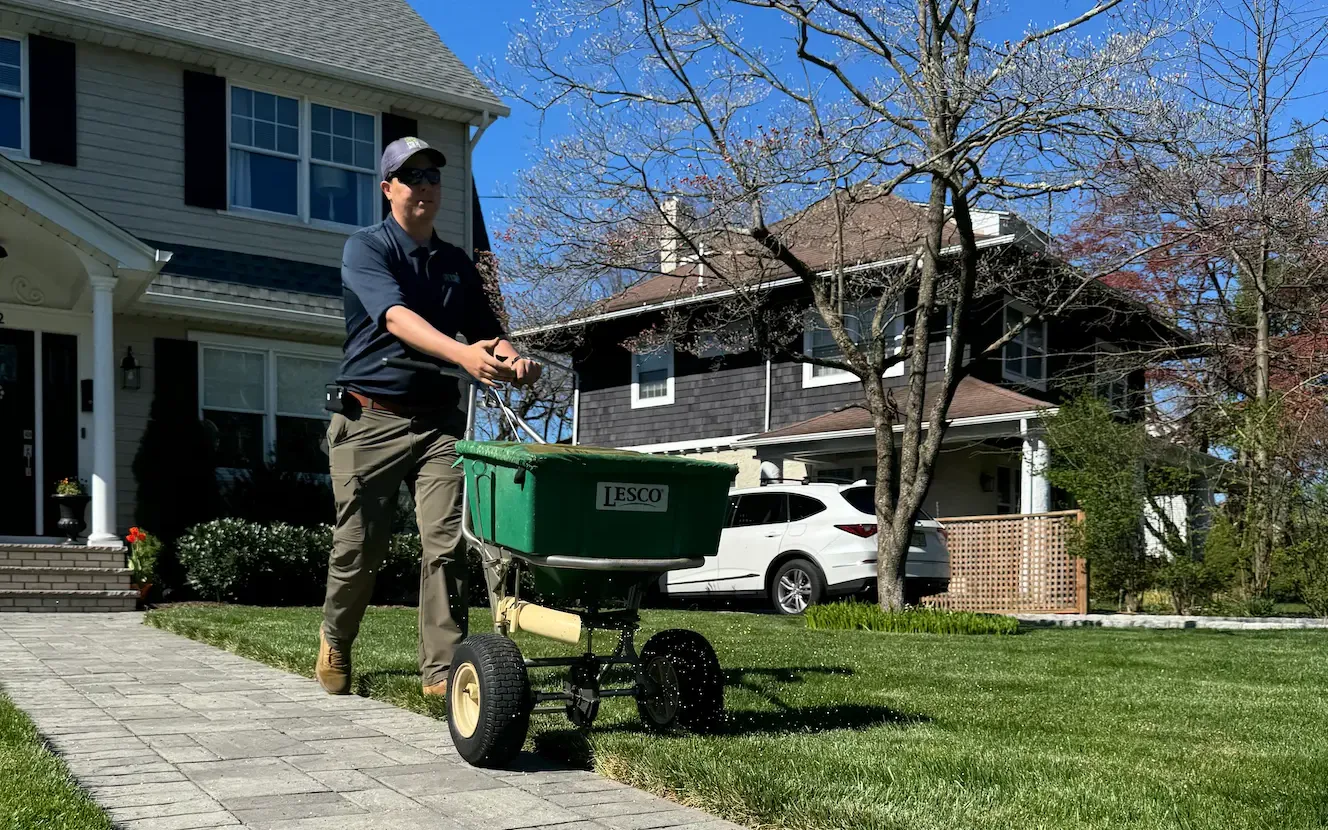
Our granular product is applied three times a year and is the foundation of every program. It's intentionally simple:
- Urea — dependable nitrogen
- A true slow-release nitrogen — steady feeding without a plastic shell
- Potassium sulfate — a clean potassium source for stress tolerance
- Microbe-enhanced calcium carbonate — supports soil pH and soil biology
That's it. No filler. A no-filler bag costs more, but every pellet carries nutrition—so the value is spread evenly across the whole bag, not just part of it.
A quick note on color: the blue prills in our blend are uncoated, controlled-release urea. They can look similar to plastic-coated fertilizer at a glance, but there's no plastic shell on them.
Why we avoid plastic-coated fertilizer
Many slow-release fertilizers get their slow release from a polymer (plastic) coating around each granule. The nutrient dissolves out; the coating is left in the soil. Microplastics from products like this are drawing growing regulatory attention, yet they're still common in lawn care around our area. We don't use poly-coated products. Our slow release comes from the nitrogen source itself.
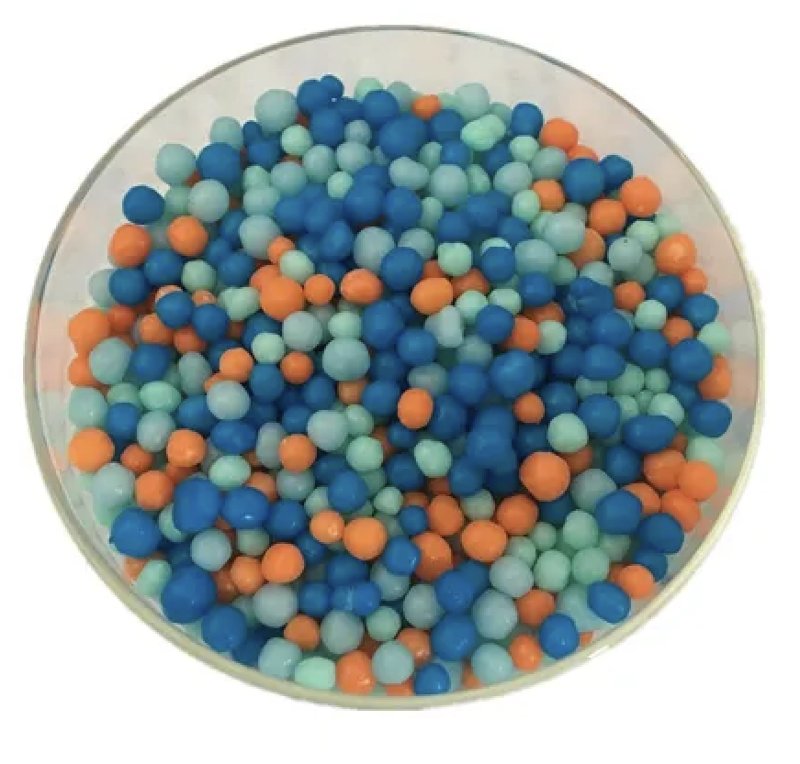
There's another practical problem: plastic floats. After a hard rainfall or heavy irrigation, coated prills can lift off the lawn and wash into gutters, storm drains and streams—taking your fertilizer, and the plastic, with them.
The Liquid Program: Feeding the Soil, Not Just the Grass
The granular product is the foundation. Our liquid applications are where we build soil health—so the lawn can rely on less chemistry over time.
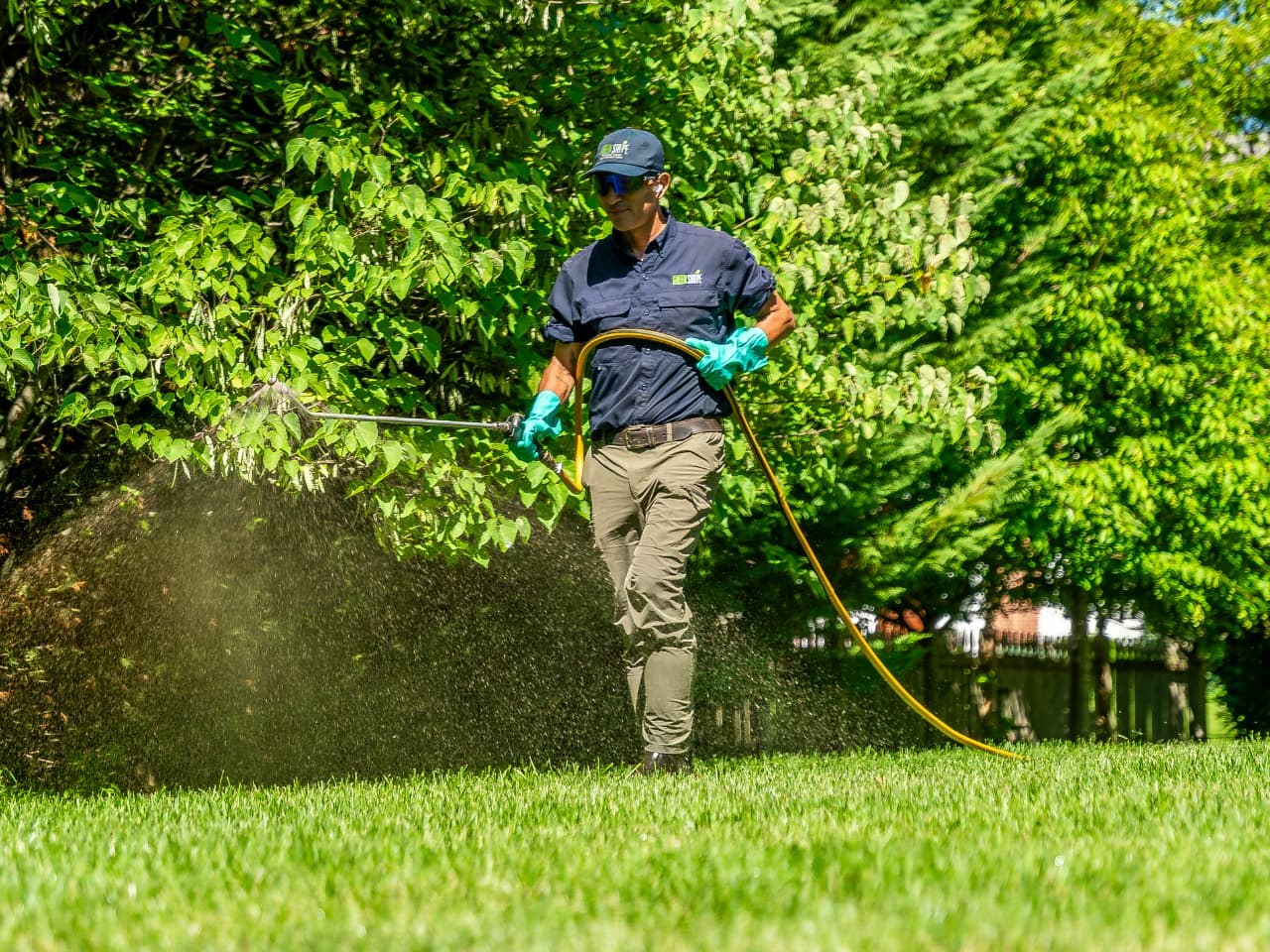
What Goes Into Our Liquid Applications
Farmed Algae
Sourced from cleaner growing regions, including farmed algae from Spain, for natural growth support and trace minerals.
Humic & Fulvic Acids
Help soil hold nutrients and make them easier for roots to use.
Activated Microbes
Living beneficial microbes that support the soil food web around the roots.
Micronutrients
The small-but-critical nutrients your soil test tells us are missing.
Clean, well-sourced biological inputs cost more than commodity products. They're also what lets a lawn stay healthy with less dependence on pesticides. See Soil Enrichment for more on building soil.
The People: Your Assigned Technician
In much of the industry, someone applies on Monday and is on a route the next week. That's a big reason results vary visit to visit.
How We Do It Differently
- 1.
Assigned by area. Technicians are assigned to territories, so you'll usually see the same person visit after visit. They get to know your lawn—and your specific needs.
- 2.
Paid for quality, not speed. Our technicians are bonused on the work they perform and the quality of that work, which keeps the focus on results, not on rushing through stops.
- 3.
Required career training. Career-advancement training is part of the job, along with other incentives that keep good people here year after year.
Communication You Can Actually Reach
Clear communication is one of the things our reviews mention most. We offer two-way texting with our office team and technicians. Text in with a question and you'll usually get an answer within minutes or hours—not a ticket number.
The Math Behind 50% Off and “Free” Applications
If your mailbox has seen flyers for “50% off your entire season,” “50% off aeration” or “two free applications,” it's worth doing the math before signing up.
What's Actually Worth Getting for Free
A complimentary soil test ($95 value). It's real data about your lawn—pH, nutrients and what's holding your grass back. If you're truly trying to get your lawn in better shape, that's the information that tells us what needs to be done specifically, instead of guessing.
Related Services
Local Lawn Care in Northern New Jersey
Keep Learning
Lawn Care Cost Questions
How much does lawn care cost in New Jersey?
It depends mainly on your treatable lawn size, its current condition and how complete the program is. The fastest way to see real numbers is to enter your address and build a program for your property.
Why is one lawn company more expensive than another?
Material quality (filler vs. no filler, plastic-coated vs. not, biological inputs), technician training and pay, visit quality and communication all add cost. Cheaper programs usually save money in one or more of those places.
Are 50%-off lawn care deals worth it?
Do the two-year math. If the regular price is set high to make room for the discount, year two renews at full rate and you may pay more overall. Ask what the price will be next year before signing.
Is a free crabgrass booster a real extra?
Usually not. It's typically the second half of a split pre-emergent application, which most complete programs already include.
Does GreenStripe use plastic-coated fertilizer?
No. Our granular foundation is urea, a true slow-release nitrogen, potassium sulfate and microbe-enhanced calcium carbonate, with no filler and no poly coating.
Will I see the same technician each visit?
Usually, yes. Technicians are assigned by area, so most customers see the same person visit after visit.