
Seasonal Lawn Care
Yankee Stadium Grass: How MLB Fields Get So Green So Early
Yes, Yankee Stadium has real grass. Here's what kind it is, what's underneath it and how major league grounds crews get a Northeast field looking perfect by Opening Day, plus what homeowners can realistically borrow from them.
GreenStripe Lawn Advice
Reviewed by the GreenStripe Turf Team
Last updated:
On This Page
The Short Answer
Yes, Yankee Stadium Has Real Grass.
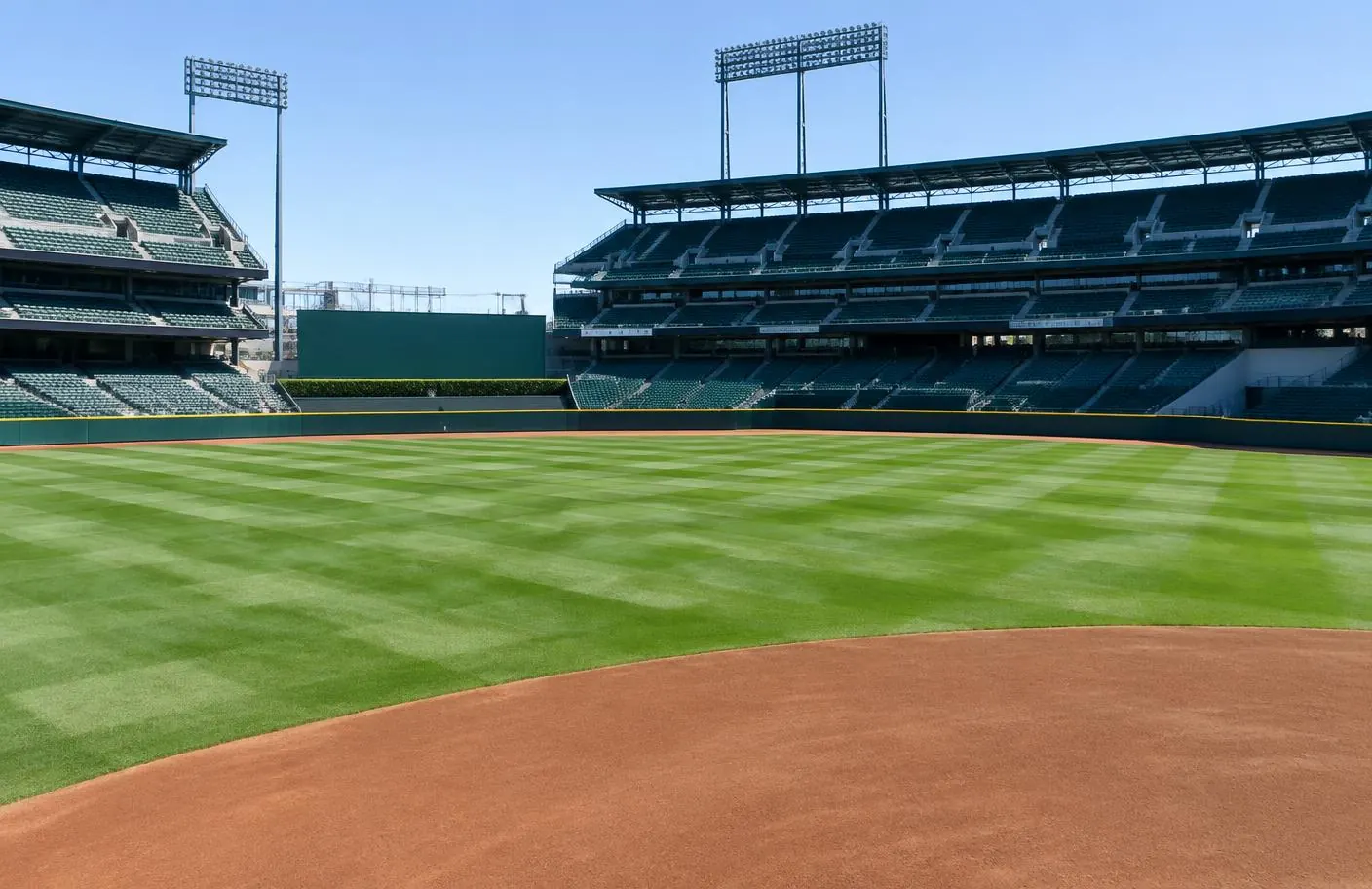
Yankee Stadium plays on natural grass, not artificial turf. Like most Northeast ballparks, the field uses a cool-season grass, primarily Kentucky bluegrass, grown on a sand-based rootzone built for drainage. The early-spring color comes from a combination of professionally grown sod, precise fertility, frequent reel mowing, covers that hold heat in the soil and, at many parks, grow lights. It's planning and engineering, not paint.
Your lawn uses the same biology.
Stadium grass and backyard grass are often the same species. The difference is the soil underneath and how intensely it's managed.
Real Grass
Cool-season Kentucky bluegrass, not synthetic turf.
Sand Underneath
An engineered, fast-draining rootzone.
Heat & Light
Covers and lights push early growth.
Daily Care
Reel mowing, measured feeding and watering.
What Kind of Grass Is at Yankee Stadium?
Northeast ballparks rely on cool-season grasses that grow best in spring and fall. Kentucky bluegrass is the standard for major league fields in the region because it spreads by underground rhizomes, which lets it knit together and repair divots and cleat damage on its own. Some fields blend in perennial ryegrass for quick establishment and wear tolerance.
That's good news for New Jersey homeowners: Kentucky bluegrass, perennial ryegrass and tall fescue are the same grasses found in many lawns here. The sod for Northeast stadiums is typically grown on specialized sports-turf farms, including farms in New Jersey, where it's cultivated for years before it's cut and delivered.
What's Under a Major League Field
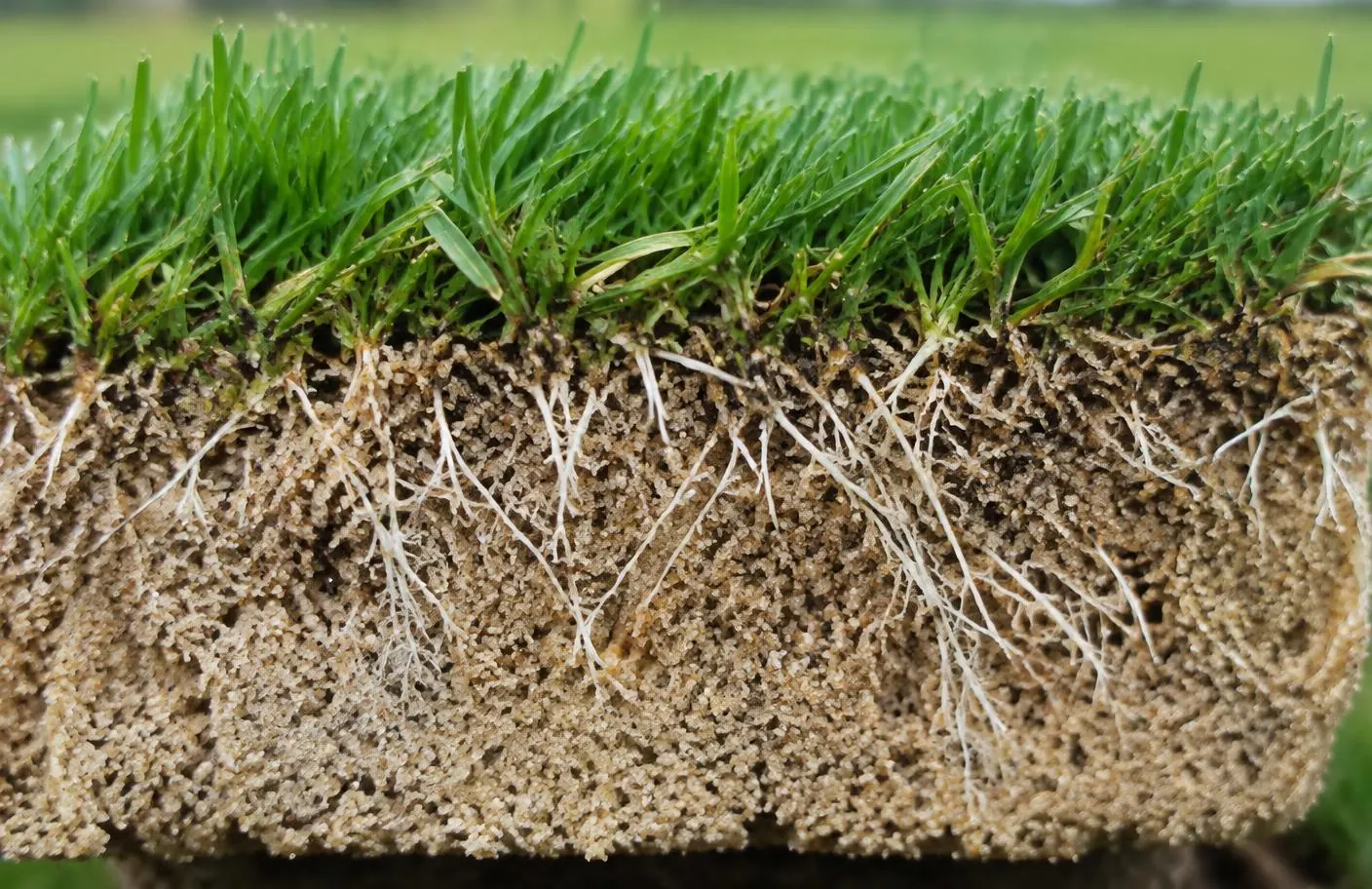
Modern MLB fields aren't built on ordinary soil. Beneath the grass is a rootzone made mostly of sand, often 80% or more, blended with a small amount of organic matter. Below that sits a gravel layer and a network of drain pipes. The design moves water off the surface fast, so a field can be playable shortly after a heavy rain, and it resists the compaction that thousands of footsteps would otherwise cause.
Many stadiums also have subsurface systems for drainage or even heating. Sand drains well but holds few nutrients, so grounds crews feed and water in small, frequent amounts. That's one of the biggest differences from a home lawn growing in native New Jersey clay or loam.
How Fields Get Green by Opening Day
Grass greens up when soil warms. In late March, Northeast soil usually hasn't. Grounds crews close that gap in several ways.
- 1.
Fresh, Mature Sod
Many fields are partly or fully resodded in the offseason or as needed, using thick sod that arrives already dense and established.
- 2.
Turf Covers
Breathable covers trap heat and moisture in the soil, encouraging earlier root and shoot growth.
- 3.
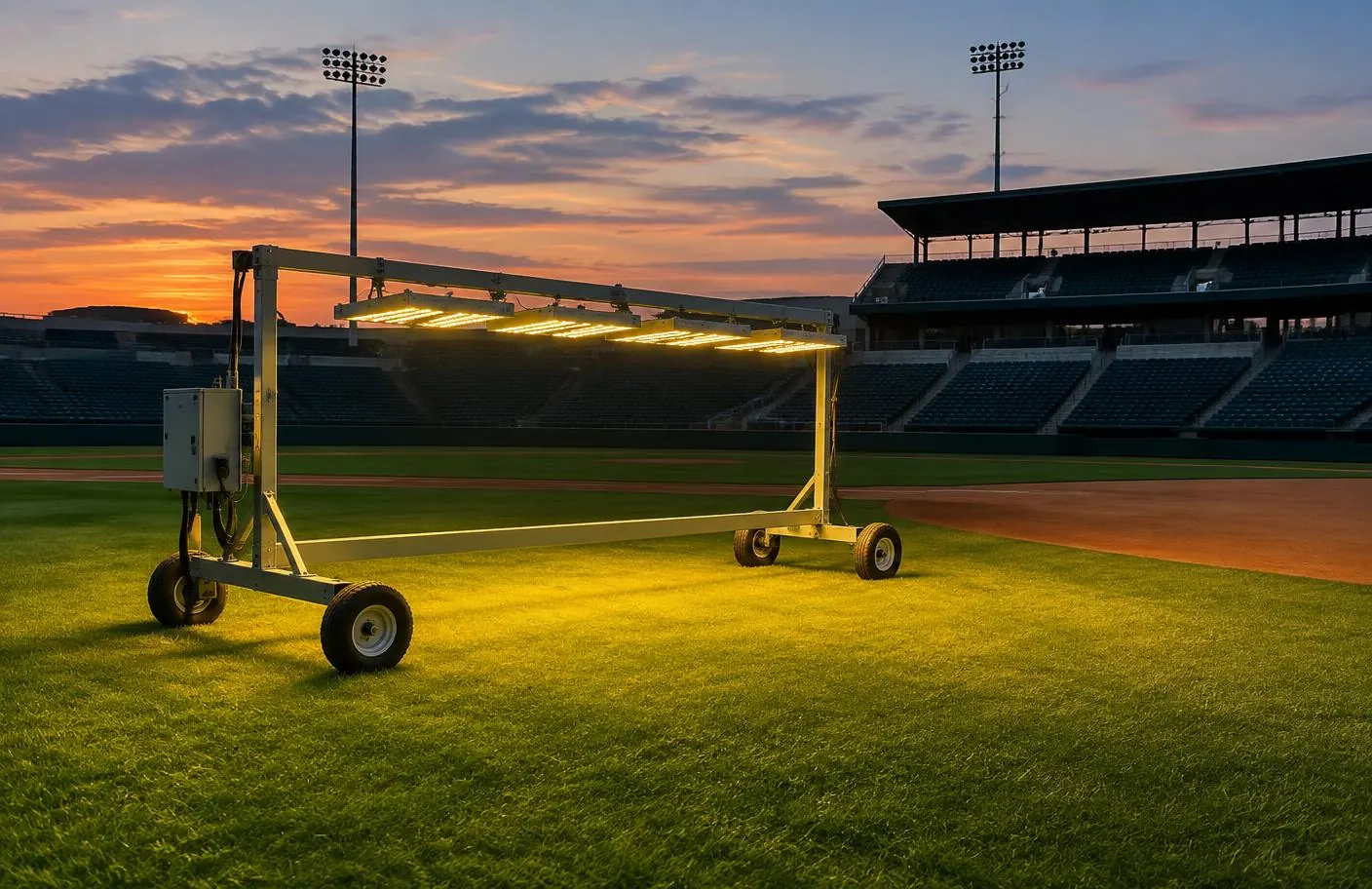
Grow Lights
Mobile light rigs supplement weak spring sunlight and are especially useful in shaded areas of the stadium.
- 4.
Precise Feeding
Small, frequent nutrient applications match what the grass can use on a sandy rootzone.
- 5.
Frequent Reel Mowing
Reel mowers cut like scissors for a clean, precise cut, and frequent mowing encourages dense growth.
Those famous stripes and checkerboards aren't paint. They come from mowing in alternating directions, which bends the blades so they reflect light differently.
Why Stadium Turf Is So Intensive
Major league fields take on concerts, events and 81 home games of wear, all broadcast in high definition. Grounds crews work daily on mowing, watering, painting, repairs and pest and disease monitoring. The equipment, materials and labor behind that level of care are well beyond what a home lawn needs, but the core principles carry over.
What Your Lawn Can Borrow From the Pros
Mow High & Sharp
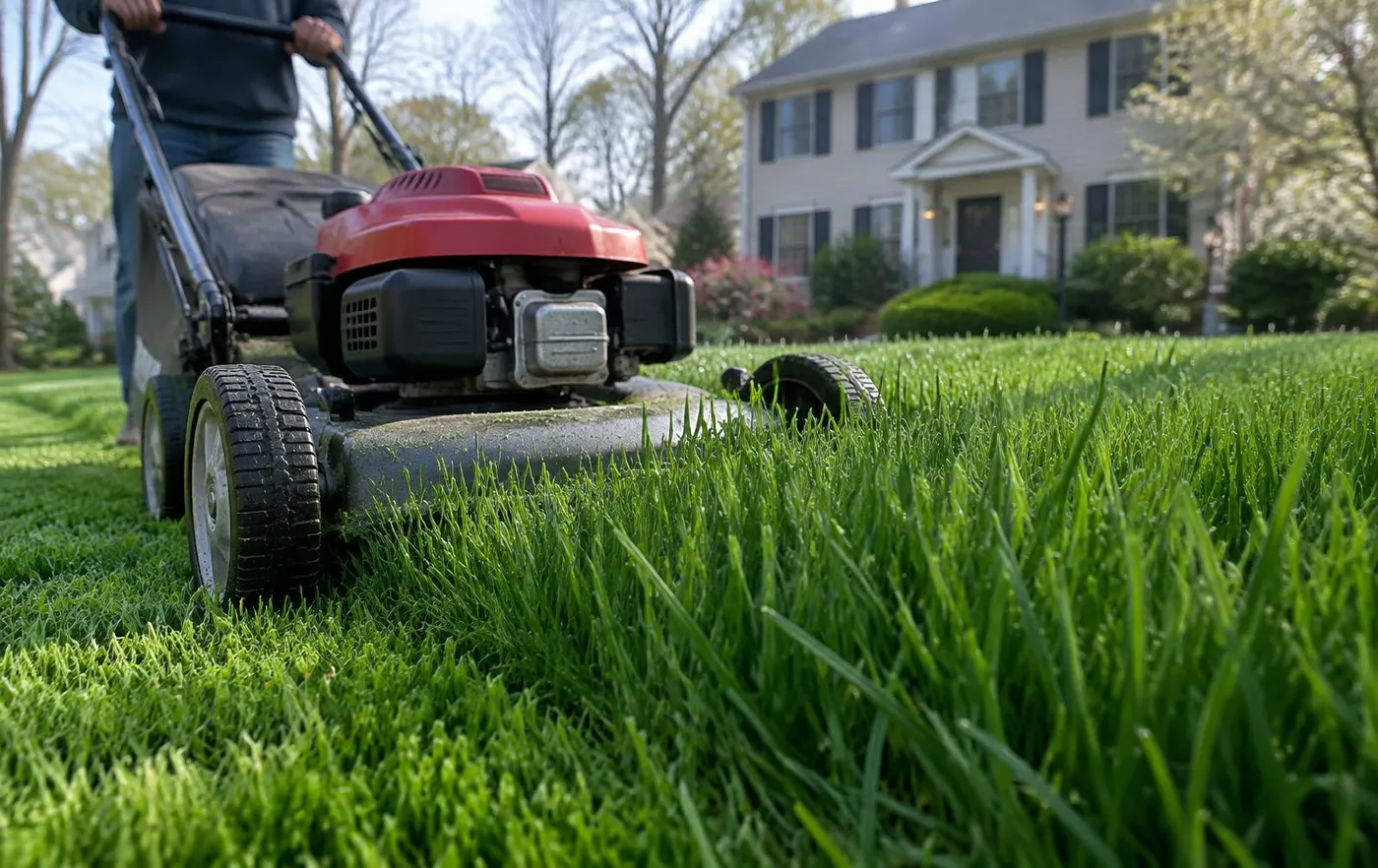
Stadiums mow low because they mow daily. At home, a taller cut with a sharp blade builds stronger grass. See our mowing height guide.
Feed Based on Testing
Grounds crews never guess at nutrients. A soil test tells you what your lawn actually needs.
Relieve Compaction
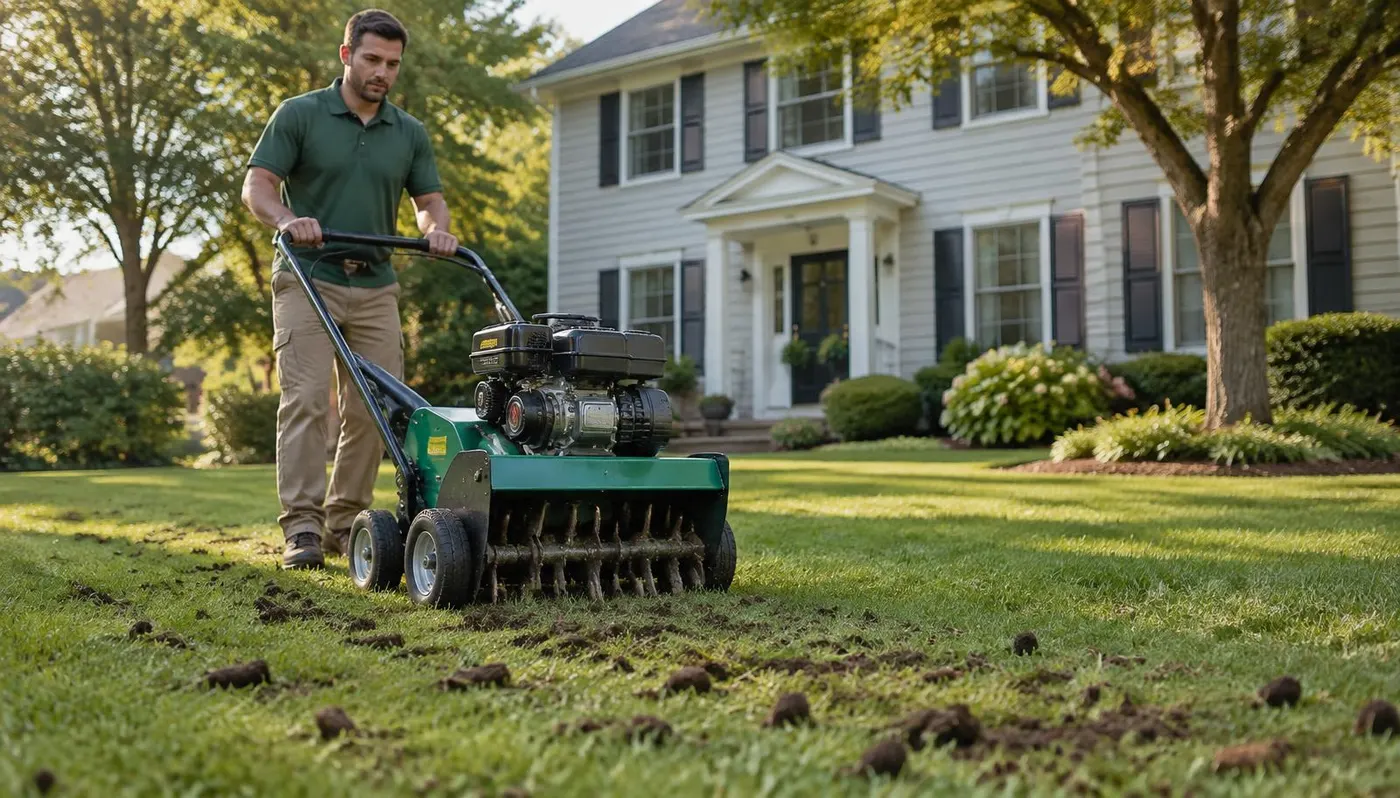
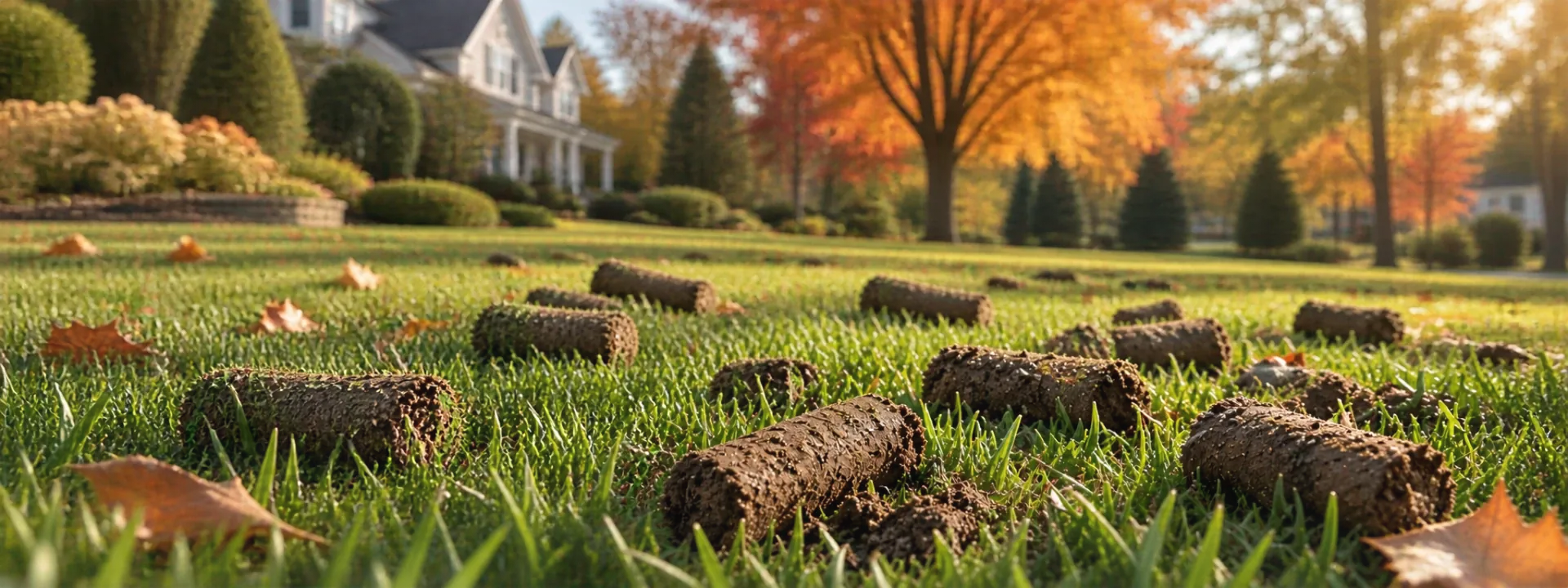
Pros aerate constantly. Core aeration helps lawns with heavy clay or foot traffic.
Seed at the Right Time
Late summer to early fall is the best time to thicken a New Jersey lawn. See Best Time to Aerate & Overseed.
Water Deeply, Not Daily
Sandy fields need frequent water. Most home soils do better with deeper, less frequent watering.
Try Striping
Alternate your mowing direction and the stripes will show, with or without a roller.
Related Services
Local Lawn Care in Northern New Jersey
Keep Learning
Stadium Grass Questions
Is Yankee Stadium real grass?
Yes. Yankee Stadium plays on natural grass, not artificial turf. The field is a cool-season grass, primarily Kentucky bluegrass, grown on an engineered, sand-based rootzone.
What kind of grass is at Yankee Stadium?
Like most Northeast major league fields, it uses Kentucky bluegrass, a cool-season grass that spreads by underground rhizomes and repairs itself well after wear. Some fields blend in perennial ryegrass.
How do MLB fields get so green so early in spring?
Grounds crews combine mature sod, breathable covers that hold heat in the soil, grow lights, precise fertility on a sand-based rootzone and frequent reel mowing. Together they push growth weeks ahead of a typical lawn.
Do MLB teams replace their grass every year?
It varies by stadium. Many fields are partly or fully resodded in the offseason or after concerts and events, while others are repaired and renovated as needed rather than fully replaced each year.
How do baseball fields get those stripes?
Stripes and checkerboard patterns come from mowing in alternating directions. Bent blades reflect light differently, so they look lighter or darker depending on the angle. No paint is involved.
What is under a major league baseball field?
Typically a sand-based rootzone, often around 80% or more sand, over a gravel layer with drain pipes. Some stadiums also have subsurface drainage or heating systems.
Can my lawn look like a baseball field?
Your lawn can use the same grass types and principles: soil testing, proper fertility, sharp mowing, aeration and timely seeding. Without a sand rootzone and daily care it won't match a stadium exactly, but it can get much closer.
Why do stadiums mow so short if short mowing is bad for lawns?
Stadium turf is mowed daily on a sand rootzone with expert irrigation and feeding. Home lawns mowed weekly do better at a taller height, which supports deeper roots and fewer weeds.
Sources & further reading
- Sports Field Management Association (SFMA) — Sports Field Construction & Maintenance Resources
- Penn State Extension — Athletic Field Construction and Maintenance
- Rutgers NJAES — Turfgrass Species for New Jersey