
Tree & Shrub Insect Control
Something Eating Your Landscape?
From tiny scale insects hiding along branches to leaf-feeding pests that can seemingly appear overnight, ornamental insects can damage some of the most valuable plants on your property.
GreenStripe identifies the problem first — then determines whether treatment is actually necessary.
Identification First
Know what we're dealing with.
Seasonal Timing
Treat at the right time.
Targeted Treatment
Only when necessary.
Healthier plants. More vibrant landscapes.
What Are You Seeing?
The Damage Often Shows Up Before the Insect.
Insects don’t always make themselves obvious, but they often leave behind signs. Here are some common symptoms homeowners notice.
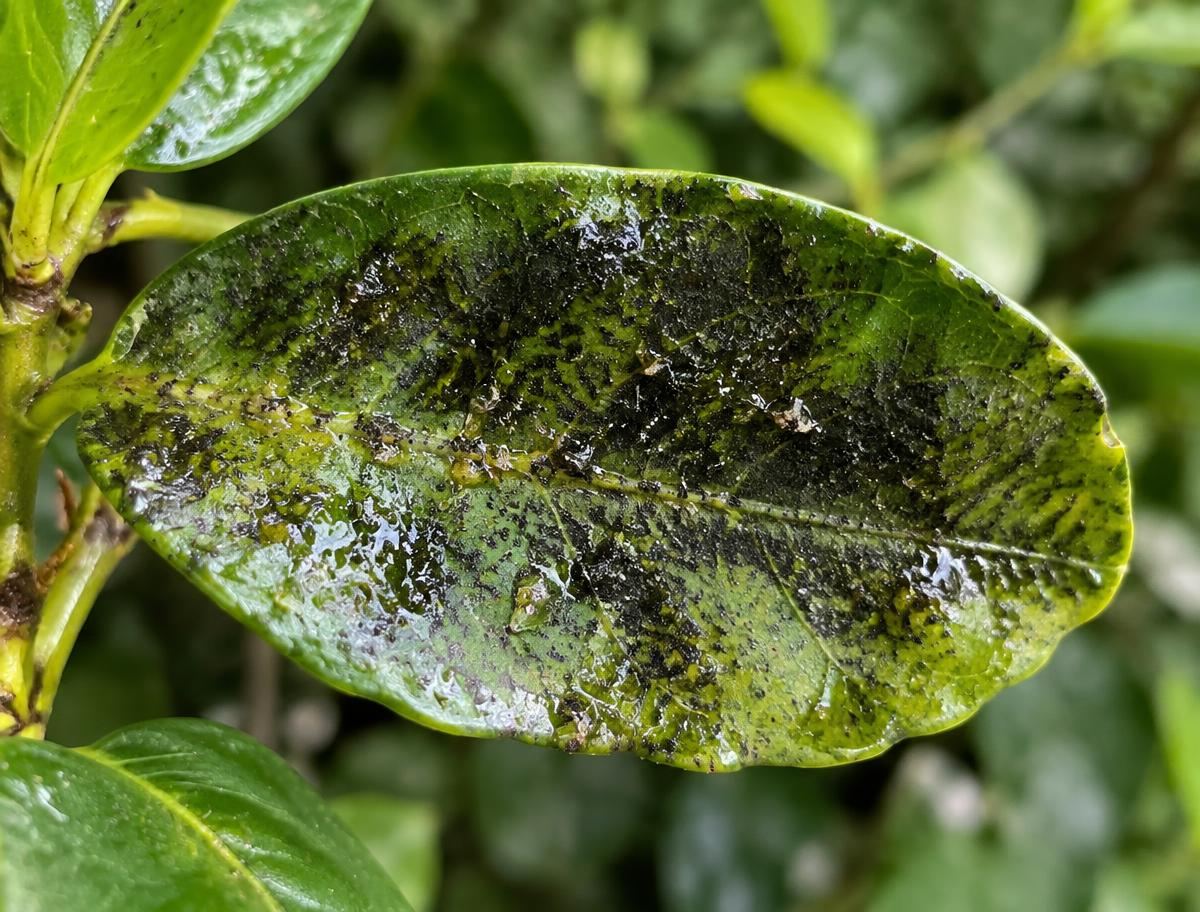
Sticky Leaves or Black Residue
Could indicate sap-feeding insects producing honeydew.
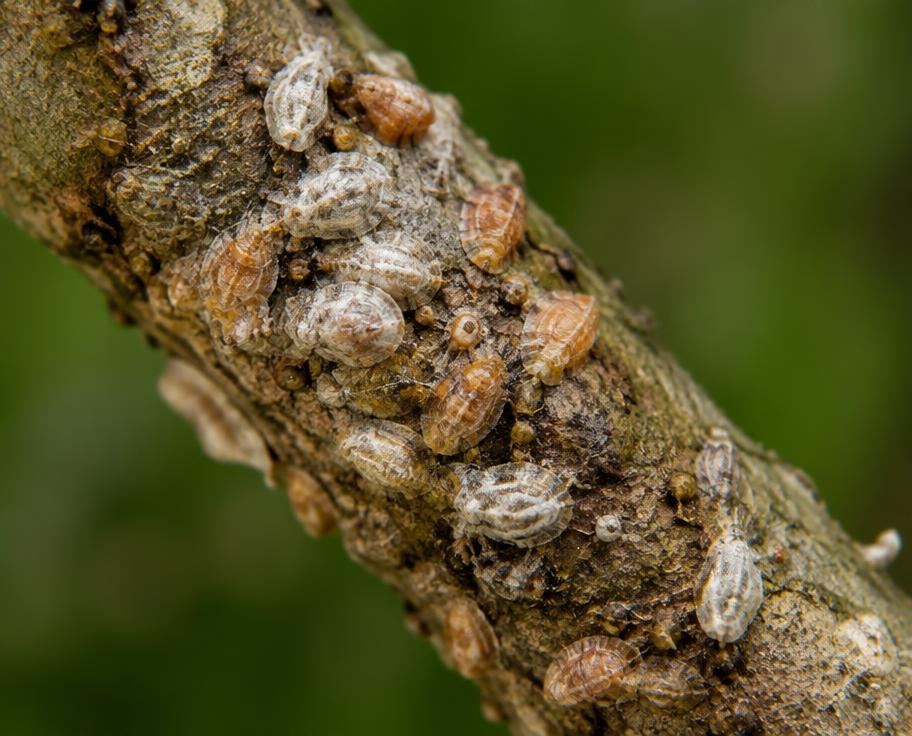
Small Bumps on Branches
Potential scale activity.
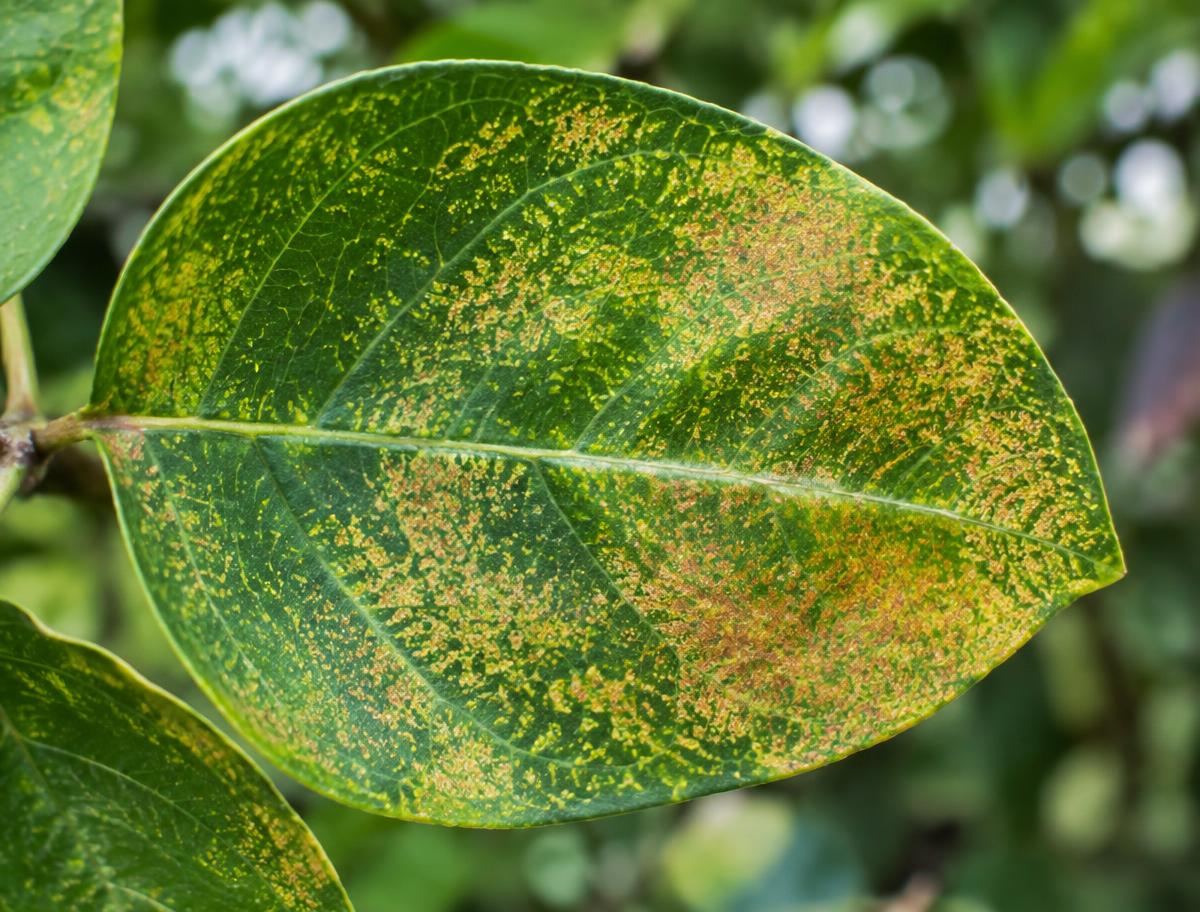
Speckled or Bronzed Leaves
Potential mite or lace bug feeding.
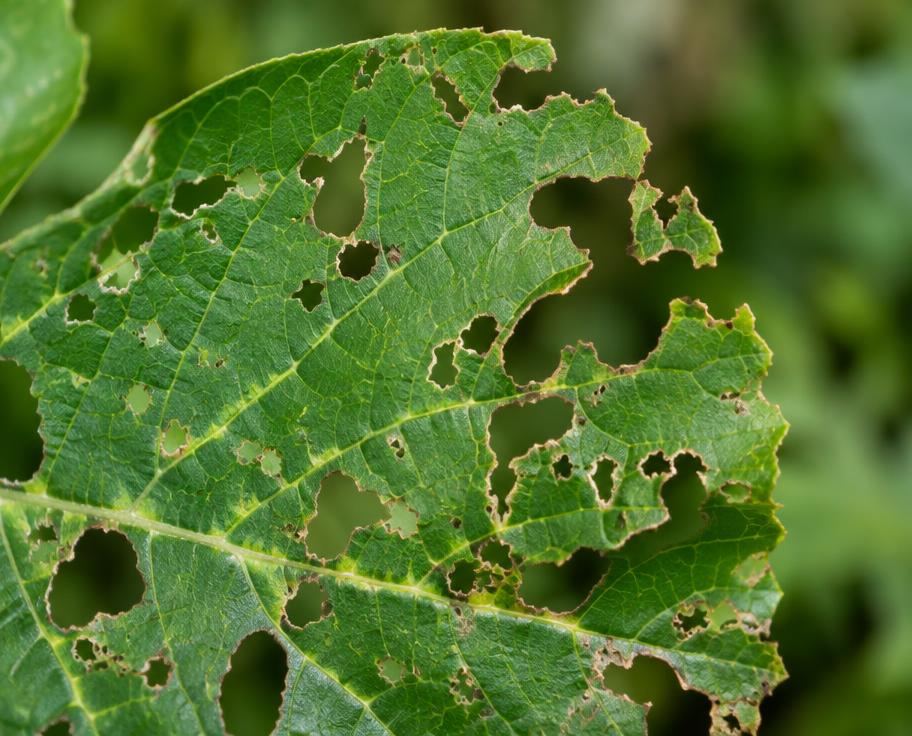
Holes & Chewed Leaves
Potential leaf-feeding insects.
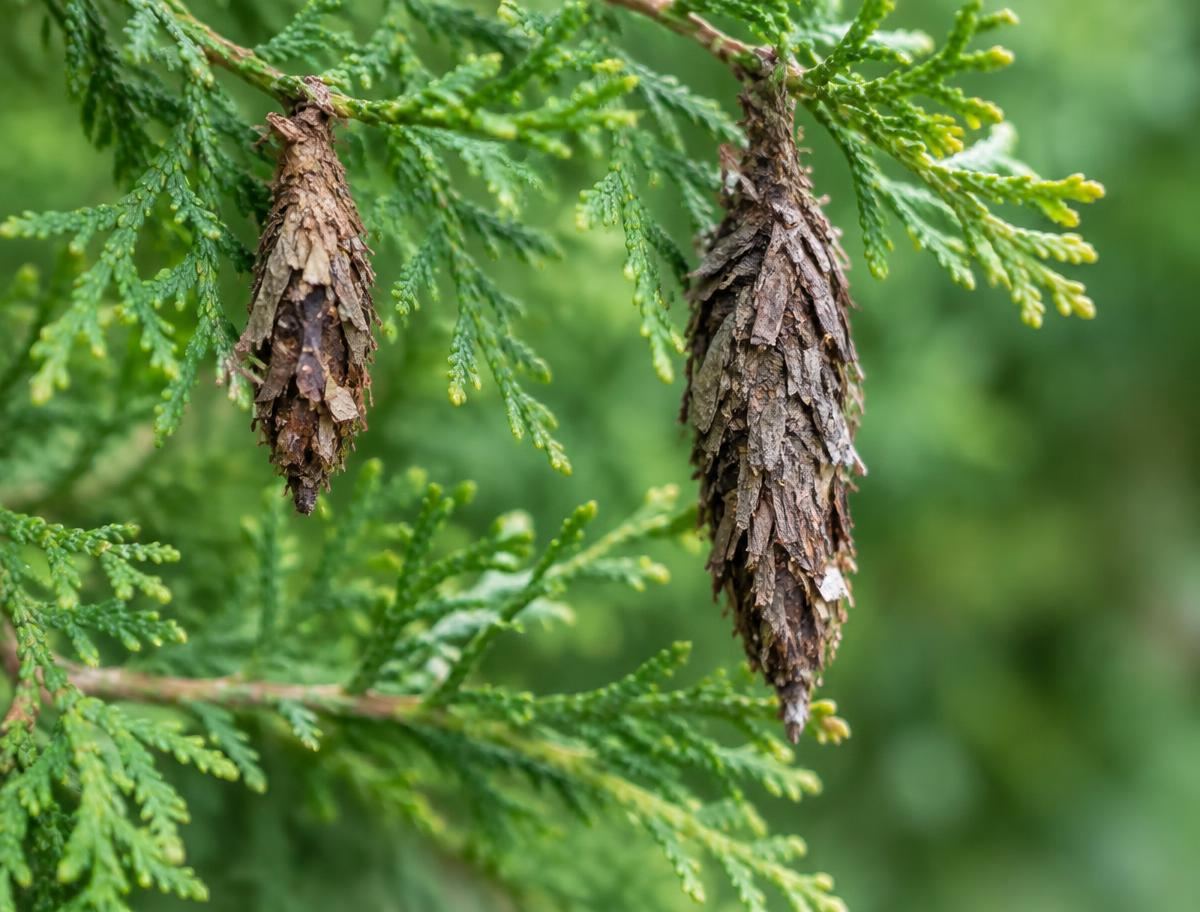
Bags Hanging From Branches
Potential bagworms.
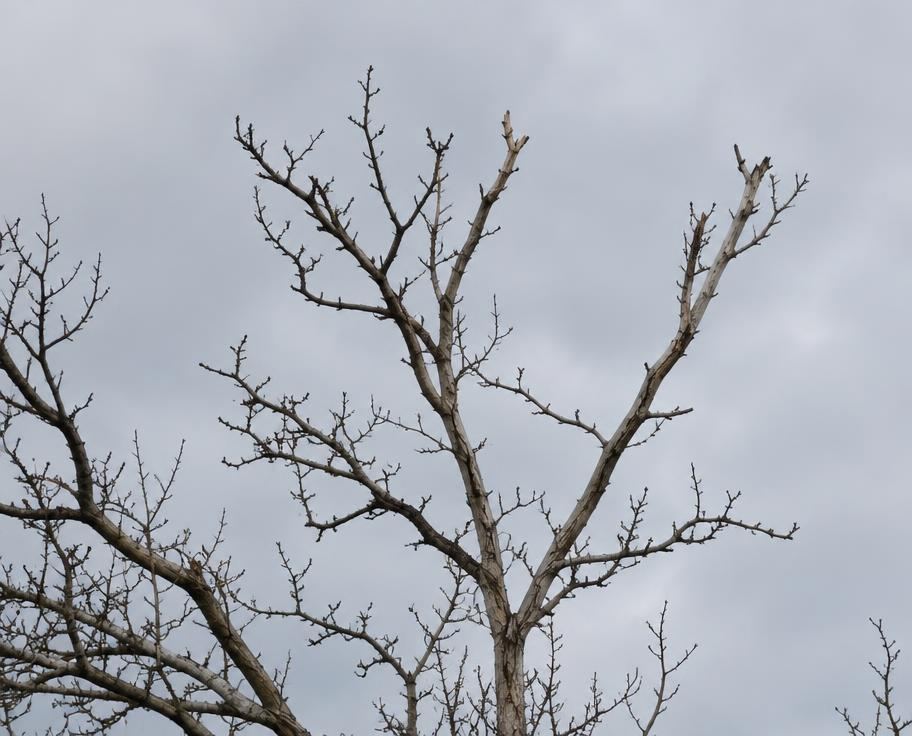
Sudden Branch Dieback
Could warrant investigation for borers, insects, disease or environmental stress.
Common Tree & Shrub Insects in New Jersey
Know the Pests. Protect Your Plants.
Here are some of the most common tree and shrub insects we encounter in Northern New Jersey.
Scale Insects
Small sap-feeding insects that can be easy to overlook until populations become noticeable.
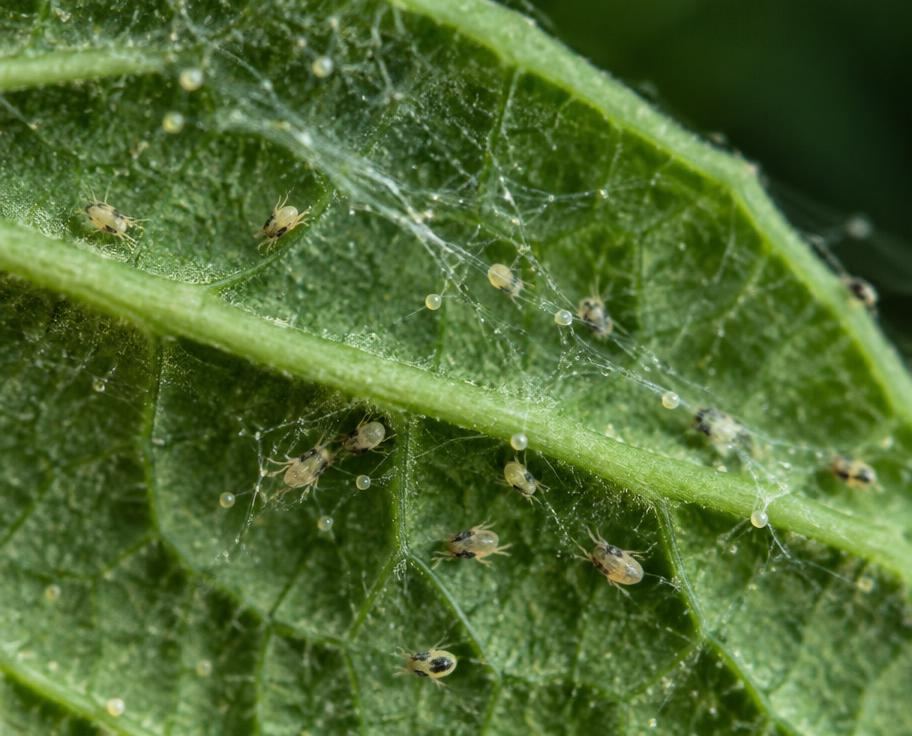
Mites
Tiny pests that can cause stippling, discoloration and bronzing of foliage.
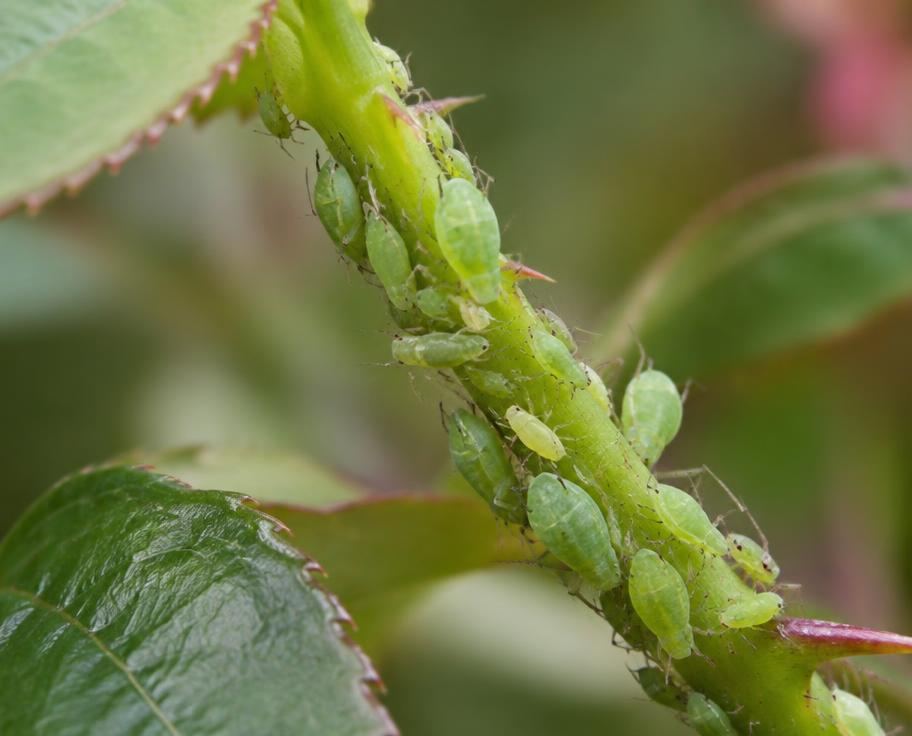
Aphids
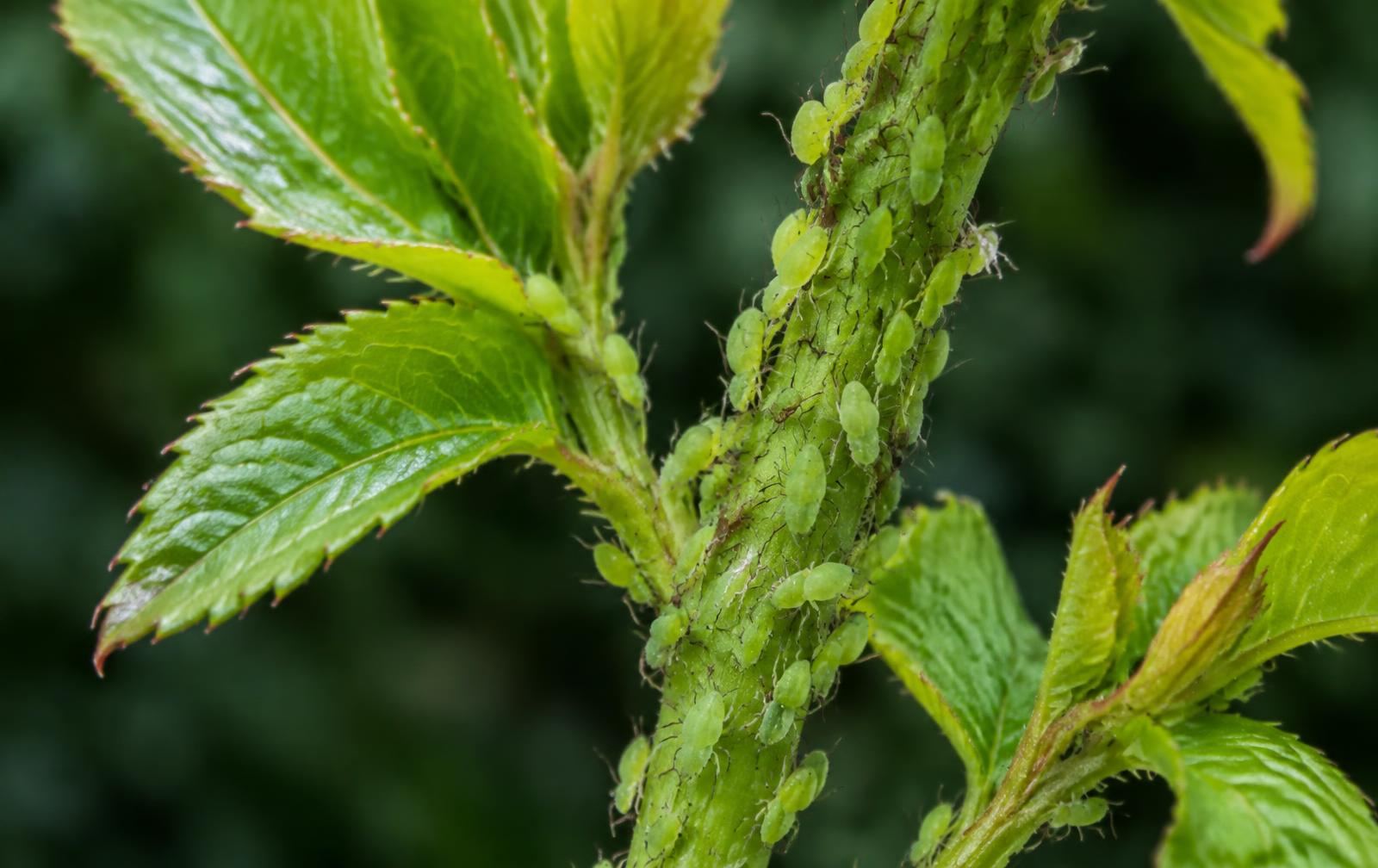
Sap-feeding insects that can cause curling, distorted growth and sticky residue.
Bagworms
Bag-forming caterpillars that can feed heavily on many ornamental trees and shrubs.
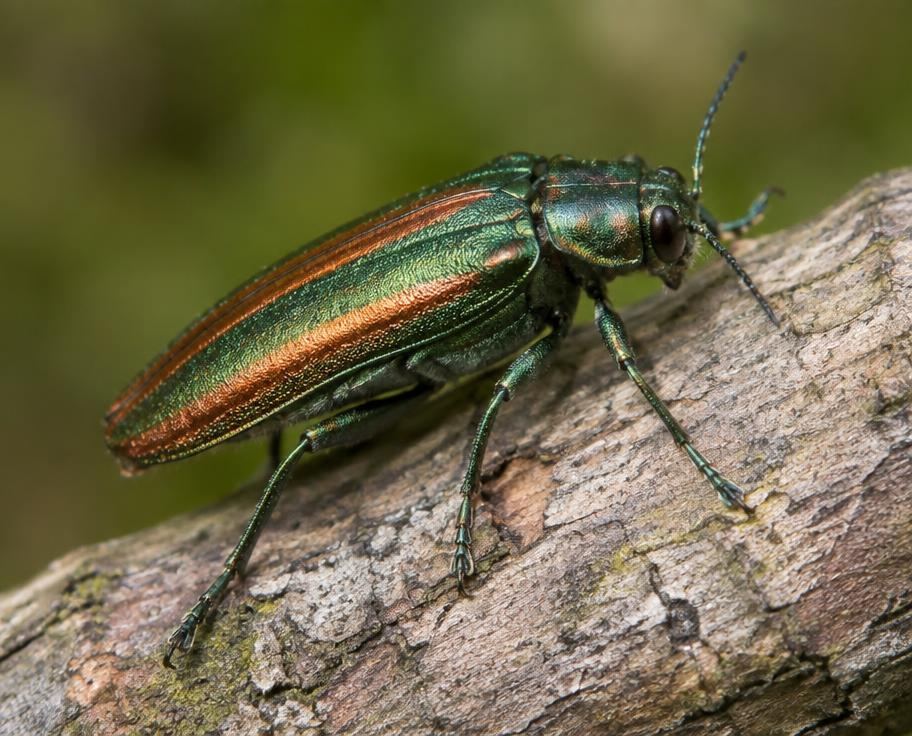
Borers
Larvae that feed within stems, branches or trunks, which can lead to decline or dieback.
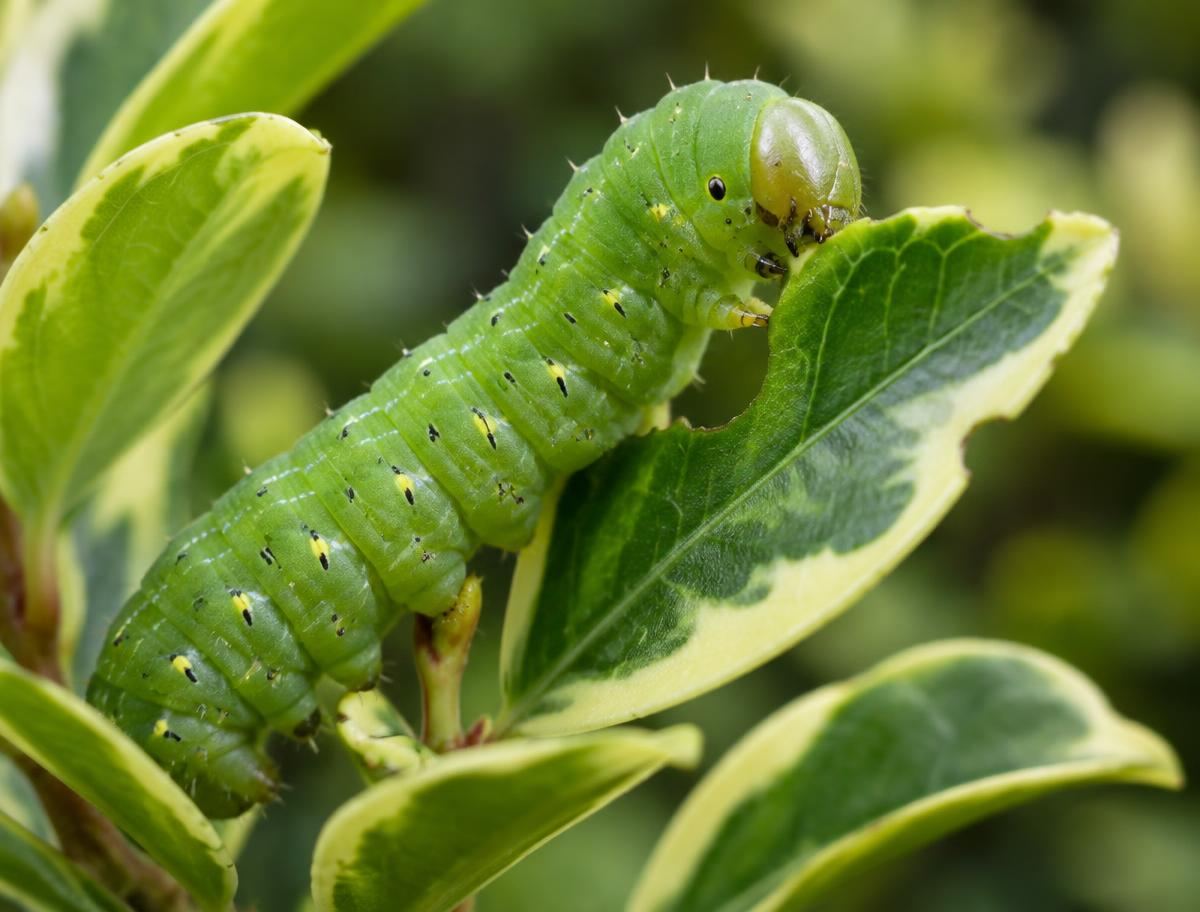
Leaf-Feeding Insects
Beetles, caterpillars and other pests that consume foliage.
Our Approach
Not Every Bug Needs a Pesticide.
Seeing an insect doesn’t automatically mean your landscape needs to be treated. We take a thoughtful, informed approach.
- 01
Identify
What insect are we actually dealing with?
- 02
Evaluate
Is it damaging the plant enough to warrant intervention?
- 03
Time
When is the pest most vulnerable to treatment?
- 04
Treat
Choose an appropriate treatment based on the pest and situation.
Lower-Impact Options
Where appropriate, we incorporate products such as neem oil, horticultural oils and other lower-impact approaches as part of our plant-health strategy.
Targeted Insect Control
When pest pressure requires it, we use professional insect-control products selected for the specific insect and situation.
Timing Matters
Insect Control Isn’t Just About What We Apply. It’s When.
Different insects become active at different times of the year, and some treatments work best against specific life stages.
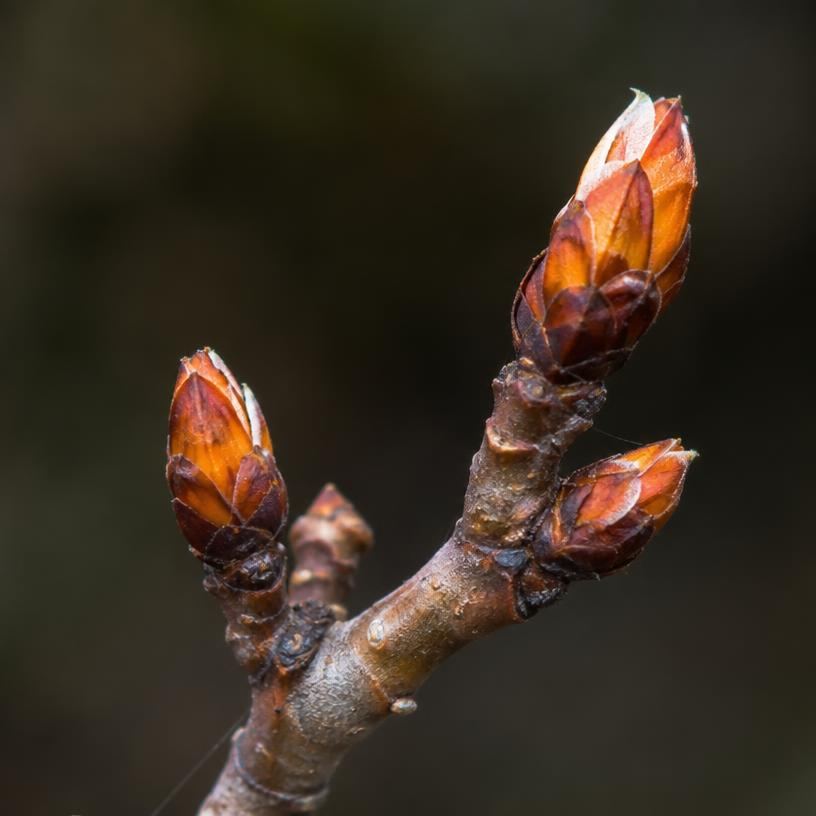
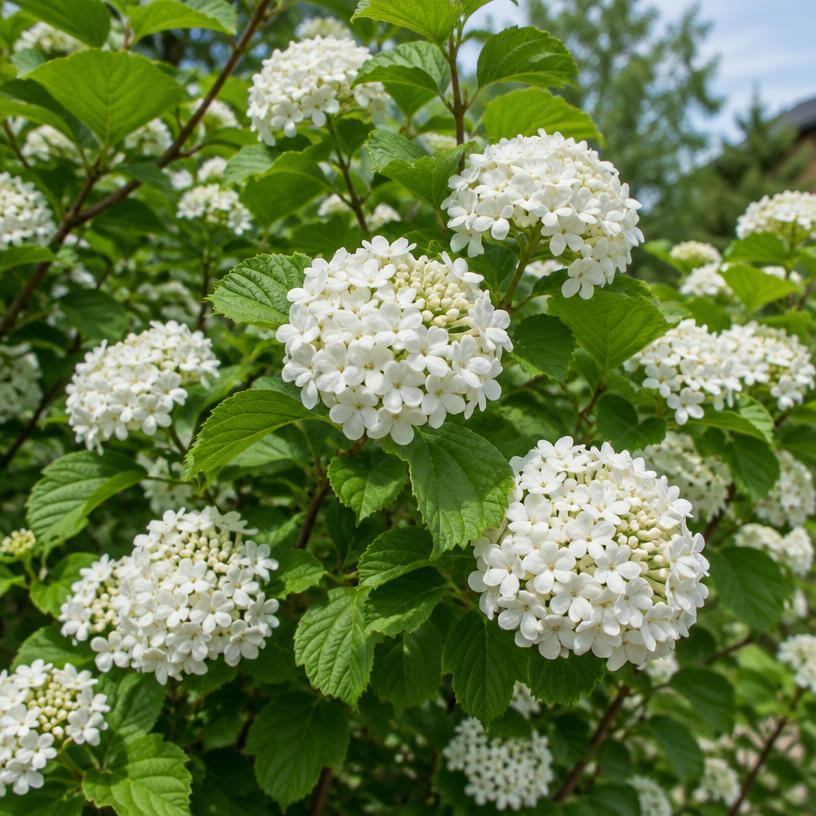
Early Spring
Emerging pests
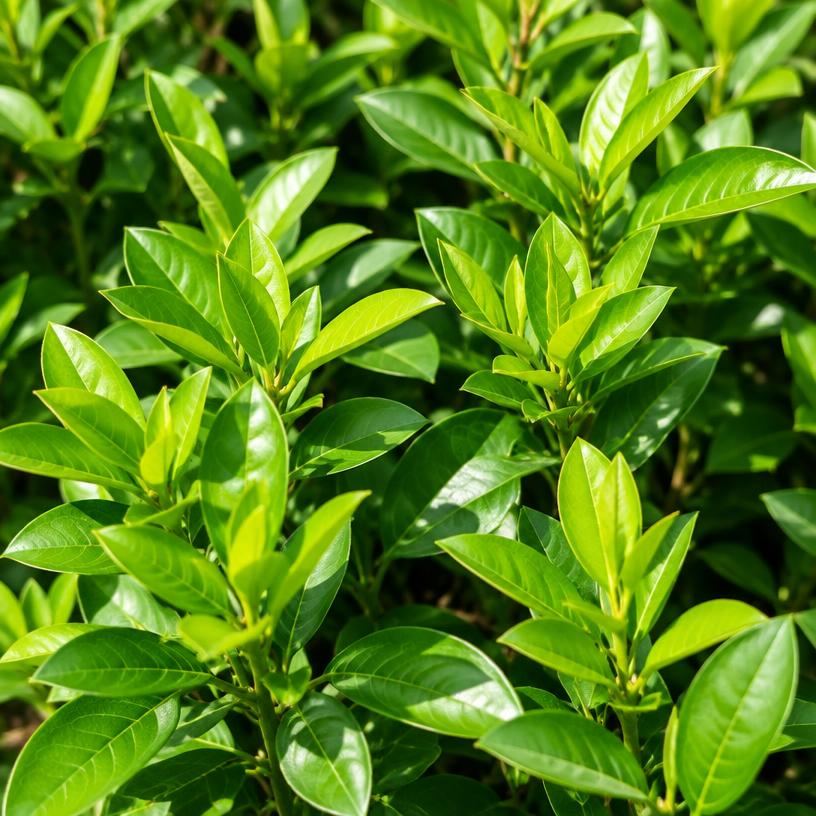
Late Spring
Peak activity for many insects
Summer
Monitor and respond
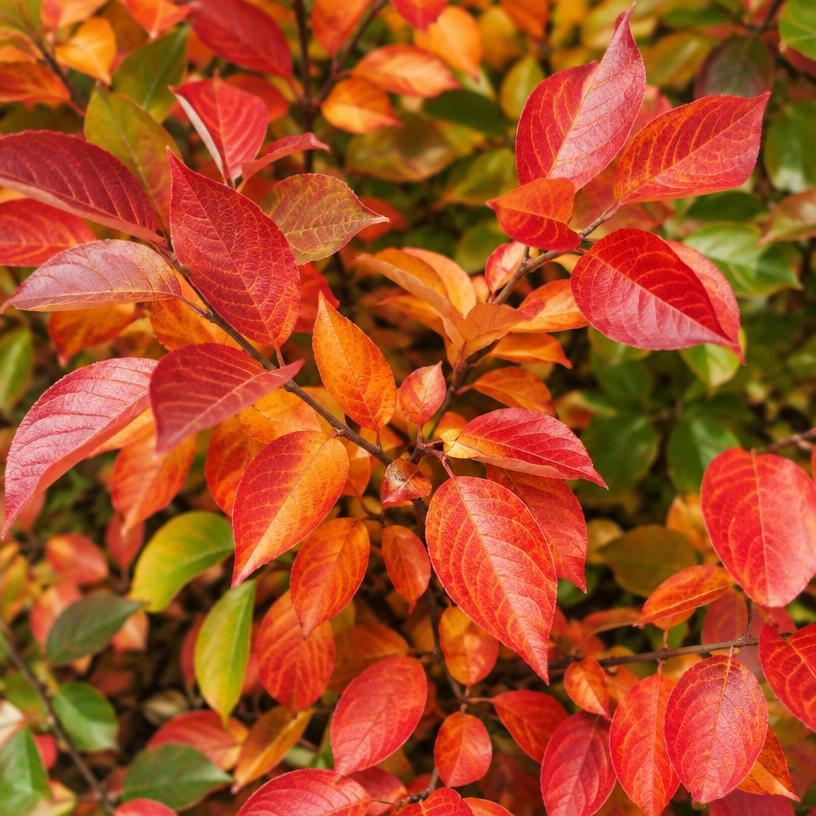
Fall
Prepare for winter and target overwintering pests
Beneficial Insects
Some Bugs Belong Here.
A healthy landscape includes beneficial insects like lady beetles, lacewings and pollinators. Our goal isn’t to create an insect-free property — it’s to keep the right balance for a healthy, resilient landscape.
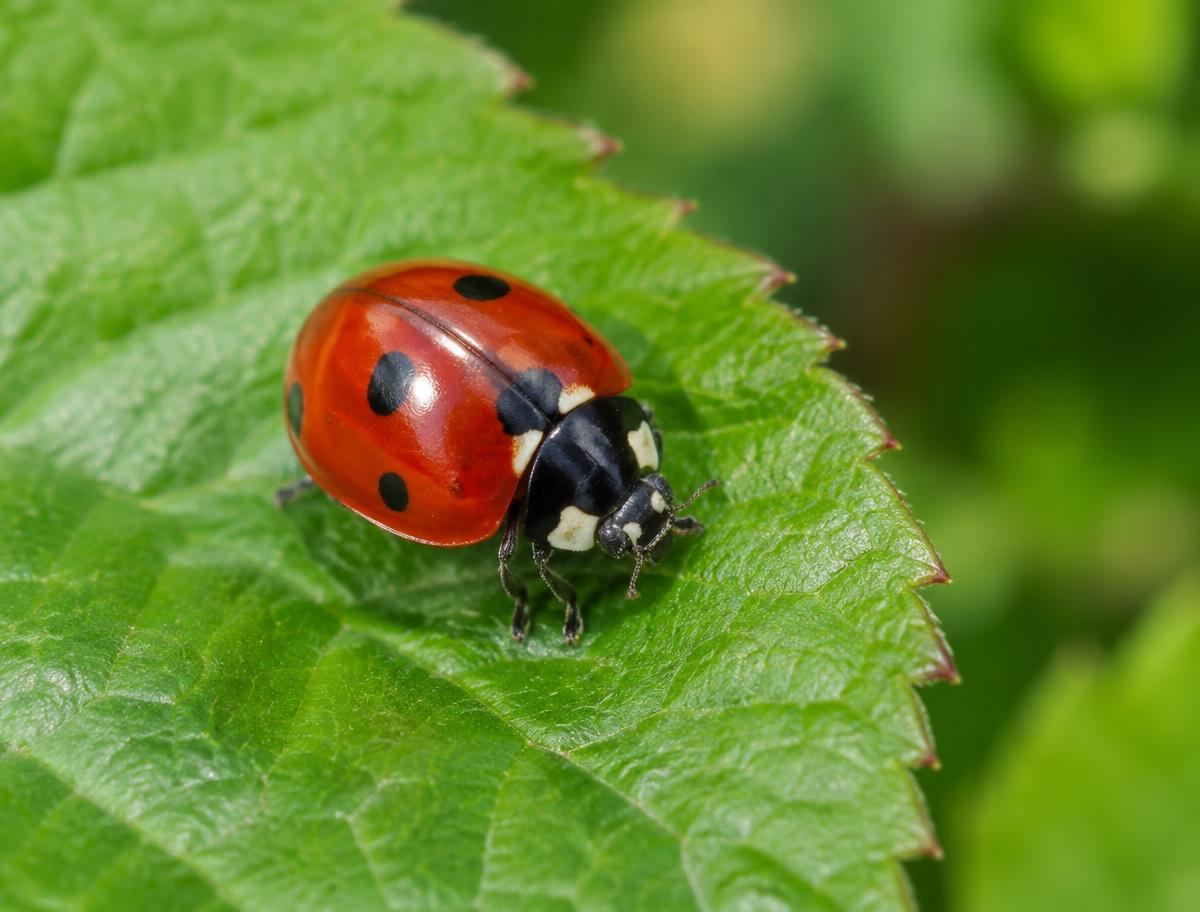
Good bugs. No problem.
Insect Protection Built Into Our Programs
Complete Care for Your Trees & Shrubs.
Our insect management is included in both of our tree and shrub programs, with different levels of attention depending on your landscape’s needs.
Arborist Program
6 seasonal visits with additional summer monitoring and treatment flexibility.
Learn More
Explore Our Tree & Shrub Programs
Frequently Asked Questions
Don’t Just Spray the Symptom.
Find Out What’s Actually Happening.
Send us photos or tell us what you’re seeing. We’ll help determine whether insects, disease, nutrition or environmental stress may be involved.
Ready For A Healthier Lawn?
Let's Take a Look at Your Property.
Enter your address to see your options and pricing, then enroll online yourself or talk with a Member Advisor.
- Fast & Easy
- No Obligation
- See Your Options