
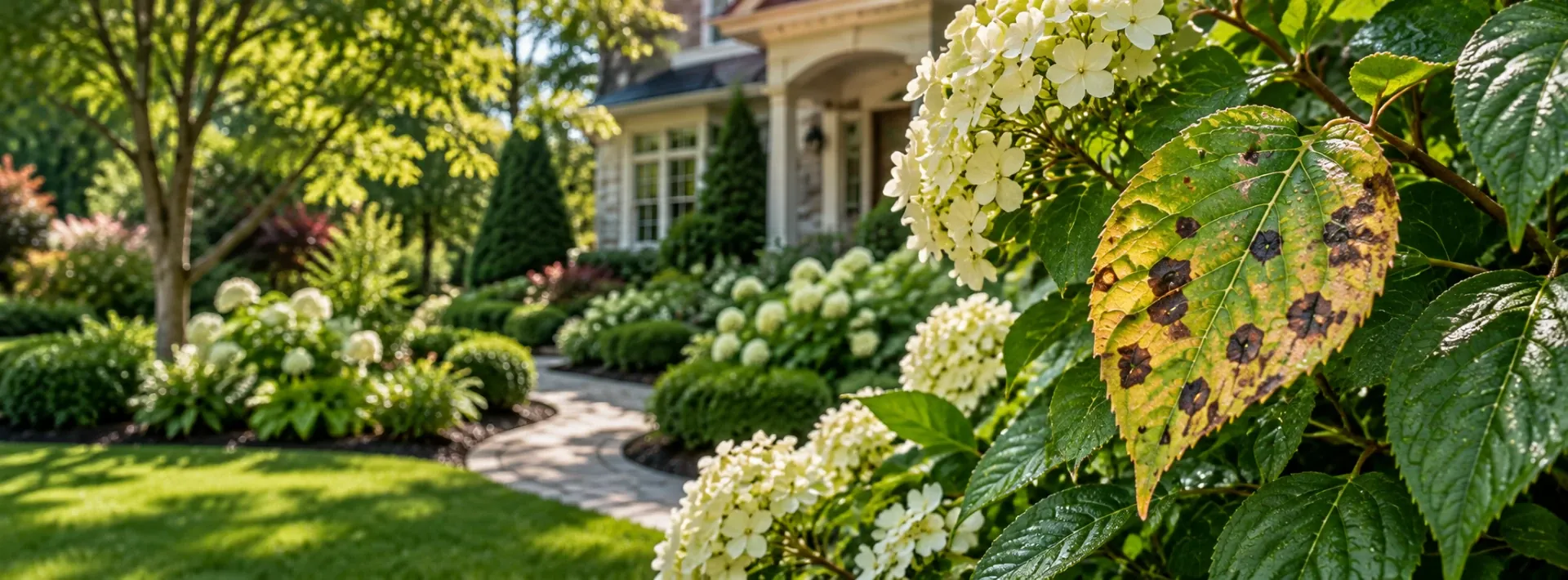
Tree & Shrub Disease Control
Spotted Leaves. Dying Branches. What’s Really Going On?
Browning, leaf spots and branch dieback can be signs of disease — but insects, drought, drainage, nutrition and environmental stress can create similar symptoms.
GreenStripe starts by identifying what’s happening before deciding whether disease treatment makes sense.
Diagnosis First
Identify the true cause.
Proper Timing
Treat when it can help.
Targeted Treatment
Only when necessary.
Healthier plants. More beautiful tomorrows.
What Are You Seeing?
Plant Disease Doesn’t Always Look the Same.
Different diseases can look very different. Here are some common signs to watch for in your trees and shrubs.
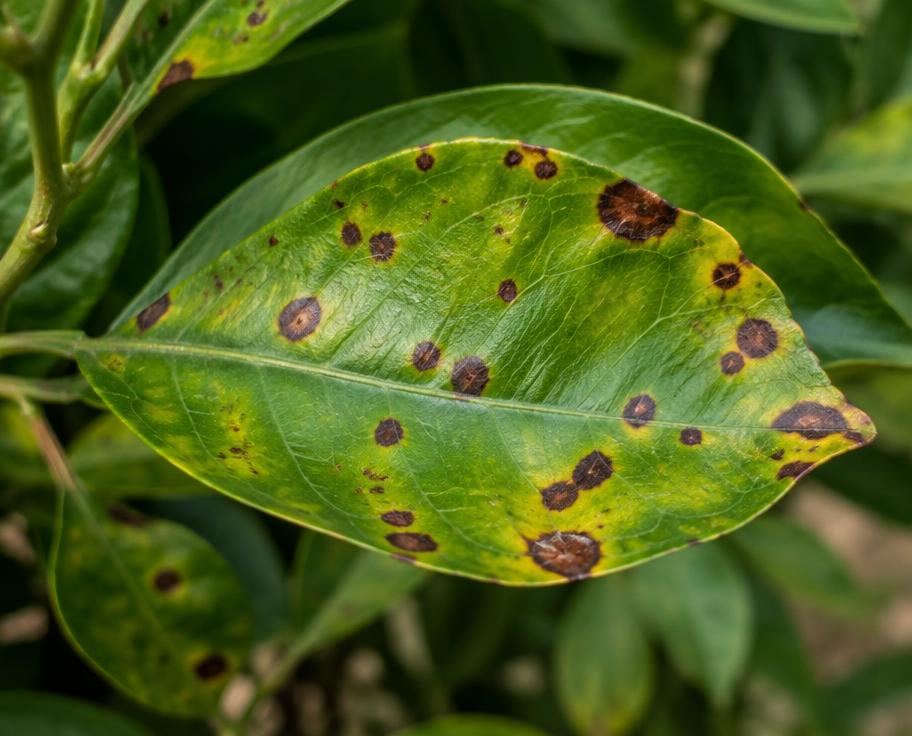
Leaf Spots & Blotches
Dark, tan or discolored lesions appearing across foliage.
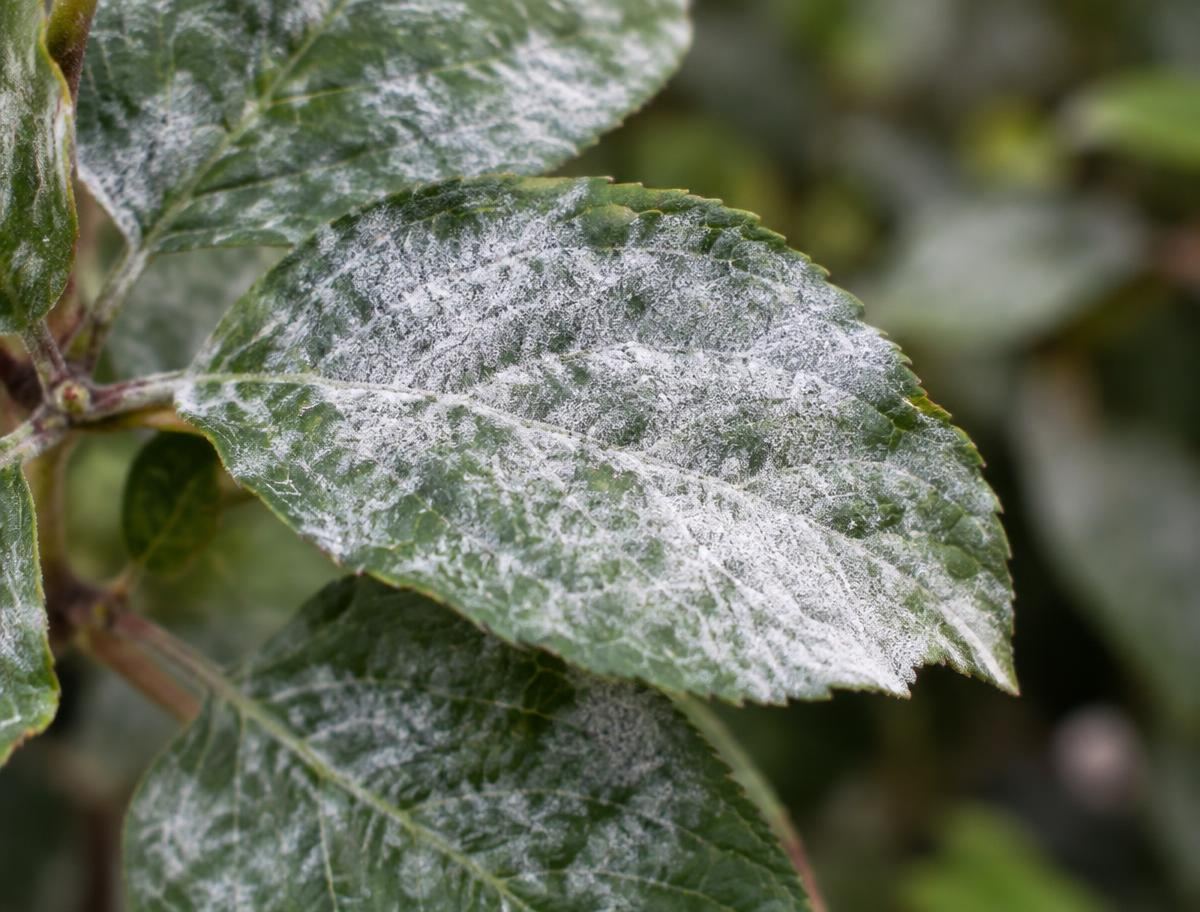
White Powdery Growth
A powder-like coating developing across leaf surfaces.
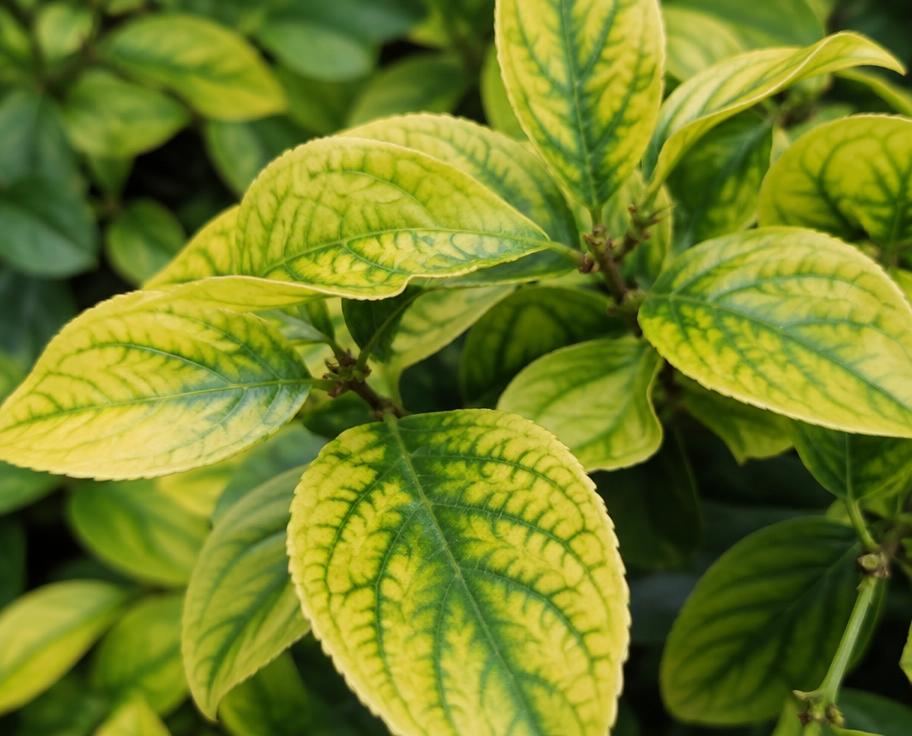
Yellowing or Discoloration
Can be associated with disease — but also nutrition, roots, moisture and other stresses.
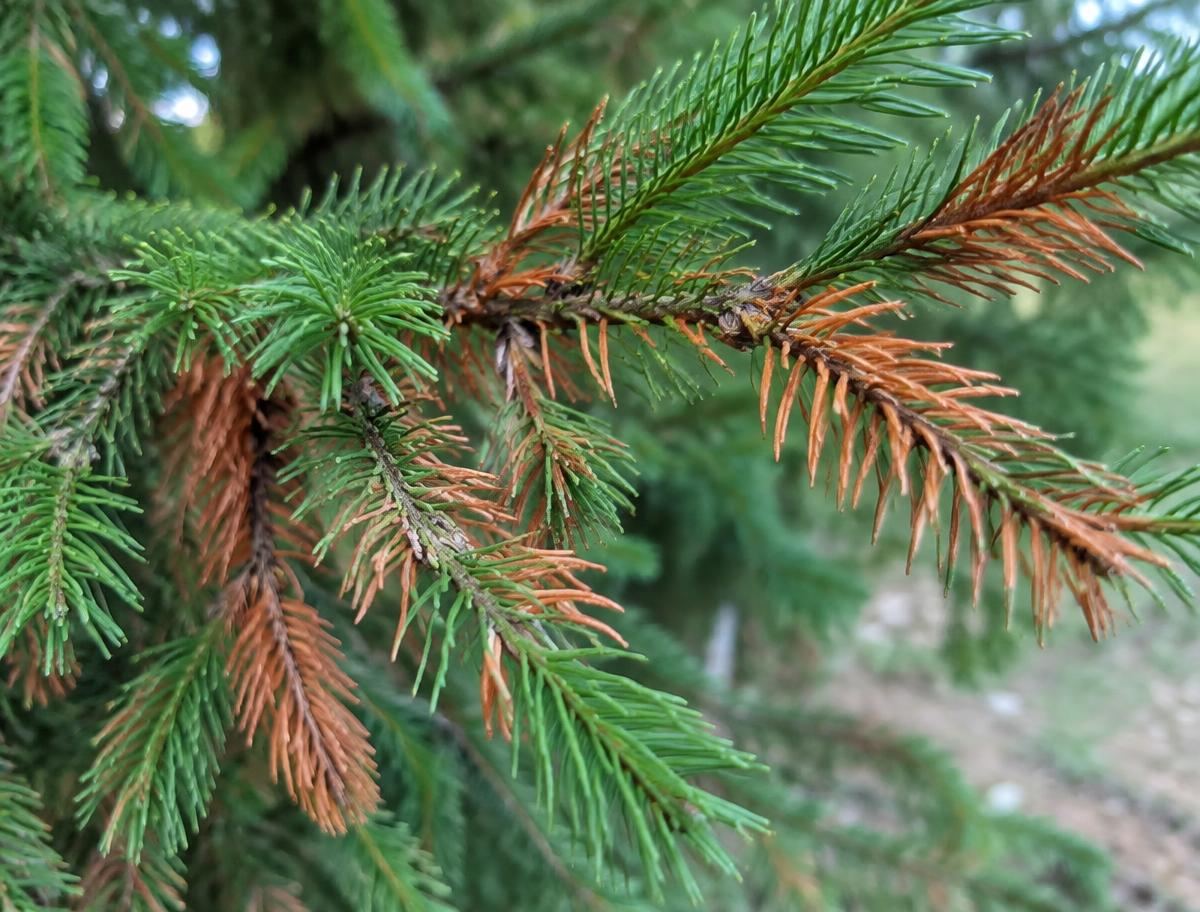
Browning Needles
Evergreen discoloration can have several possible causes and requires proper diagnosis.
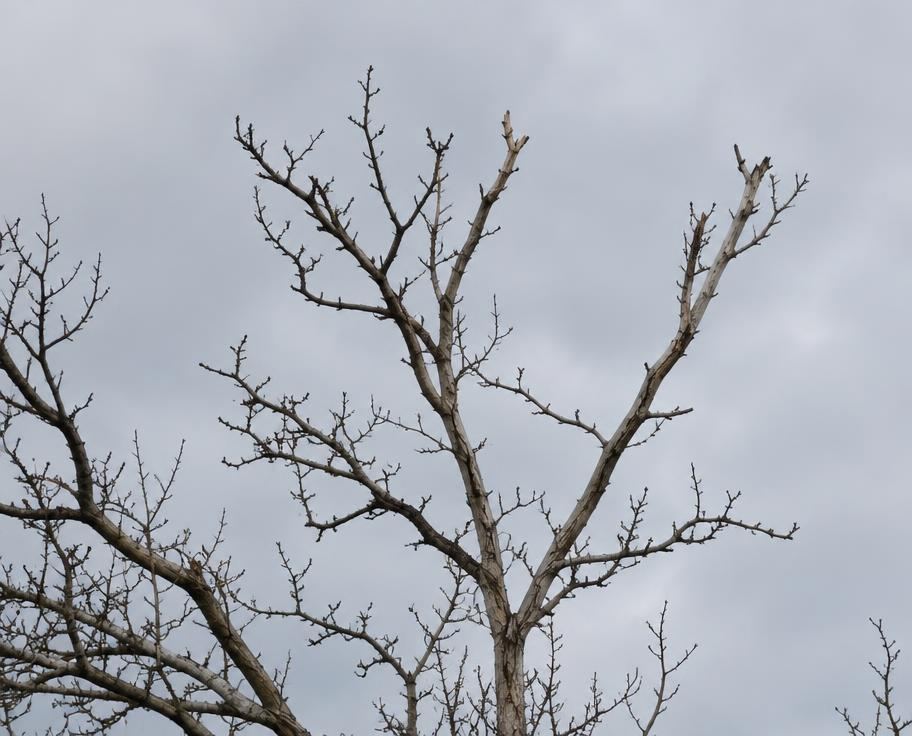
Branch Dieback
Individual branches declining while surrounding growth remains healthy.
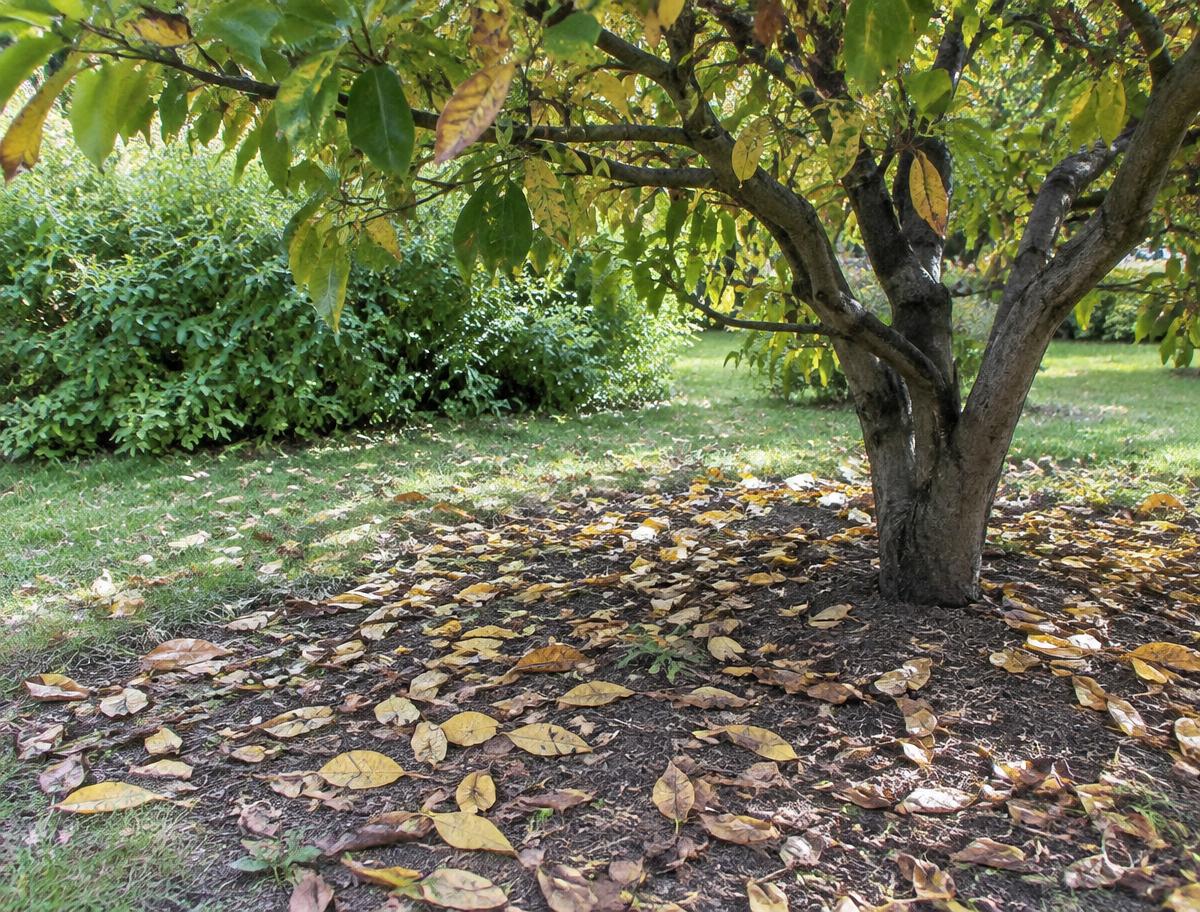
Premature Leaf Drop
Leaves dropping earlier than expected can indicate disease or environmental stress.
Disease Pressure in Northern New Jersey
Warmth + Moisture + Susceptible Plants.
Many plant diseases become more active when the right conditions are present. Extended leaf wetness, humidity, rainfall, poor air movement and plant stress can all influence when certain diseases develop.
The Disease Triangle
Susceptible Plant
A plant capable of being affected.
Favorable Environment
Moisture, humidity and temperature.
Disease-Causing Organism
The pathogen itself must be present.
The right conditions can lead to the right disease. Let’s stay ahead of it.
Common Tree & Shrub Diseases We Monitor
Know the Signs. Protect the Plant.
These are some of the most common diseases we see in Northern New Jersey.
Powdery Mildew
White or gray powder-like growth on susceptible foliage.
Leaf Spot Diseases
A broad group of diseases that can cause spotting, discoloration and premature leaf drop.
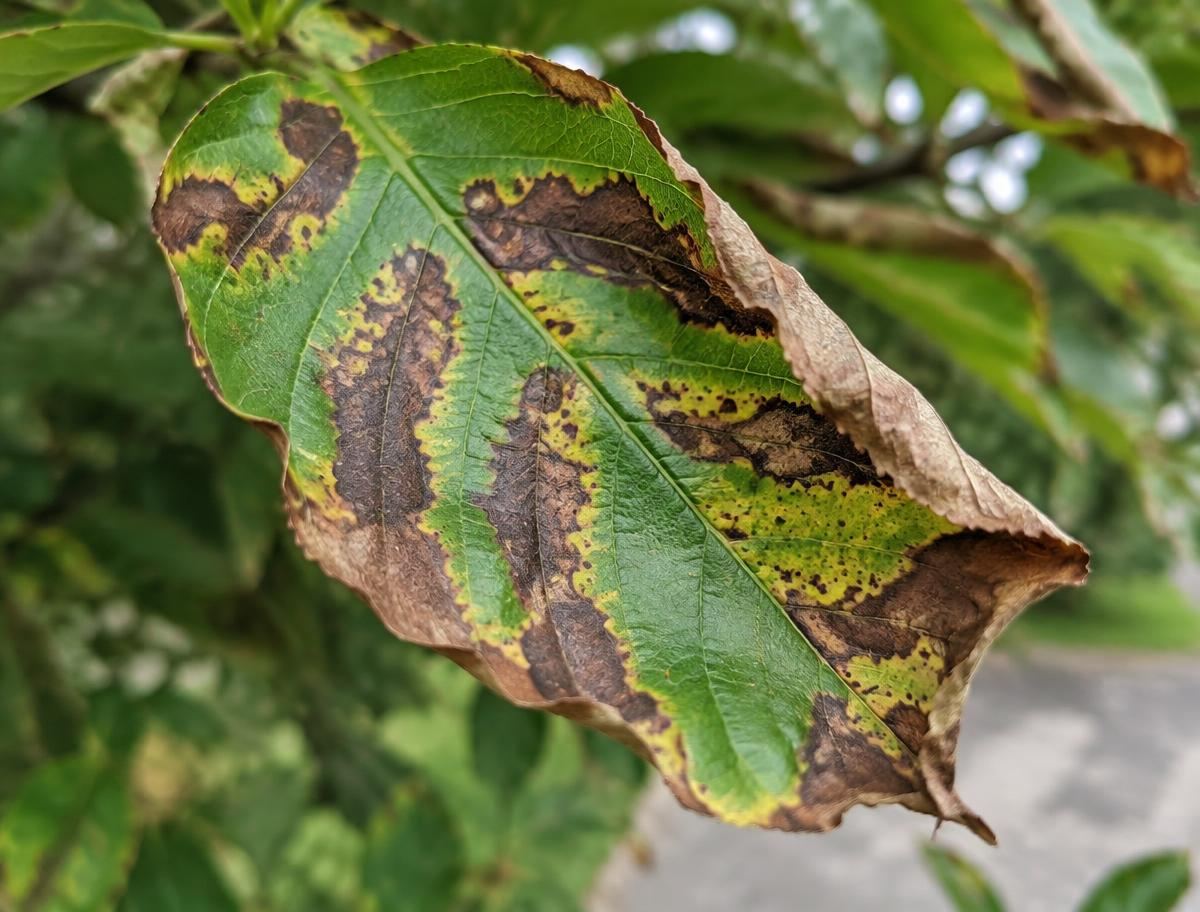
Anthracnose
Can affect foliage and shoots of certain deciduous trees and shrubs.
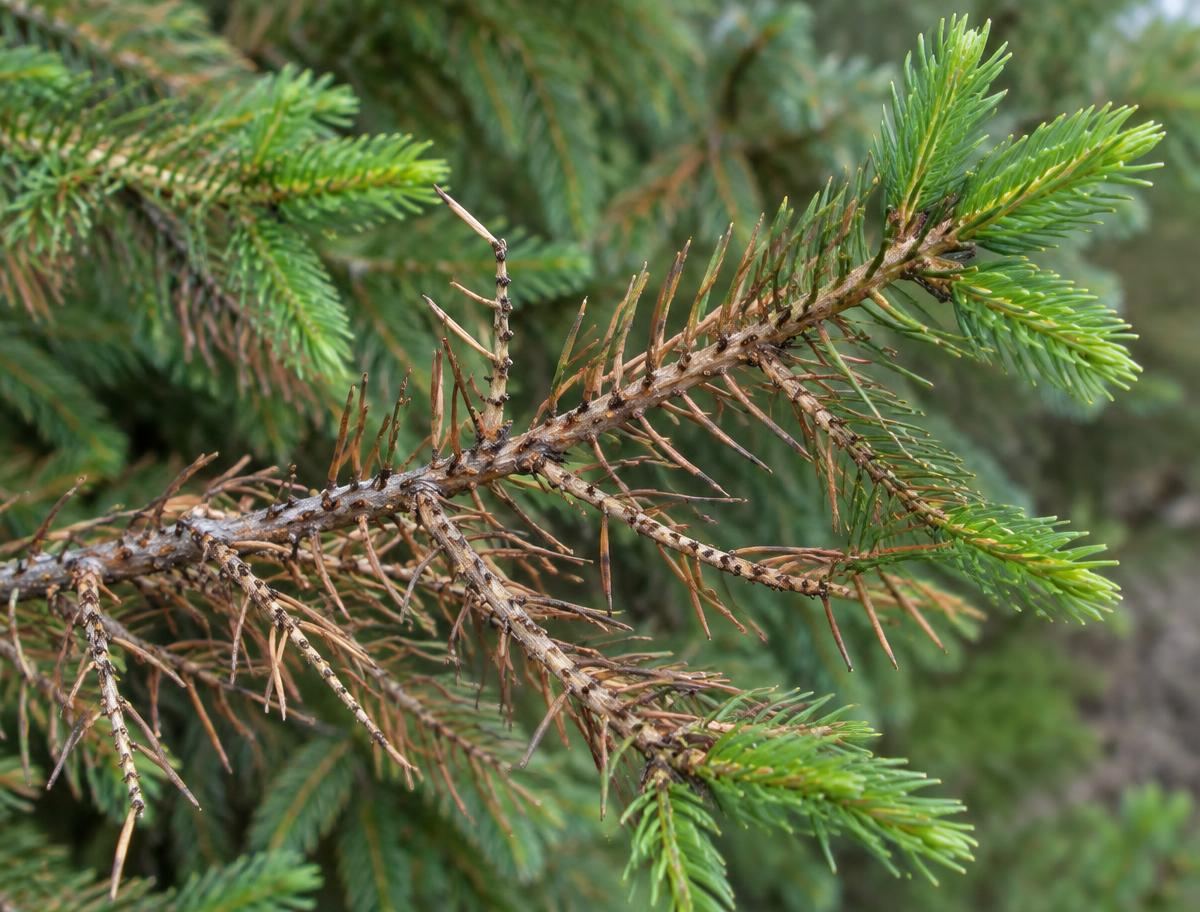
Needle Cast Diseases
Diseases affecting needles of susceptible conifers.
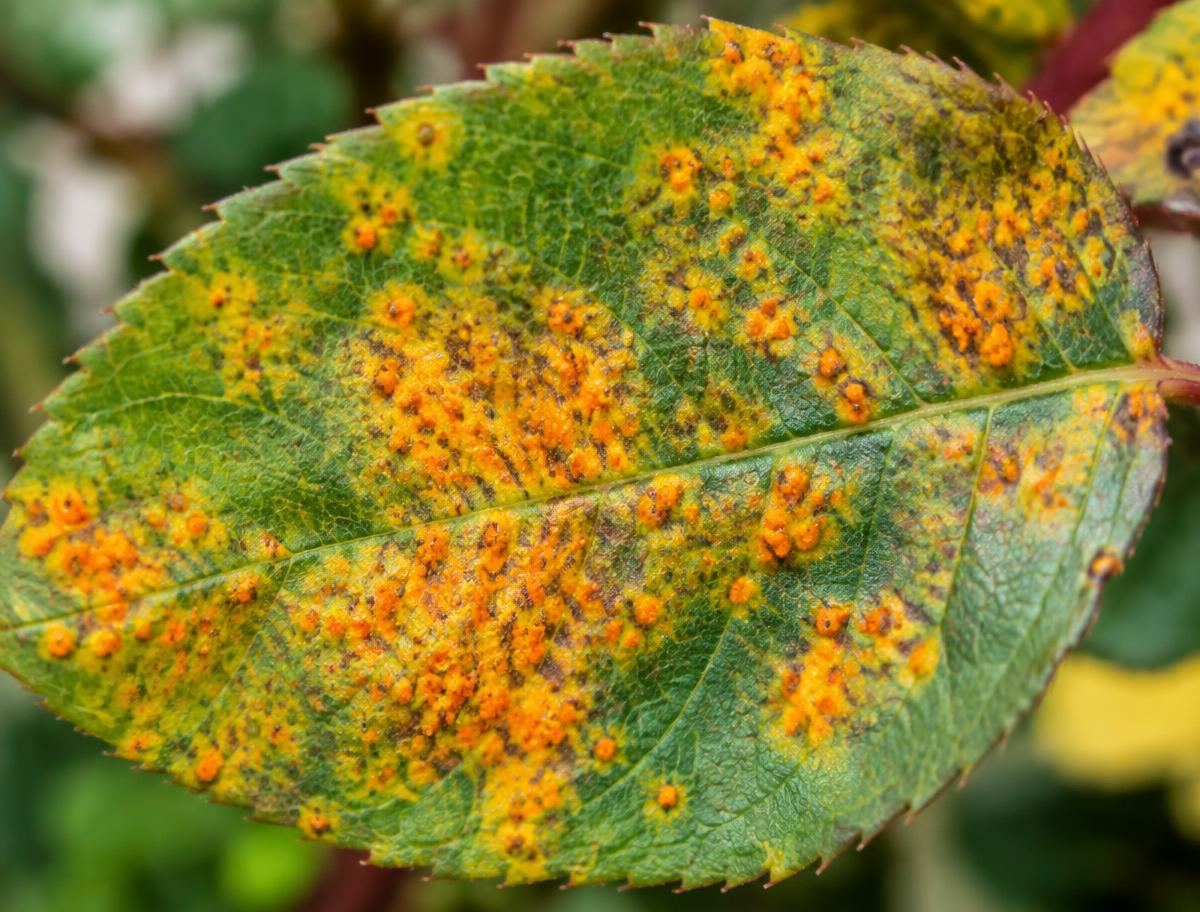
Rust Diseases
Often recognized by distinctive yellow, orange or rust-colored symptoms.
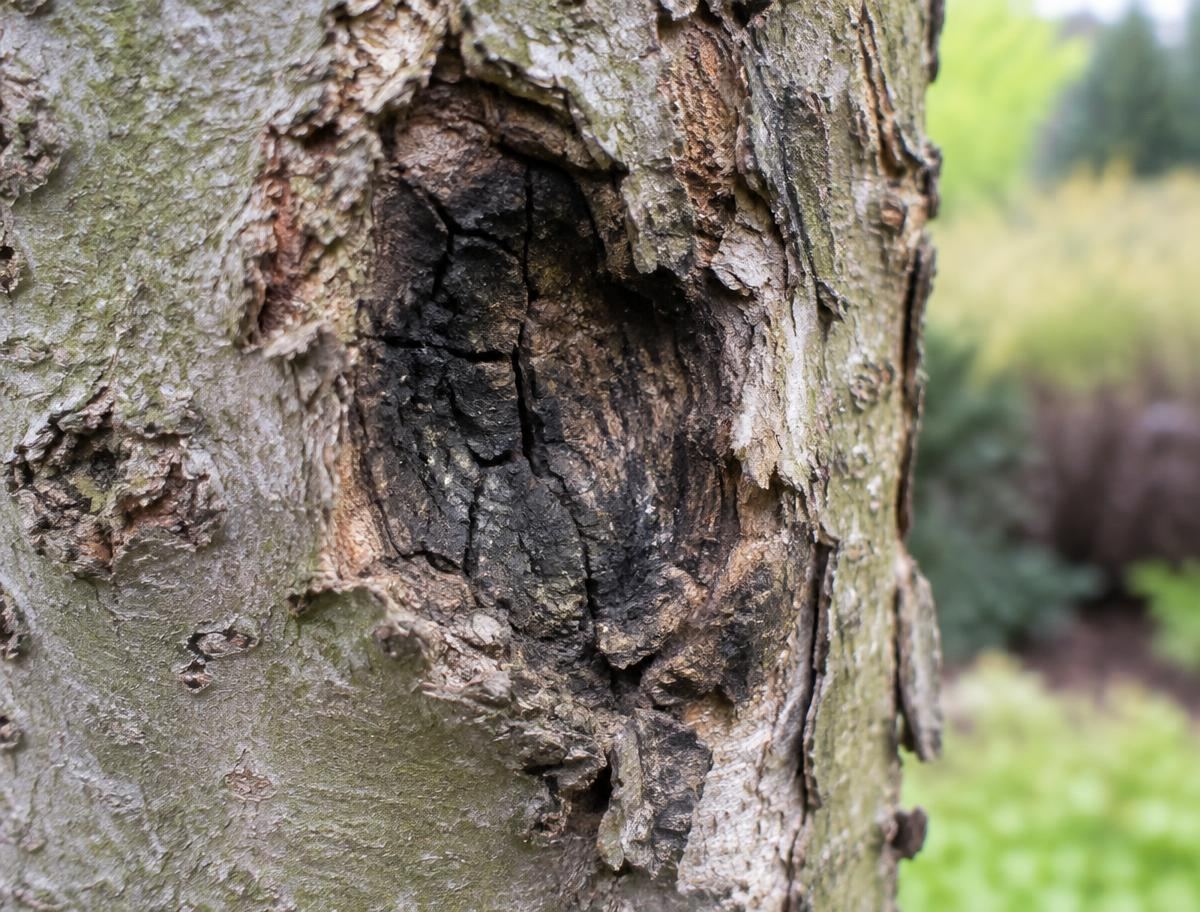
Canker & Dieback Problems
Damage to stems or branches that can lead to localized decline.
Our Approach
Fungicide Isn’t a Cure-All.
We take a thoughtful, step-by-step approach.
- 01
Diagnose
Is disease actually the problem?
- 02
Evaluate
Does the severity warrant treatment?
- 03
Time
Is the disease at a stage where treatment can help?
- 04
Treat & Manage
Combine appropriate treatment with plant-health and cultural recommendations.
Disease management works best when treatment and cultural practices work together.
Treatment Is Only Part of the Solution.
Targeted Disease Control
When appropriate, professional fungicides can be used to help protect susceptible plant tissue and manage certain disease pressures.
Cultural Management
- Improving airflow
- Adjusting irrigation practices
- Avoiding prolonged leaf wetness
- Removing heavily affected material
- Improving overall plant health
- Addressing drainage or environmental stress
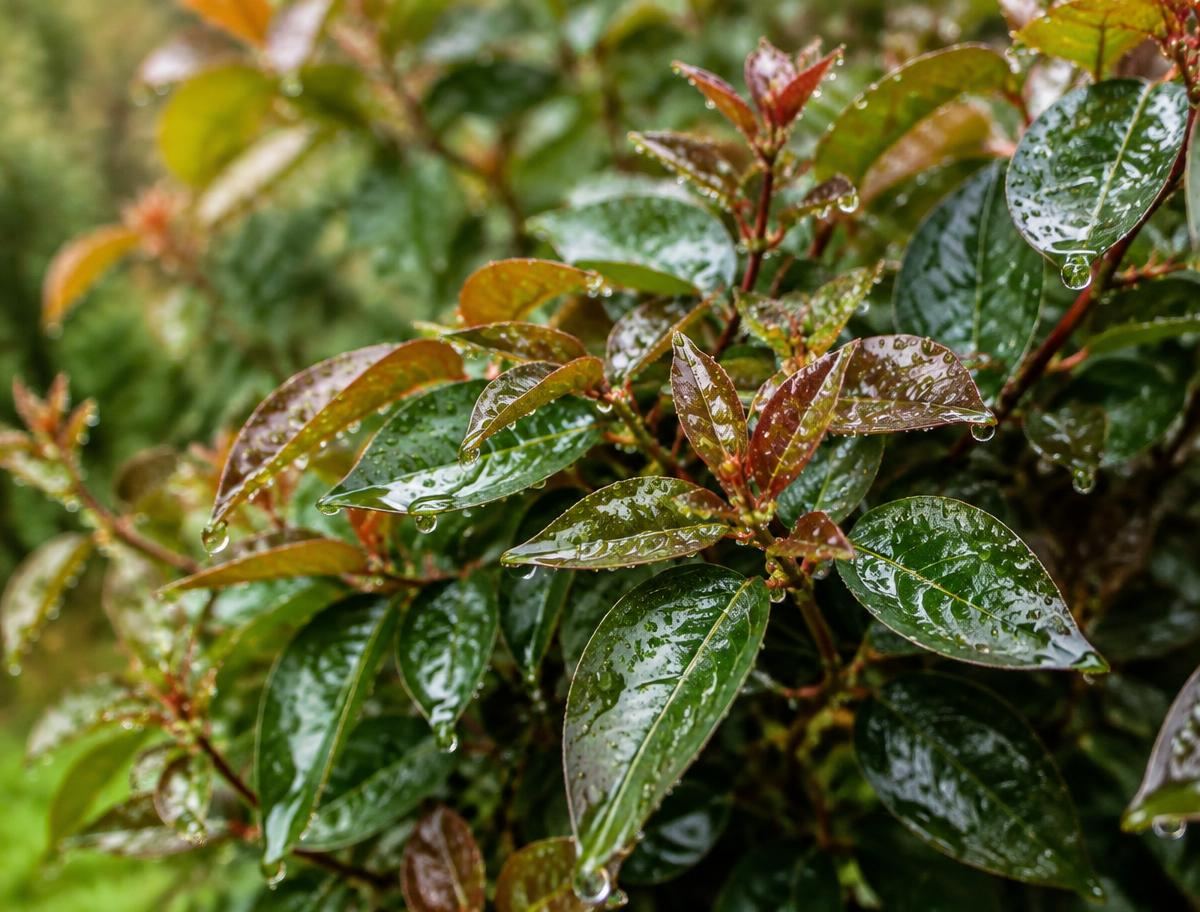
Sometimes the best disease treatment starts without a spray.
Prevention & Timing
Disease Control Often Starts Before the Damage Gets Bad.
By the time symptoms become obvious, infection may have occurred earlier. That’s why proper identification, history and seasonal timing matter.
Healthy Tissue
Favorable Conditions
Infection
Visible Symptoms
Disease Management Within Our Programs
Complete Care for Your Trees & Shrubs.
Disease monitoring is built into both of our tree and shrub programs, with different levels of attention depending on your landscape.
Basic Tree & Shrub Program
4 strategically timed spring and fall visits for proactive seasonal plant care.
Learn MoreArborist Tree & Shrub Program
6 seasonal visits with additional summer monitoring and greater flexibility to respond when disease pressure develops.
Learn More
Explore Our Tree & Shrub Programs
Frequently Asked Questions
Don’t Just Treat the Brown Leaves.
Find Out Why Your Plant Is Struggling.
Upload photos or tell us what you’re seeing. We’ll help determine whether disease, insects, nutrition or environmental stress may be contributing.
Ready For A Healthier Lawn?
Let's Take a Look at Your Property.
Enter your address to see your options and pricing, then enroll online yourself or talk with a Member Advisor.
- Fast & Easy
- No Obligation
- See Your Options