
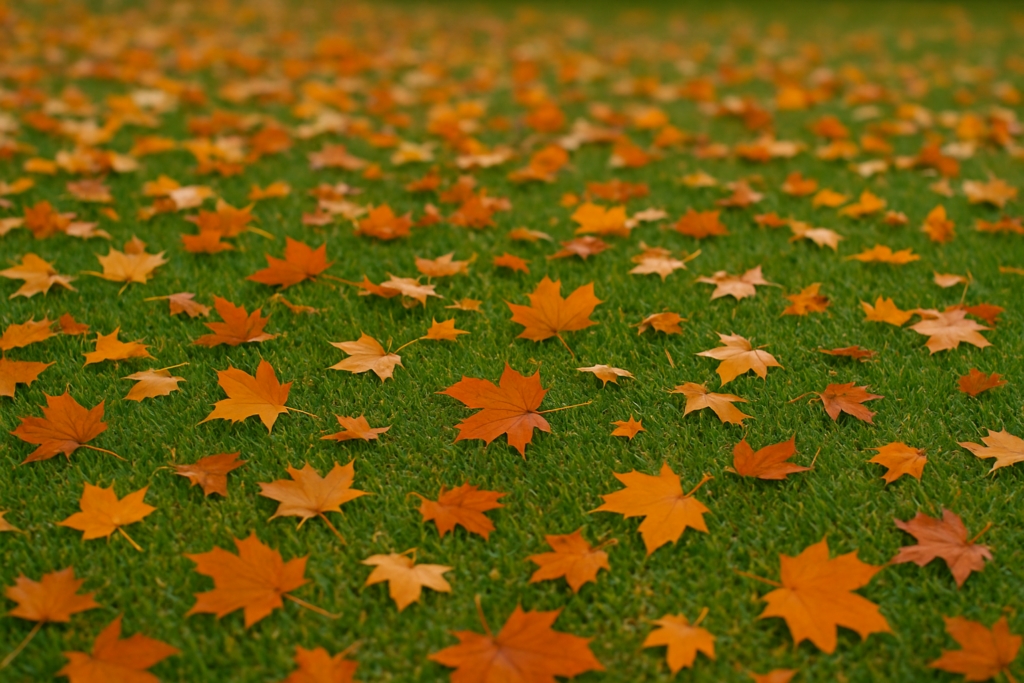
Fall is one of the most important seasons for lawn care. While summer stresses can leave grass compacted and thirsty, fall provides the perfect opportunity to repair, refresh, and prepare your lawn for next year. Aeration is a key part of this process—but only when it’s actually needed. Here’s everything you need to know about fall lawn aeration, from timing to technique.
What Is Lawn Aeration?
Aeration is the process of creating small holes in your lawn’s soil to reduce compaction and allow water, air, and nutrients to reach grass roots. There are two main types:
- Core Aeration: Removes plugs of soil and thatch, opening the ground for better absorption.
- Liquid Aeration: Uses soil conditioners that penetrate and break up compaction without physical plugs.
Both methods improve root development, promote stronger grass growth, and help lawns better withstand heat and drought.
Why Fall Is the Best Time to Aerate
For cool-season grasses common in New Jersey, fall is the optimal season for aeration. Here’s why:
- Soil Temperature: Still warm enough for seed germination.
- Cooler Weather: Grass grows more vigorously in cooler air.
- Reduced Weed Pressure: Fewer weeds compete with new grass.
- Preparation for Winter: Stronger roots head into dormancy healthier.
Aerating in fall sets your lawn up for success the following spring.

How to Know If Your Lawn Needs Aeration
Not every lawn needs aeration every year. Use these tests to determine if it’s time:
- Screwdriver Test: Push a screwdriver into the soil. If it easily penetrates 6 inches, compaction is likely not the issue.
- Pooling Water: If water sits on the surface after rainfall, your soil may be compacted.
- Thin or Patchy Grass: Compaction prevents roots from spreading and accessing nutrients.
If your lawn passes the screwdriver test or shows no signs of compaction, you may not need core aeration. In these cases, liquid aeration or overseeding may be better options.
Common Mistakes When Aerating
- Aerating Healthy Soil: If the soil isn’t compacted, aeration won’t add value.
- Wrong Timing: Aerating too late in fall won’t give grass time to recover before winter.
- Skipping Overseeding and Fertilization: Aeration is most effective when combined with these practices.
Seeding and Fertilizing After Aeration
Aeration creates the perfect conditions for overseeding and fertilizing:
- Overseeding: Holes made during aeration allow seeds to contact soil directly, improving germination.
- Fertilizing: Nutrients reach root zones more efficiently after aeration.
This one-two punch is why fall is considered the best time to establish thick, healthy turf.
Learn more about fall overseeding and fertilization in our dedicated guide.
When Aeration Doesn’t Work
Sometimes the issue isn’t compaction at all. Hydrophobic soils—where water can’t penetrate due to dryness or thatch buildup—won’t benefit much from traditional aeration. In those cases, soil amendments or liquid aeration may be more effective.
Read our guide on when aeration doesn’t work to learn about alternatives.
Next Steps
Aeration, when done at the right time, can transform the health of your lawn. But it’s not always necessary. Use the screwdriver test, monitor for compaction, and pair aeration with seeding and fertilization in fall for the best results.
Want expert guidance?
Frequently Asked Questions
Do all lawns need aeration every fall?
No, only lawns showing signs of compaction or poor growth truly benefit.
What’s better: core or liquid aeration?
Core aeration is effective for heavily compacted lawns, while liquid aeration is an easier option for improving soil health without plugs.
How deep should aeration holes go?
Core aerators typically penetrate 2–4 inches into the soil.
Can I aerate in the spring instead?
Spring is possible, but fall is better for cool-season grasses due to lower weed competition and better root development conditions.
Should I fertilize before or after aeration?
Fertilize immediately after aeration so nutrients can soak into the loosened soil.